Jewelry Sample Policy for Stainless Steel OEM/ODM Projects
A production-focused sampling framework for global brands evaluating stainless steel jewelry development, approval, quality, and readiness for repeatable bulk manufacturing.
Select the right sample route for stock evaluation, custom development, finish approval, functional review, packaging, or pre-production sign-off.
Understand what affects sample cost, tooling, lead time, revision scope, testing, and international delivery before development begins.
Review materials, dimensions, PVD color, surface finish, logo execution, assembly, packaging, and applicable quality requirements before approving production.
Establish a documented reference that Chicolink can use for first-piece confirmation, process inspection, final inspection, repeat orders, batch traceability, and controlled product changes after approval.
- Existing Samples: 3-7 Working Days
- Custom Samples: 25-30 Working Days
- OEM and ODM Development
- Documented Sample Approval
- Sample-to-Bulk Control
- Third-Party Inspection Support
Who Should Use This Jewelry Sample Policy
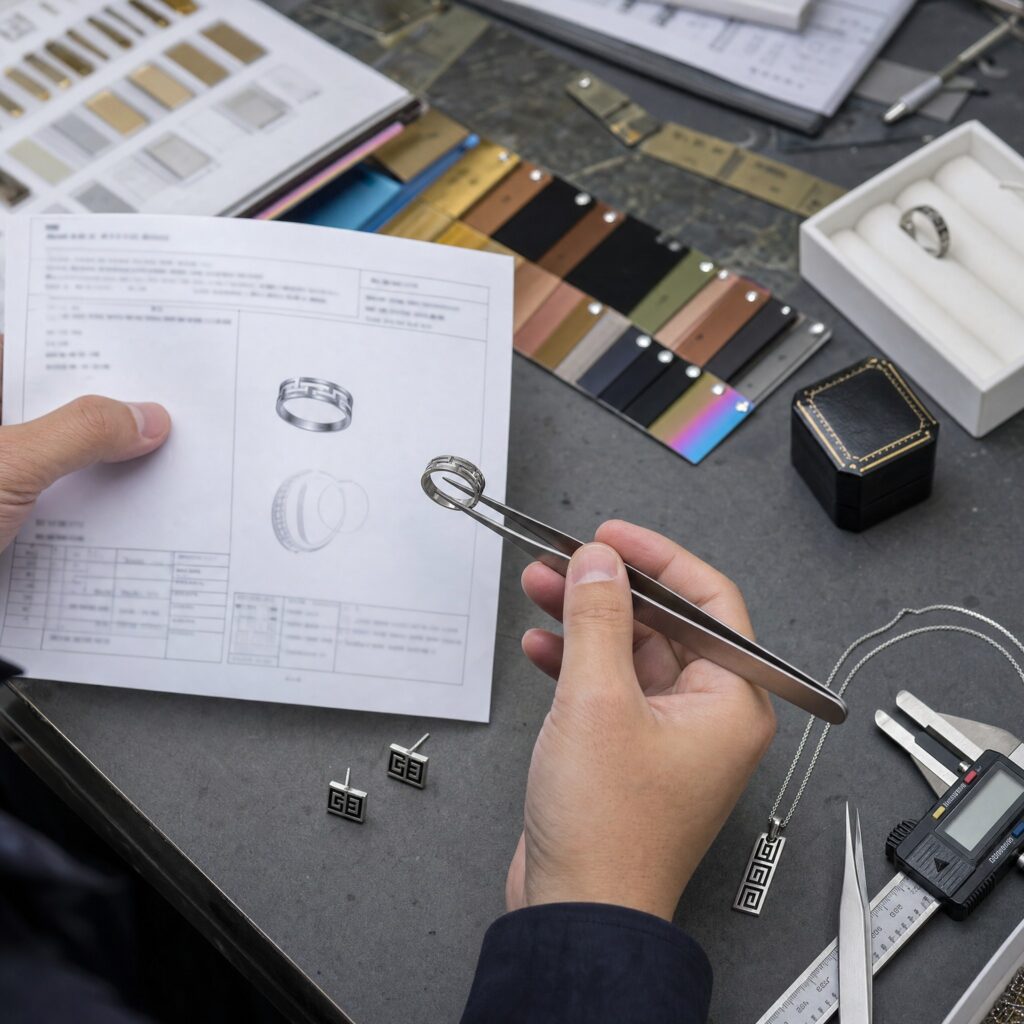
This policy is designed for professional buyers who need evidence before committing to stainless steel jewelry production. Each buyer type can use sampling to confirm a different combination of product performance, brand presentation, commercial feasibility, compliance planning, and repeat-order control. It also helps cross-functional teams approve one shared production reference.
Global Jewelry Brands
Use the sample process to align technical specifications, approved finishes, packaging versions, testing expectations, and production records across design, sourcing, quality, and merchandising teams. A documented approval reference reduces ambiguity when multiple stakeholders review the same collection before bulk authorization.
Product Development Teams
Validate structure, dimensions, weight, comfort, stone setting, clasp performance, polishing access, PVD feasibility, and manufacturability before committing to tooling or bulk production. Chicolink records open issues and approval decisions so development changes remain connected to the correct drawing and BOM version.
Procurement Managers
Compare sample scope, quoted costs, tooling requirements, lead-time drivers, production MOQ, quality checkpoints, and delivery assumptions before supplier approval. The policy helps procurement teams distinguish an initial response or feasibility review from a final quotation based on complete engineering and commercial inputs.
Chain Store Buyers
Review product consistency together with SKU labels, barcode placement, jewelry cards, gift boxes, assortment ratios, and inspection requirements. Sampling creates a shared standard for stores, distribution centers, third-party inspectors, and replenishment orders where presentation errors can be as costly as product defects.
DTC and Ecommerce Brands
Confirm product appearance, content-ready details, unit packaging, unboxing presentation, FBA-related labeling inputs, and variation control before launch. Sampling also helps identify potential sources of returns, including sizing ambiguity, uncomfortable edges, weak components, color mismatch, tangled chains, or unsuitable packaging protection.
Wholesalers and Distributors
Evaluate commercially practical materials, product weight, finish consistency, packaging levels, assortment options, and replenishment controls before scaling across territories and market channels. An approved reference supports clearer communication when the same style returns in different colors, sizes, quantities, or packaging versions.
Sampling Risks We Control Before Production
A sample is useful only when it answers the right production questions. Chicolink structures sampling around four common sourcing risks: incomplete specifications, uncontrolled revisions, finish inconsistency, and a gap between the approved sample and the bulk-production standard. Each risk is addressed through documented inputs, engineering review, approval records, and defined quality checkpoints. The objective is to expose uncertainty before tooling or production, assign each open issue to a decision, and preserve the approved outcome for later inspection and replenishment.

Incomplete Sample Brief
A reference image alone may not define material grade, thickness, weight, chain construction, clasp, stone, logo, finish, packaging, target market, or testing needs. Chicolink identifies missing information before development and lists items that require buyer confirmation. Engineering assumptions are not silently converted into production specifications. This reduces inaccurate quotations, avoidable remakes, and approval delays before physical development and internal approval begin.
Uncontrolled Revisions
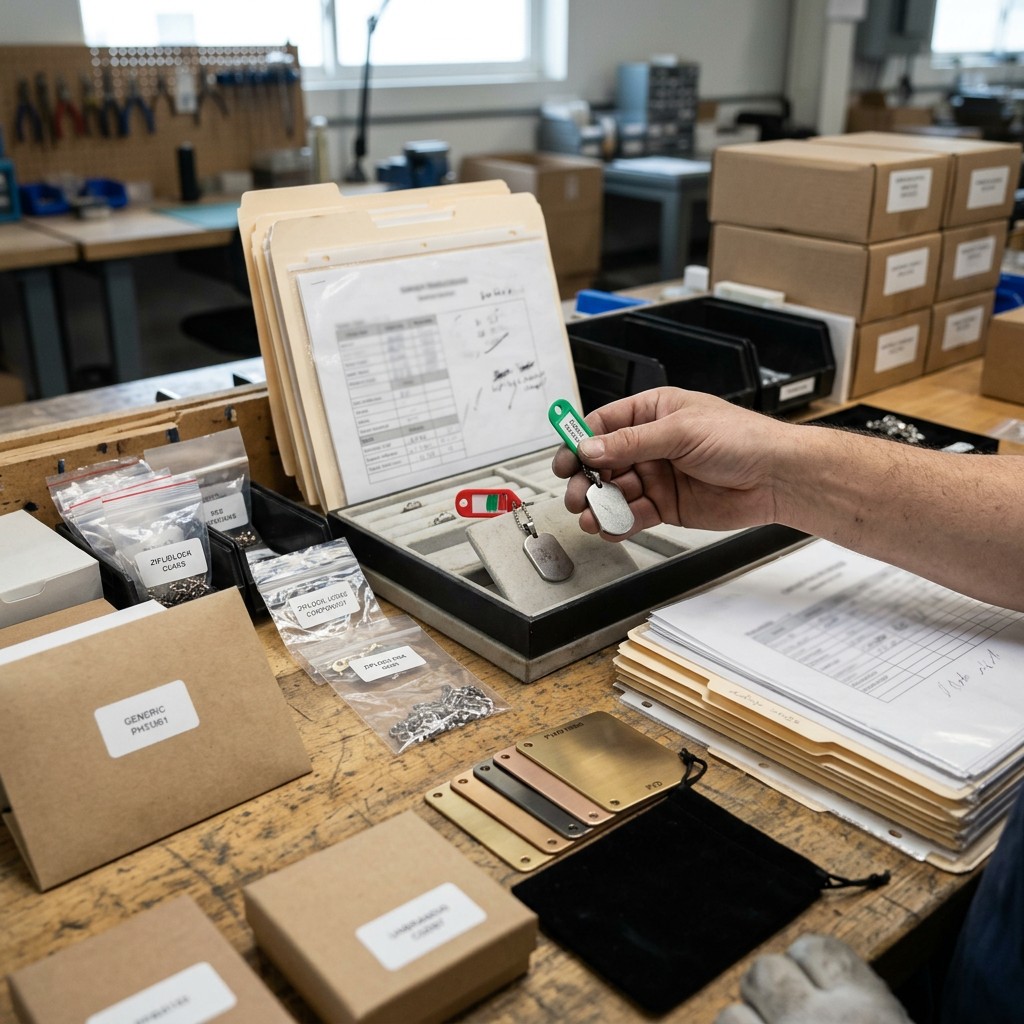
Verbal comments and unmarked photos can create conflicting instructions across drawings, BOMs, color references, logos, and packaging files. Chicolink links revision feedback to the relevant project, SKU, sample, and file version. Changed dimensions, materials, processes, or packaging may require a new feasibility, cost, and lead-time review before a revised sample is produced. This keeps each approval decision identifiable and auditable.
Finish and Color Drift
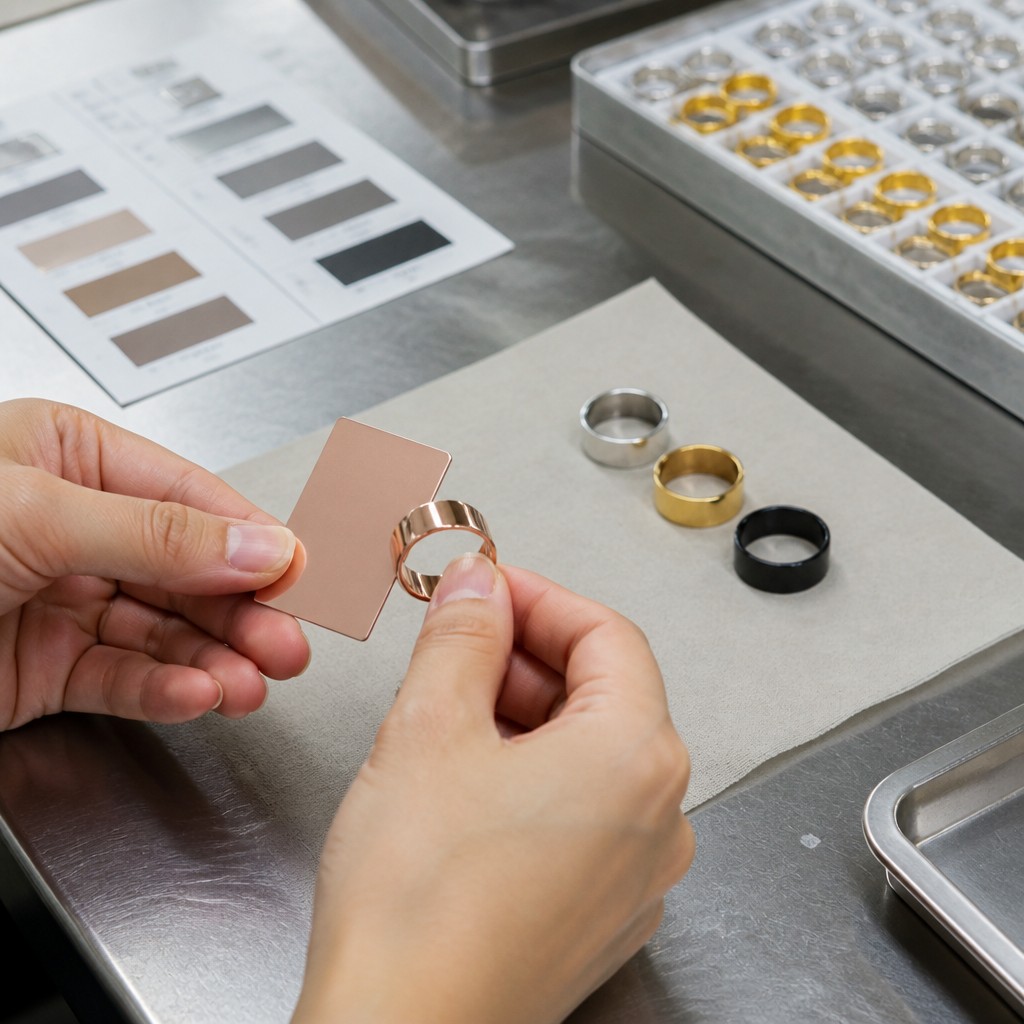
Gold tone, rose gold, black, brushed texture, mirror polish, engraving depth, and other visual details can drift when teams compare uncontrolled photographs or verbal descriptions. Chicolink establishes a defined physical or measurable reference, identifies the relevant surface areas, records the acceptance method, and separates visual approval from performance testing. This gives later color and finish decisions one controlled comparison basis.
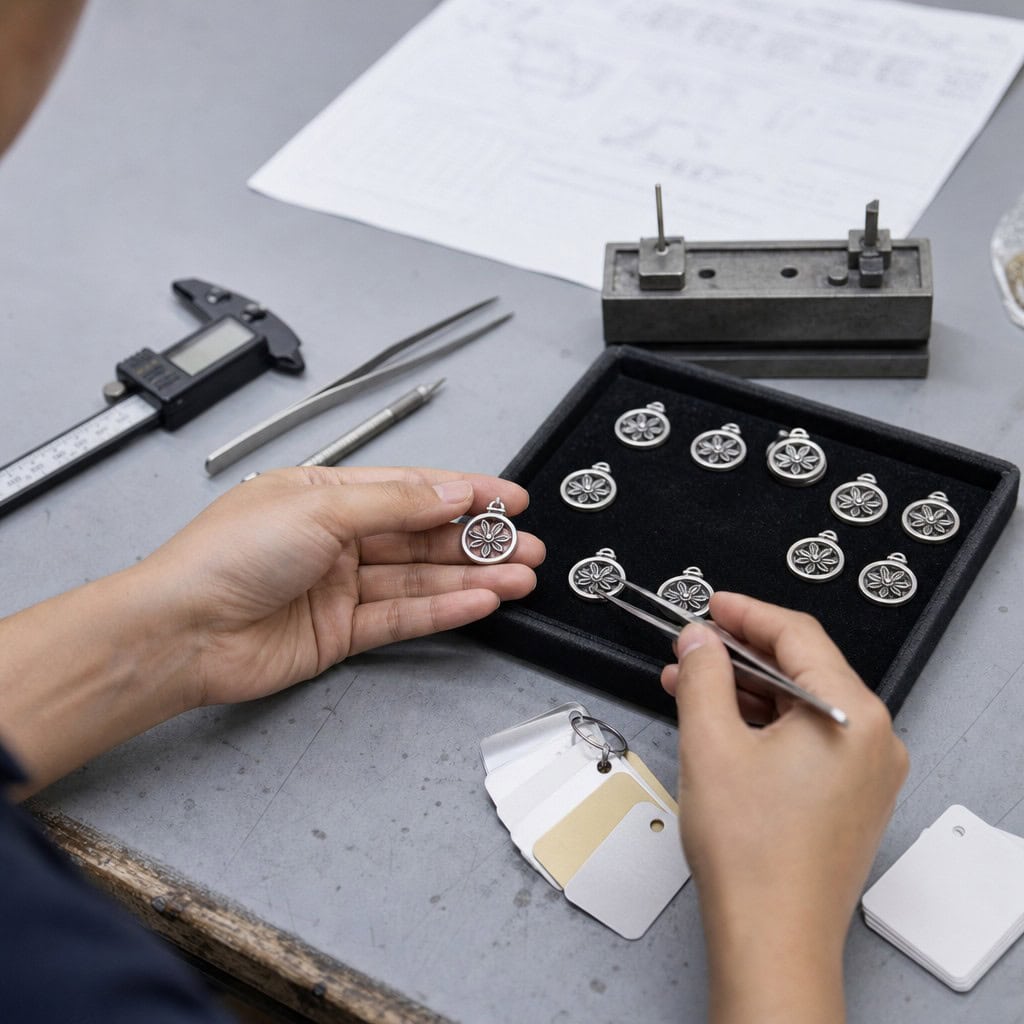
Sample-to-Bulk Mismatch
A visually attractive prototype creates risk when it cannot be translated into measurable production requirements. Chicolink identifies the sample features that must become specifications, process controls, accepted deviations, and release criteria before scaling. The buyer can then judge whether the result is commercially repeatable, not merely attractive as one handcrafted piece, and whether later replenishment should require renewed approval under the same documented conditions.
Factory Resources Behind Sample-to-Bulk Delivery
Chicolink combines engineering, manufacturing, production planning, staged quality control, packaging, and export coordination in one sample-to-bulk operating system. The figures below connect factory scale with the equipment, process ownership, and inspection resources used to reproduce approved stainless steel jewelry for scheduled production and repeat orders.
Stainless Steel Jewelry Manufacturing
- Development ownership: R&D and engineering review design intent, manufacturability, sample routes, process risks, and validation requirements before tooling or production release.
- Manufacturing continuity: Since 2012, Chicolink has converted approved stainless steel jewelry samples into documented specifications, controlled process routes, scheduled production, inspection, and repeat-order references.
Dongguan Production Facility
- Machining and forming: 5 CNC machines, 4 casting machines, 6 stamping machines, 4 bending machines, 7 drilling machines, and 3 lathes.
- Laser processing: 3 laser cutting machines, 5 laser welding machines, and 3 laser logo machines.
- Finishing and coating: 8 polishing machines, 4 wax injection machines, and 6 PVD vacuum coating systems.
- Total equipment: 58 units across the 12 equipment categories listed above.
Cross-Functional Team Members
- Planning and supply: PMC manages materials, routing, capacity, and schedules, while purchasing controls stainless steel, components, packaging, and qualified outside suppliers for each project.
- Quality ownership: IQC, IPQC, FQC, PVD process inspection, and pre-packing checks create staged evidence from incoming materials through shipment release.
Monthly Production Capacity
- Scalable routing: Casting, machining, stamping, cutting, welding, polishing, stone work, assembly, Logo execution, inspection, and packaging are scheduled by approved process route.
- Plating control: Chicolink performs PVD/IP coating on its own factory equipment, controlling approved color samples, coating structure, target thickness, production quantities, inspection results, exception handling, and batch traceability.
Jewelry Sample Policy at a Glance
Chicolink treats sampling as controlled development, not an isolated sales exercise. The route depends on whether the buyer needs an existing style, new structure, finish reference, functional check, packaging sample, or production benchmark. Costs, timing, deliverables, and approval authority are confirmed by project. Evaluation, engineering review, physical verification, revision, and production release remain separate decisions with an identifiable reference and owner.
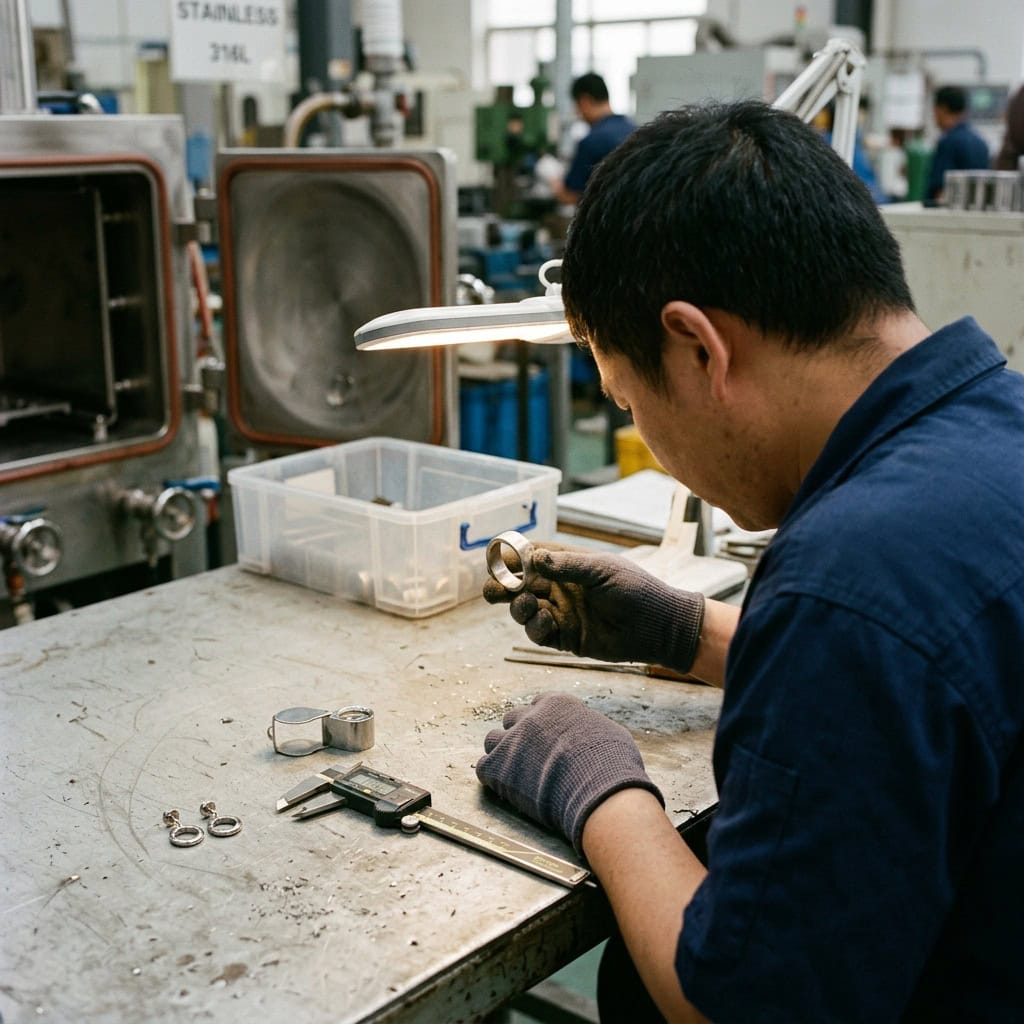
Define the Sample Purpose Before Quotation Begins
The first decision is what the sample must prove. An existing-style sample can support workmanship, weight, finish, or supplier evaluation. A custom sample may verify dimensions, structure, comfort, materials, stones, Logo, packaging, and manufacturability. An approved production sample instead establishes the reference for first-piece and bulk checks.
Before quotation, Chicolink reviews the available product files, material, dimensions, components, finish, branding, packaging, quantity, market, tests, and requested timing. Missing inputs are listed rather than converted into assumptions. The buyer should identify the approval team, launch stage, and whether the sample supports supplier screening, engineering validation, merchandising, compliance planning, or production release. This definition determines the required work, evidence, cost, and decision.
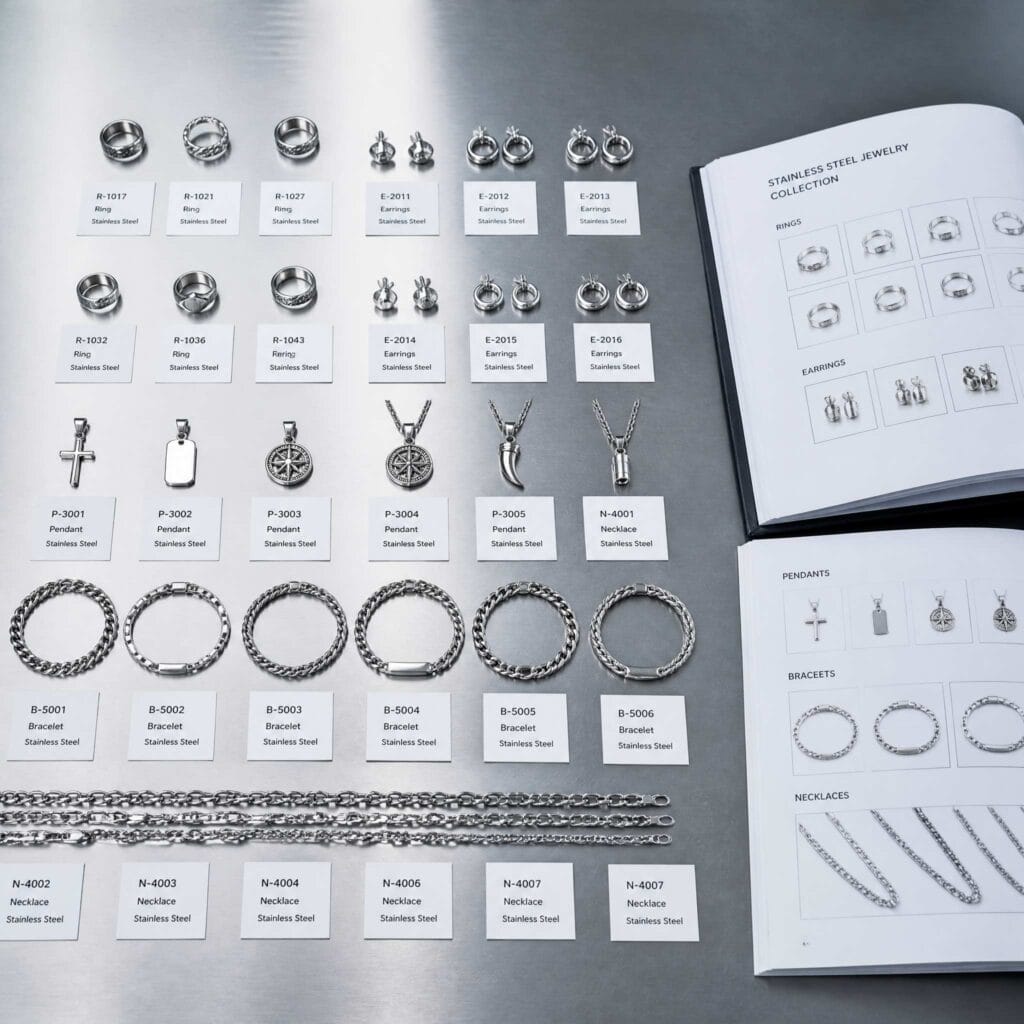
Use Decision Gates Instead of One Unqualified Approval
Sampling uses separate decision gates. Chicolink's initial response confirms receipt, missing inputs, or review status; it is not a final quotation. The buyer can then approve the sample route and commercial scope, applicable drawings, the physical result, and finally the production-release condition. Each gate approves a different deliverable.
Payment does not approve a design. CAD approval does not approve final weight, finish, assembly, or packaging, and appearance acceptance does not automatically authorize production. Chicolink identifies the decision owner and evidence required at each gate so procurement, design, quality, merchandising, and finance participate when relevant. A scope change reopens the affected feasibility, cost, timing, or quality decision. Detailed fees and lead times remain in their dedicated modules.
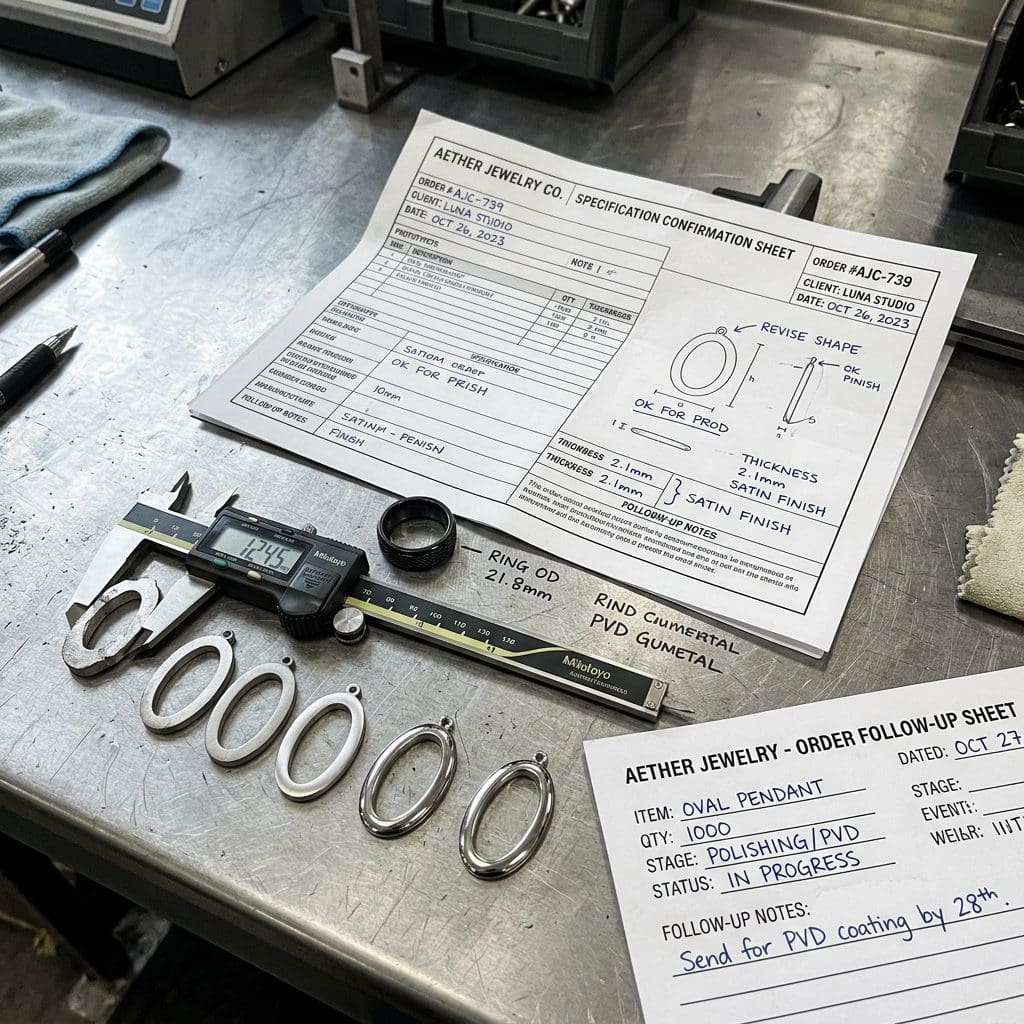
Apply a Clear Hierarchy of Project Requirements
Project-specific written requirements take priority over general website guidance. Chicolink follows the confirmed contract or quality agreement, approved drawing, active specification, approved physical reference, buyer test standard, inspection plan, and packaging artwork. Internal defaults apply only when the project documents do not state another approved requirement.
Conflicts must be resolved before the affected work continues. A color reference cannot silently override a plating specification, an old sample cannot replace a newly approved drawing, and revised packaging cannot enter production without version approval. Chicolink records the conflict, controlling requirement, responsible decision owner, accepted exception, and effective version. This hierarchy keeps purchasing, production, inspection, and packaging aligned without presenting one public policy as a substitute for the technical and commercial agreement of every SKU or market.
Choose the Right Jewelry Sample Type
Different samples answer different sourcing questions. A concept sample can support visual discussion but may not confirm final material or performance. A plating sample can approve color but may not approve construction. An approved production sample becomes a bulk reference only when its applicable documents, finish, components, packaging, authority, and status are clearly identified. Use the table below to select the right approval level, avoid paying for unnecessary development, and prevent an early visual sample from being mistaken for the final production standard.
| Sample Type | Primary Purpose | Typical Review Points | Production Status |
|---|---|---|---|
| Appearance Concept Sample | Review general shape, proportion, and visual direction | Form, style language, approximate scale, design balance | Not automatically a production standard |
| Structural or 3D Prototype | Review engineering logic before metal production | Assembly, movement, clearance, wall thickness, comfort, connection points | Requires metal and process validation |
| Metal Blank Sample | Review the formed or cast metal before plating and decorative work | Dimensions, weight, welding, edge condition, polishing access, structure | Supports process review; finish remains open |
| Plating Color Sample | Approve a color or surface reference | Gold tone, rose gold, black, steel color, gloss, texture, measurement conditions | Color reference only unless linked to a full product sample |
| Functional Sample | Review use-related performance | Clasp, hinge, spring, thread, magnet, stone security, movement, wearing balance | May become a functional reference after approval |
| Packaging Sample | Review private-label presentation and protection | Card, pouch, box, barcode, label, placement, anti-scratch and anti-tangle protection | Packaging reference only when version-controlled |
| Pre-Production Sample | Confirm the intended production configuration before bulk release | Final material, dimensions, finish, components, Logo, packaging, quality points | Eligible for production approval after sign-off |
| Approved Production Sample | Establish the agreed physical benchmark for bulk and repeat orders | Approval scope, appearance standard, authorized deviations, applicable SKU and version, retention status | Formal reference when authority, boundaries, and retention records are complete |
Information Required for Accurate Jewelry Sampling
You do not need a perfect technical pack to start a discussion. You do need enough information for Chicolink to identify the product route, open questions, cost drivers, and approval requirements. The following eight input groups help us prepare a useful project feasibility review instead of an assumption-based quotation.
Design Reference
- Provide a sketch, photo, authorized physical sample, 2D drawing, 3D model, moodboard, or product link.
- Mark the features that must remain unchanged.
- Identify where Chicolink may suggest structural, process, weight, comfort, or cost improvements before development begins.
Product Dimensions
- State length, width, thickness, diameter, ring size, chain or bracelet length, stone dimensions, and hole positions.
- Include critical assembly measurements and actual millimeter values wherever possible.
- Use the buyer's required size system for each documented variant to prevent conversion errors.
Material and Components
- Identify 304, 316L, or an unconfirmed grade and state the material form.
- List chain, clasp, connecting rings, ear posts, springs, screws, magnets, stones, pearls, enamel, resin, and other components.
- Record different grades or substitutes separately in the BOM when the product uses more than one material.
Finish and Color
- State mirror polish, brushing, sandblasting, matte, antiquing, natural steel, gold, rose gold, black, gunmetal, or another reference.
- Identify the base surface, PVD or electroplating expectation, and plating thickness where applicable.
- Add performance expectations and test requirements when they affect price, market claims, or sample comparison.
Logo and Artwork
- Share editable AI, EPS, SVG, CDR, PDF, DWG, or DXF files when available.
- Confirm Logo position, direction, size, safe area, engraving or stamping method, depth, and color reference.
- Confirm authorization to use supplied trademarks, fonts, and protected design elements before release.
Packaging Scope
- Specify OPP bag, jewelry card, pouch, gift box, care card, barcode, SKU label, FNSKU, insert, set arrangement, or retail format.
- Include artwork versions, product orientation, anti-scratch or anti-tangle protection, and destination-channel requirements.
- Link packaging inputs to the product SKU before sampling proceeds.
Market and Quality
- Provide the destination market, retail channel, buyer standard, and inspection plan.
- List requested nickel release, heavy-metal, salt-spray, artificial-sweat, pull, torque, drop, wear, or packaging tests.
- Confirm the standard, sample condition, method or laboratory, acceptance criteria, and report scope by project.
Quantity and Timing
- Provide sample quantity, estimated bulk quantity per style, color and size breakdown, and intended production MOQ.
- State launch date, required delivery date, and expected reorder pattern.
- These inputs affect materials, tooling, plating batches, packaging, price, capacity planning, and the realistic development schedule.
Engineering and DFM Review Before Sampling
Design for Manufacturability review converts a visual idea into a product that can be processed, assembled, inspected, packed, and repeated. Chicolink identifies technical risks and buyer decisions before sampling. The review helps compare appearance with structure, comfort, cost, timing, quality risk, and replenishment needs. Final parameters still depend on engineering approval, the selected process route, and sample validation.
We Review Structure Before Material Is Committed
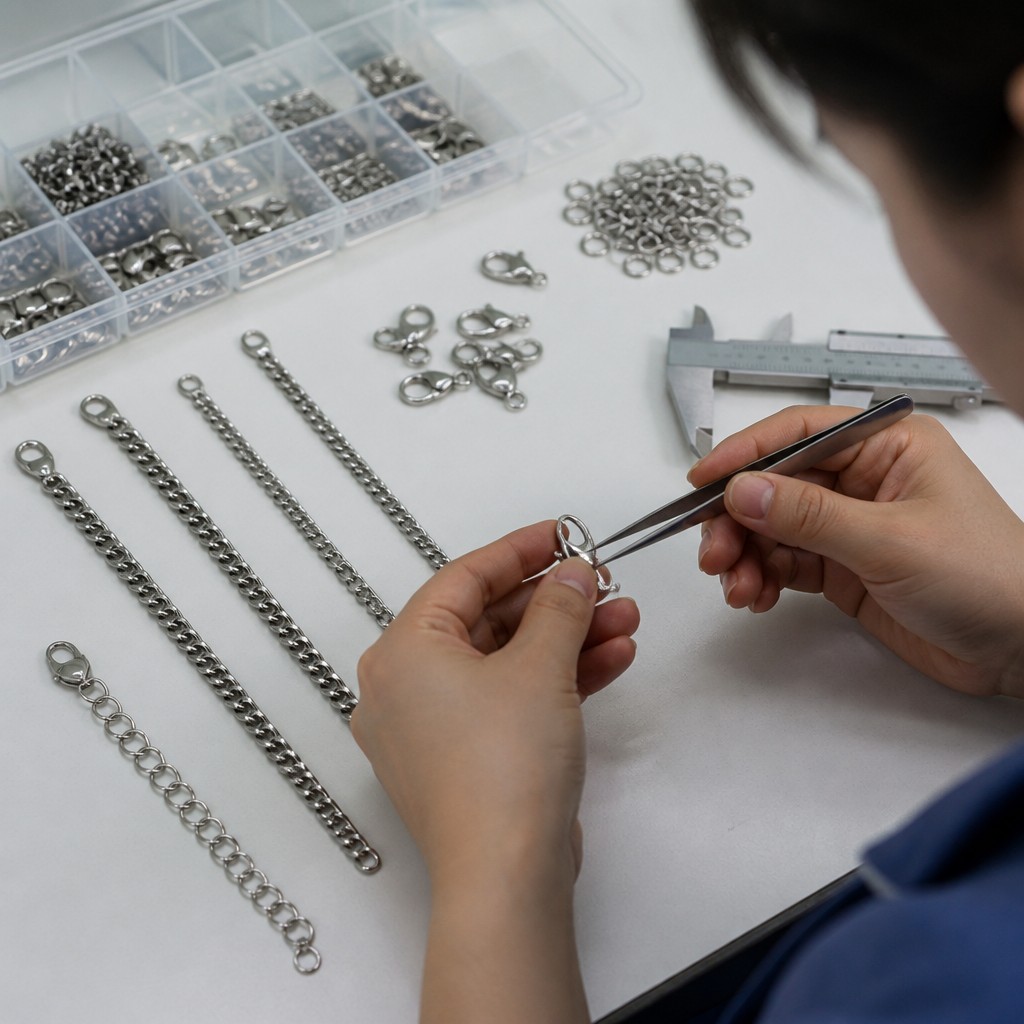
Chicolink checks wall thickness, edges, holes, radii, bending areas, welding contact, polishing allowance, stone seats, hinges, threads, movement clearance, drainage, and tooling access. Sharp corners and skin-contact areas receive extra attention because later processing can change their condition.
Engineering also reviews weight balance, likely deformation, cleaning access, plating accumulation, packaging pressure, component orientation, and misassembly risk. Hollow, tubular, hinged, threaded, or stone-set products may require a physical prototype or functional validation before appearance approval. Critical dimensions, surfaces, connections, and functions are then transferred to the drawing or inspection plan. This gives the buyer measurable approval points and identifies where a visual reference alone cannot demonstrate manufacturability or stable performance.
The Process Route Must Match the Product Geometry
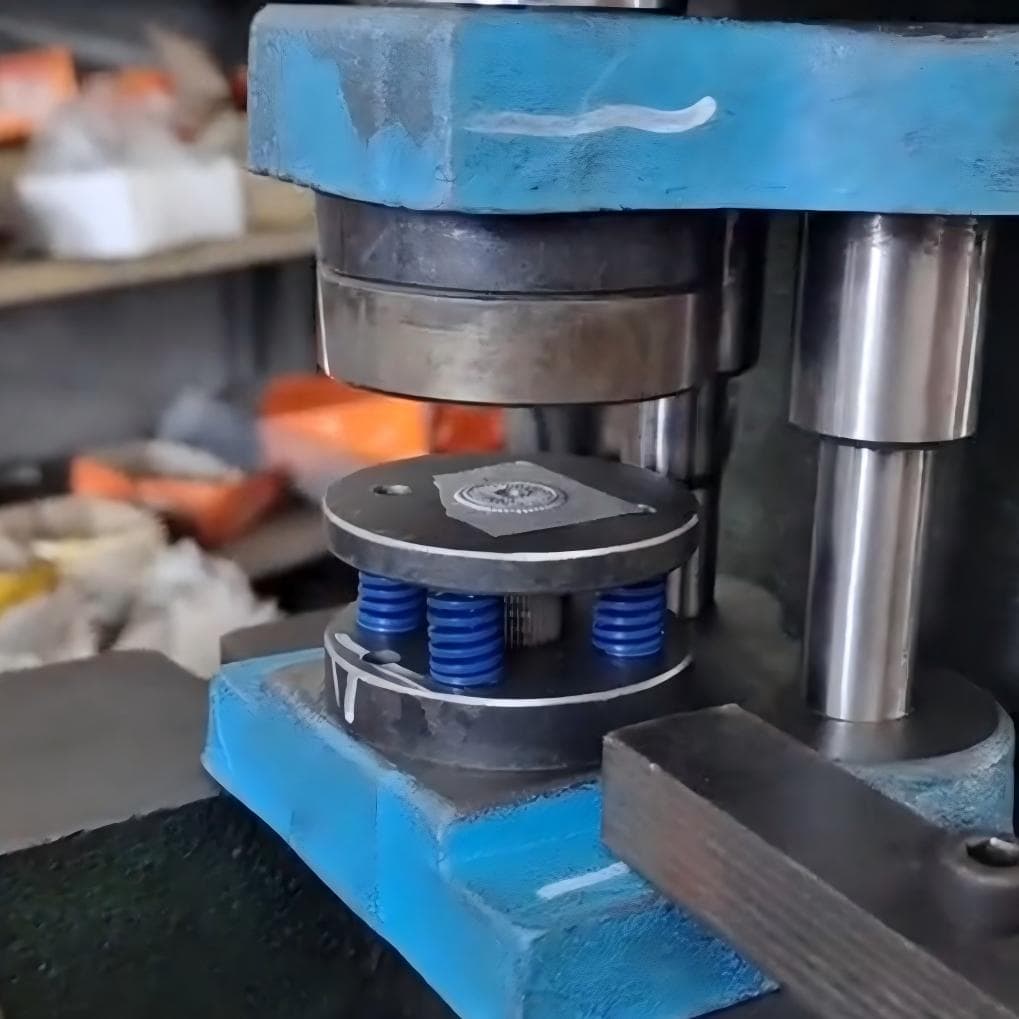
Casting may suit complex three-dimensional shapes; stamping or hydraulic forming can support flat or curved volume programs; laser or wire cutting suits two-dimensional patterns; turning serves round or threaded parts; and CNC supports precision geometry. A complex concept may first use 3D printing before metal tooling.
The route affects tooling, surface access, dimensional control, polishing loss, deformation risk, timing, and yield. Chicolink evaluates geometry, material, quantity, finish, quality requirements, and repeat-order needs instead of choosing a process from visual similarity alone. When two routes are feasible, the comparison identifies their tooling investment, unit cost, surface result, tolerance capability, sample timing, and scaling risk so the buyer can select the option that fits both technical and commercial priorities.
You Receive a Clear Feasibility Decision and Open-Issue List
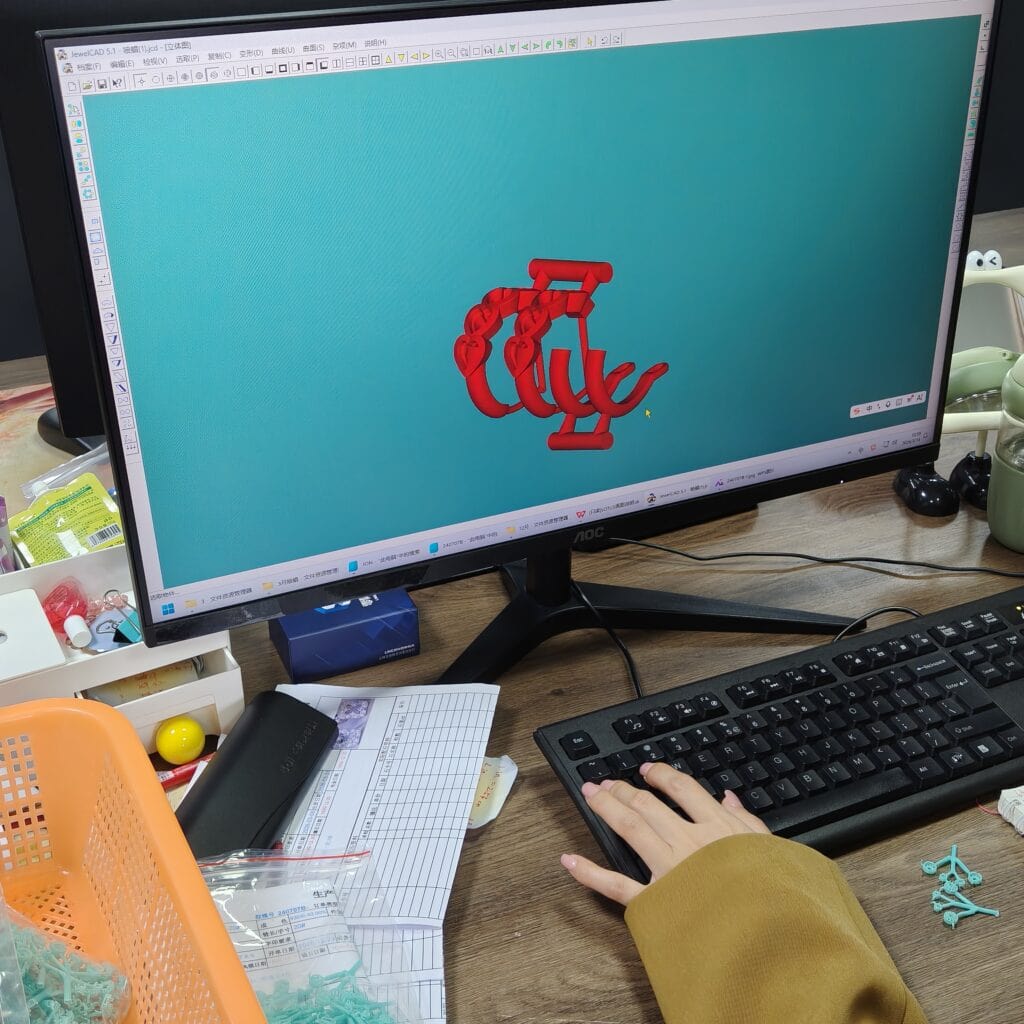
The DFM result classifies a design as producible, producible after modification, requiring sample validation, or currently unsuitable. It identifies the recommended route, tooling or fixture needs, critical dimensions, quality and cost risks, buyer decisions, and validation items that remain open.
Missing information is recorded instead of converted into a requirement. The buyer can retain the design and accept the related cost or risk, modify it for stronger control, or test an alternative through sampling before tooling and production. The record names the reviewer, date, active file, recommendation, required validation, responsible decision owner, and closure condition. This produces an actionable release record rather than an informal opinion that may be lost between development and manufacturing.
Approval Note
We record approval evidence for each inspected feature, including target or tolerance, actual result, method, sample version, reviewer, and disposition. Photographs support the record but are not used as the sole basis for technical decisions; measurable evidence is required where a technical judgment is needed.
Decision Note
We record feasibility decisions, including active file version, selected process route, validation method, responsible reviewer, release conditions, and any items requiring buyer input. Changes to geometry, material, quantity, finish, or acceptance criteria trigger a revised feasibility review.
Sample Fees and Cost Conditions
Sample fees normally apply because sampling consumes engineering time, materials, machine time, tooling, finishing, assembly, inspection, and project coordination. Chicolink provides a project-specific quotation after reviewing the available information. The table explains common cost categories; it does not represent a fixed price list or an automatic fee-credit promise.
| Cost Category | When It May Apply | What It Can Cover | Policy Condition |
|---|---|---|---|
| Existing-Style Sample | A current item is requested for quality or finish review | Product, selected finish, basic inspection, preparation | SKU, color, quantity, stock, and packaging must be confirmed |
| Custom Sample | A new or materially modified product is developed | Engineering, material, processing, finishing, assembly, inspection | Quoted after feasibility and specification review |
| Mold or Tooling | A new shape, exclusive part, stamping tool, fixture, or mold is needed | Mold design, master, trial, adjustment, tool preparation | Ownership, storage, use, and replacement terms require written confirmation |
| Special Finish | A nonstandard color, thickness, texture, or finishing route is requested | Color development, partner-factory setup, plating trial, return inspection | Color reference, measurement method, and acceptance criteria must be defined |
| Stones and Components | Custom stones, pearls, clasps, springs, chains, or accessories are sourced | Sourcing, matching, minimum supplier quantity, assembly validation | Natural variation and permitted substitutes require approval where applicable |
| Private-Label Packaging | Cards, pouches, boxes, labels, inserts, or barcode samples are required | Artwork review, printing, material, setup, assembly, packaging test | Product and packaging versions must be linked before approval |
| Testing and Reports | Project-specific performance or compliance evidence is requested | Internal checks, destructive tests, laboratory coordination, third-party reports | Standard, sample scope, quantity, color, material, and laboratory must be confirmed |
| International Delivery | Physical samples are shipped to the buyer or inspection party | Courier, documentation, declared information, insurance where agreed | Destination, postcode, package data, Incoterm, tax, and delivery target affect cost |
Policy Notes
- Sample fees are normally applicable.
- Sample or mold fee credit is confirmed according to order value and written agreement.
- A scope change after quotation may change the sample fee and lead time.
- Formal pricing follows engineering and cost review; the initial response is not a final quotation.
- Sample quantity is separate from the later production MOQ.
- Existing or regular-style production MOQ is typically 120 pieces per style.
- OEM/ODM production MOQ is typically 500 pieces per style.
- MOQ may be calculated by style, color, size, plating batch, or packaging version and can change with tooling, material, finish, stones, packaging, and production complexity.
Sample Lead Times and Planning Factors
Sample timing begins after the required specifications, commercial conditions, and applicable design approvals are sufficiently clear. Different sample routes cannot share one universal lead time. The following ranges are normal planning references, not unconditional delivery guarantees. Final timing depends on product complexity, material availability, tooling, plating, stones, packaging, revision scope, tests, and buyer response time. The launch plan should separately account for engineering review, approval waiting time, factory processing, international transit, customs clearance, and any repeat sample required after a scope change.
| Project Stage | Typical Lead Time | Starting Condition | Main Variables |
|---|---|---|---|
| Existing-Style Sample | 3-7 working days | SKU, color, quantity, packaging, and availability confirmed | Stock status, finish, inspection, sample quantity |
| OEM/ODM Custom Sample | 25-30 working days | Design and commercial scope approved for sampling | CAD, tooling, complexity, material, plating, stones, assembly |
| Existing-Style Bulk Order | 20-30 working days | Order, payment, SKU, quantities, colors, and packaging confirmed | Inventory, material, plating batch, packaging, inspection |
| OEM/ODM Custom Bulk Order | 25-45 working days | Approved sample and production documents released | Quantity, process route, in-house PVD/IP coating, packaging, testing, inspection |
Planning Factors
- A new mold, complex active structure, special stone, unusual color, custom packaging, or multiple size variants may extend development.
- Buyer approval time is separate from factory processing time and should be included in the launch plan.
- A revision that changes material, structure, process, tooling, or packaging may restart affected review and production steps.
- Complex projects target an initial assessment within 24 hours, but the formal quotation follows completed engineering and cost review.
- International transit and customs clearance are not included in factory sampling time unless specifically stated in the quotation.
Our Six-Step Jewelry Sampling Process
Chicolink keeps sampling connected to production from the first brief. Each stage has a practical decision: whether the inputs are sufficient, whether the design is manufacturable, whether the commercial scope is approved, whether the physical sample meets the agreed criteria, and whether the final reference is ready to control bulk manufacturing. The workflow also identifies when buyer feedback is required, when a change needs re-evaluation, and which project records must be completed before the project moves forward.
Steps 01-03
Step 01: Submit Project Inputs
Share the product type, reference files, dimensions, material, finish, Logo, packaging, target market, tests, sample quantity, estimated bulk quantity, and requested timing. Chicolink identifies missing information and confirms the intended sample purpose before detailed evaluation.
Step 02: Review Feasibility and Cost
Engineering and commercial teams review structure, process, material, tooling, quality requirements, cost drivers, MOQ, and lead time. You receive open questions, feasibility comments, and a project-specific quotation when the required cost and engineering information is complete.
Step 03: Approve Drawings and References
Applicable 2D drawings, 3D models, dimensions, BOM information, color references, Logo artwork, stones, components, and packaging files are reviewed. Sampling starts only after the required design and commercial approvals are recorded for the selected development stage.
Steps 04-06
Step 04: Produce and Inspect Sample
Chicolink prepares tooling or process settings where required, manufactures the sample, coordinates PVD or electroplating through approved partner resources, completes assembly and finishing, and checks the defined appearance, dimensions, structure, function, branding, and packaging requirements.
Step 05: Review and Revise
The buyer reviews the sample against the agreed checklist and submits marked, dimension-specific feedback. Chicolink evaluates whether requested changes affect feasibility, tooling, cost, timing, quality criteria, or previously approved files before preparing any required revision sample.
Step 06: Sign Off and Prepare Bulk
The final approval links the physical or photographed reference to its drawing, BOM, color, Logo, packaging, test, and version records. Chicolink then prepares the approved standard for first-piece confirmation, production control, final inspection, and repeat-order traceability.
Sample Revision and Change-Control Policy
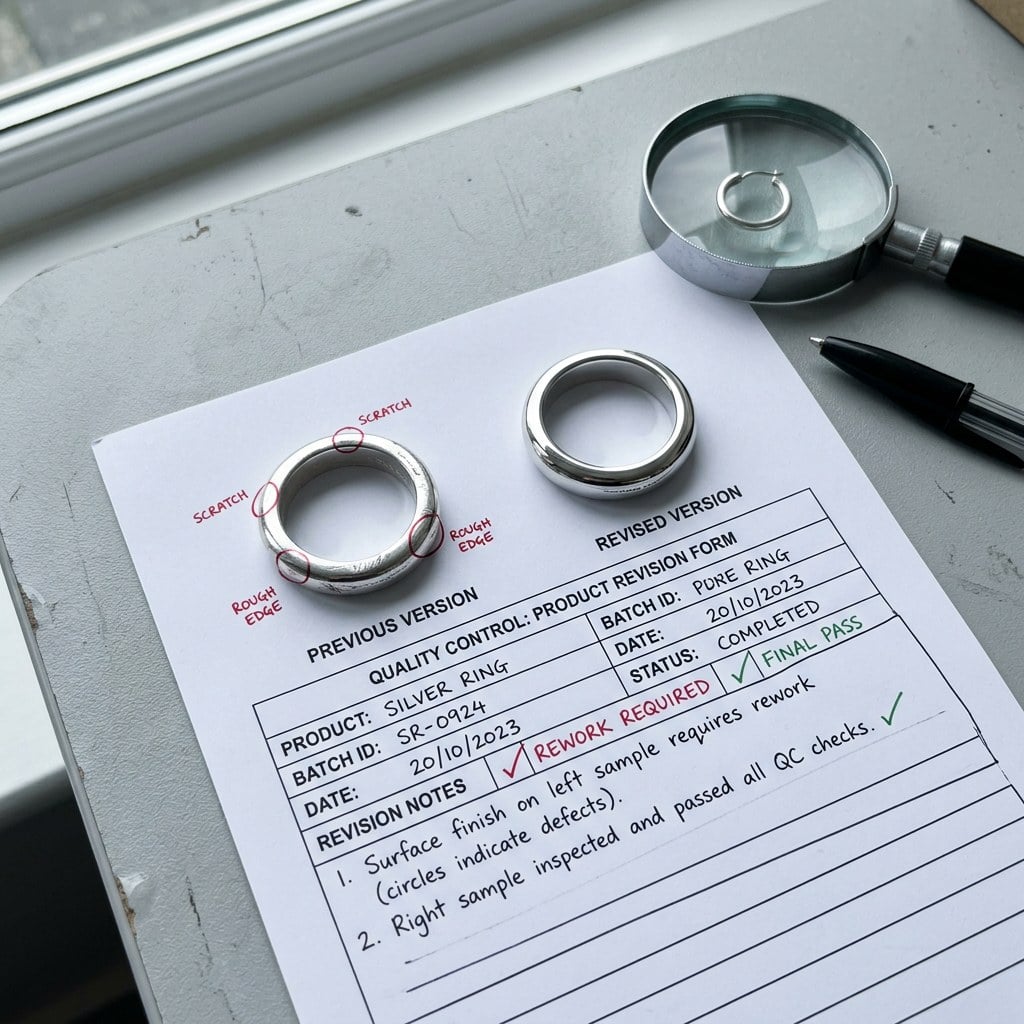
A useful revision identifies the affected feature, current reference, observed difference, and requested result. Chicolink checks it against the active product, finish, Logo, packaging, and quality files. Scope changes may require revised cost, timing, tooling, or feasibility approval. Structured feedback protects design intent and prevents conflicting comments, unmarked images, or obsolete files from controlling the next sample.
Submit Feedback That Engineering Can Act On
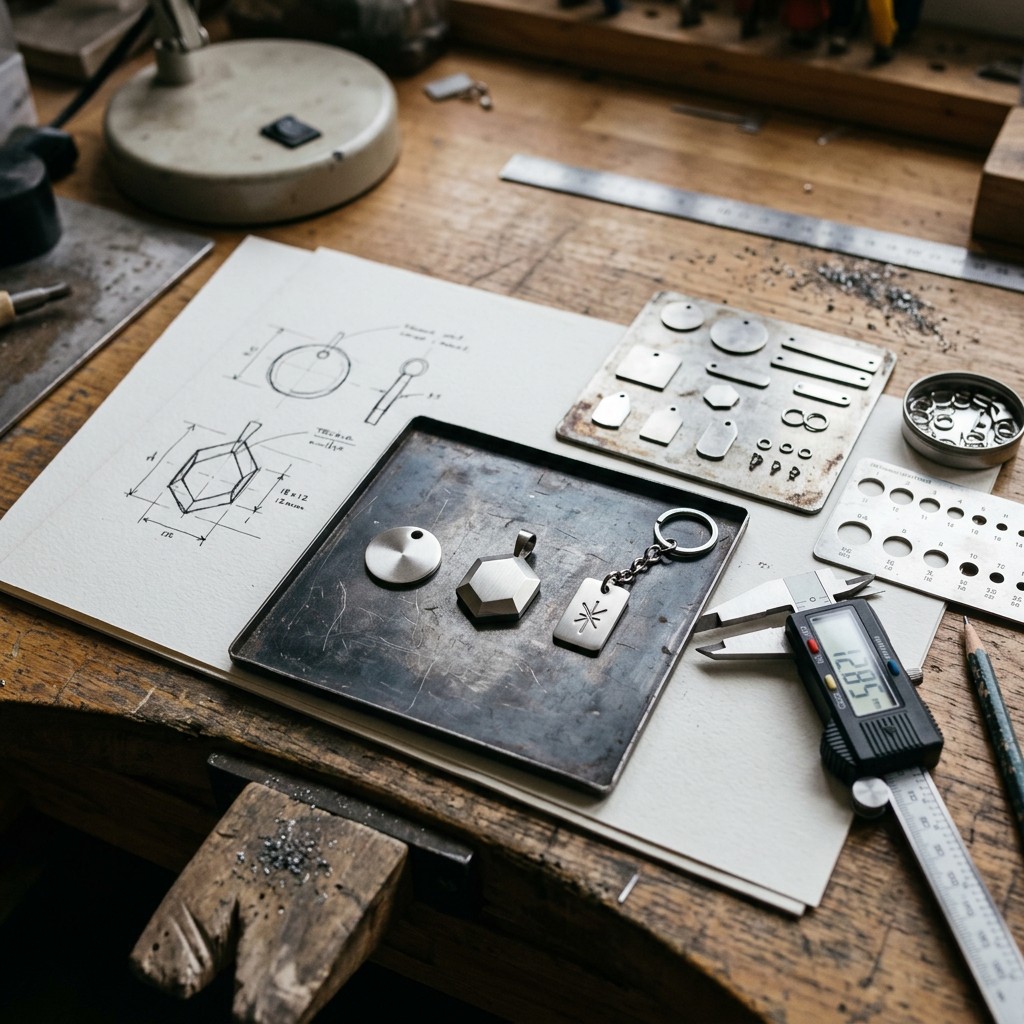
Review the relevant dimension, weight, size, Logo, color, texture, edge, comfort, stone setting, function, assembly, packaging, or SKU information. Mark the exact location on a photograph or drawing and state the current result, required result, tolerance, and comparison reference where possible.
We separate subjective preferences from measurable nonconformity: “Make the gold warmer” is reviewed against a color reference; “too heavy” against a target range; and “logo unclear” against size, line, depth, font, and surface criteria. We then classify each request as a correction, optimization, or new scope. Design, procurement, quality, and merchandising inputs are consolidated into one approved instruction set before the next sample begins — reducing conflicting directions and repeated rework.
Every Approved Change Must Reach the Correct Version
Chicolink checks whether a revision changes material, structure, process, tooling, dimensions, finish, stones, Logo, packaging, testing, MOQ, cost, or timing. Additional validation and quotation are identified before work continues. Revision allowance follows the quotation or written agreement rather than a universal free-revision rule.
We assign a new version, effective date, and approval record to every changed drawing, BOM, color reference, logo file, packaging artwork, or test requirement. Obsolete files are removed from active purchasing, production, inspection, and packing use. The change record determines whether existing materials, tooling, packaging, or work in progress may be used, require rework, or must be isolated. This keeps all teams aligned on the current release and makes cost, inventory, schedule, and previous approval impact visible before implementation.
Revision Feedback Checklist
- Mark the exact location and issue.
- Attach a measurement or reference where available.
- Separate required corrections from optional preferences.
- Confirm whether the change applies to one SKU or the full collection.
- State any effect on the target launch date or cost ceiling.
- Approve the revised version in writing before the next stage.
Approved Sample Authority and Deviation Control
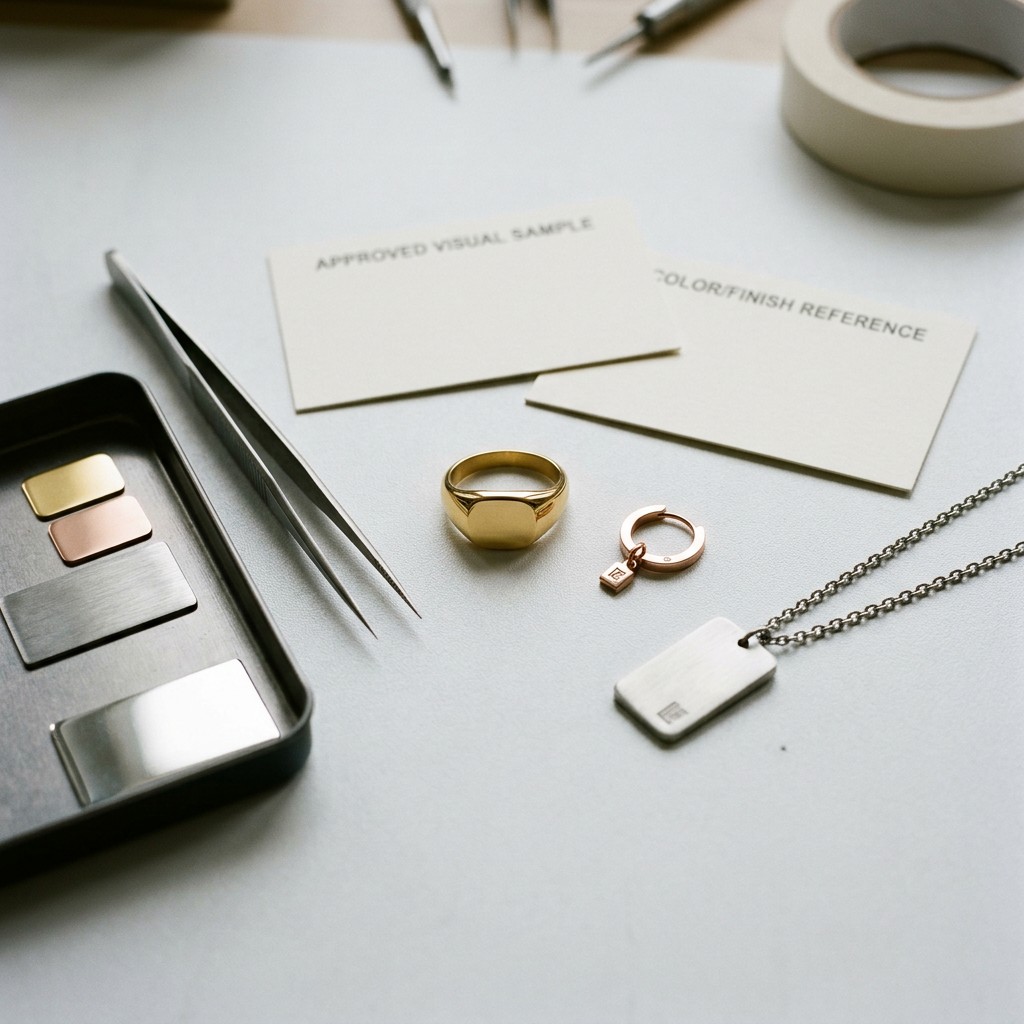
An approved sample is a decision record, not a precious-metal description. A gold-tone reference may mean PVD/IP or, when specified, real-gold electroplating over a stainless steel base; it does not mean the jewelry body is solid gold. Chicolink records what the sample approves, who has authority to approve it, which deviations are temporary, and when the reference must be replaced or reapproved. Product specifications and production controls remain in the dedicated sample-to-bulk module below.
Defined Approval Scope
We define each approval by customer, project, SKU, color, size, sales channel, sample purpose, and document version. Product appearance, function, branding, packaging, and compliance approvals are managed separately, with clear ownership where teams differ. We also track what remains open. Approval of one finish, photo, or mockup applies only to that specific configuration — not to every material, variant, test condition, or future order unless separately approved.
Named Approval Authority
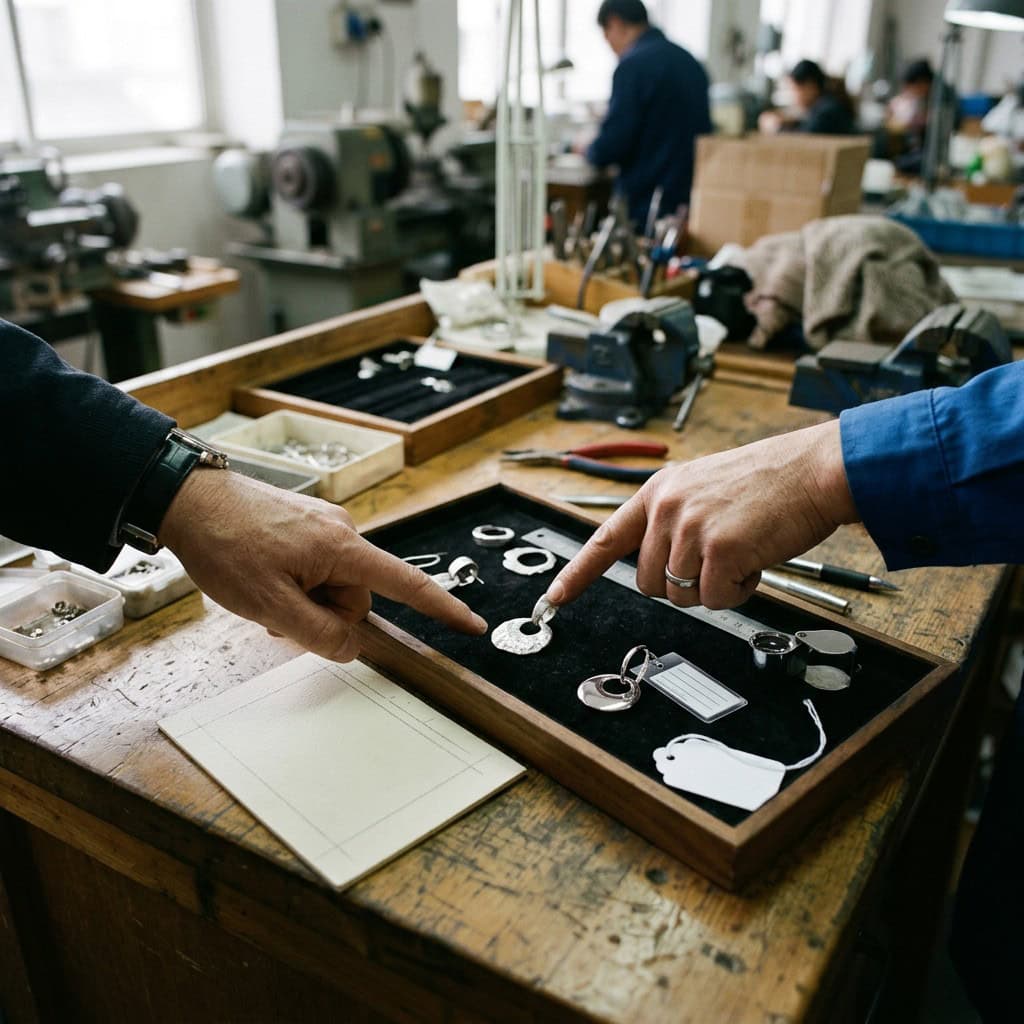
We define the buyer and Chicolink roles authorized to approve, reject, or request revision — and record the approver’s name or role, decision date, confirmation method, conditions, unresolved items, and required next action. Procurement acceptance of cost or timing is separate from technical, quality, brand, packaging, and compliance approval. A forwarded image, chat reaction, or sample receipt is not treated as formal release unless the agreed approval method confirms it.
Temporary Deviation Control
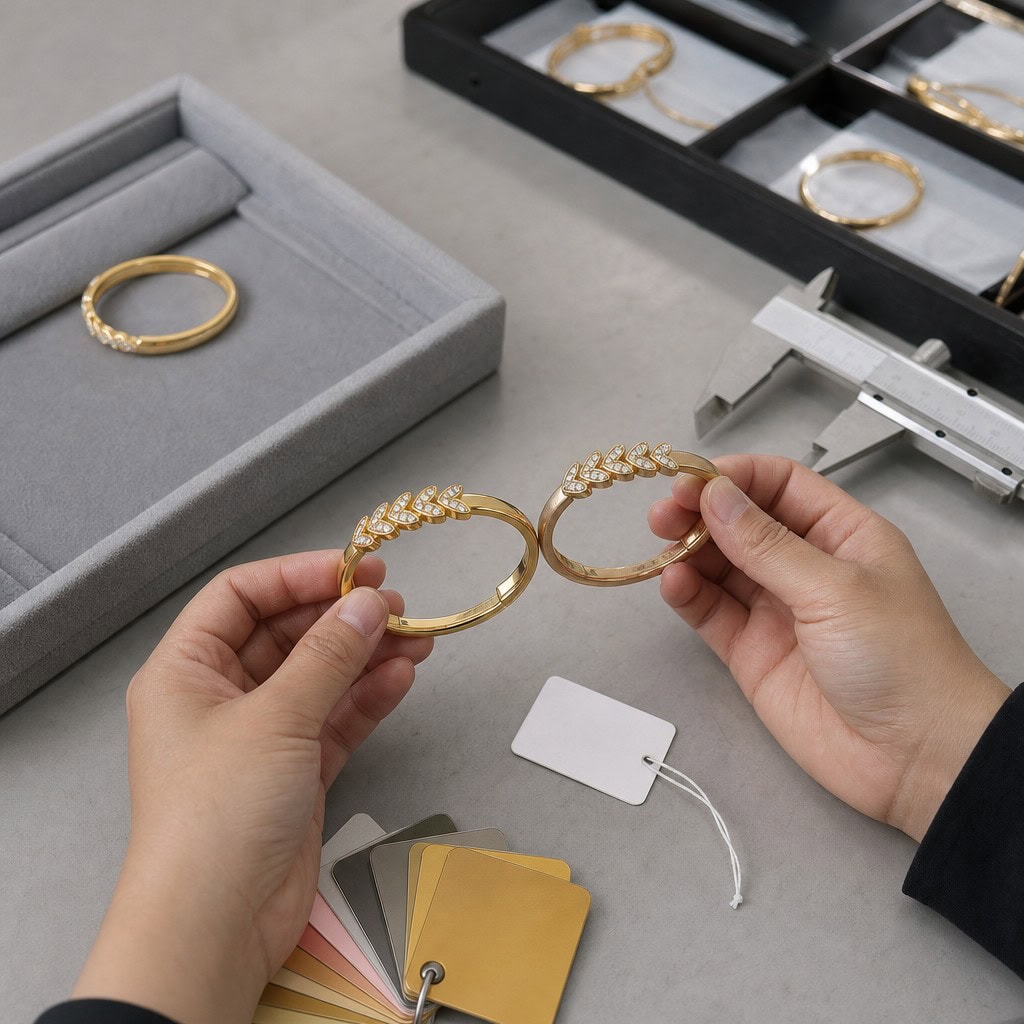
Record every accepted difference from the normal requirement, including the affected feature, reason, applicable SKU or batch, quantity, approval authority, validity period, and required corrective action. Classify the decision as a one-time concession, limited-batch exception, temporary substitute, or permanent specification change. A temporary deviation never becomes the replenishment standard unless the controlling document is formally revised, reviewed, approved, and released.
Retention, Expiry and Supersession
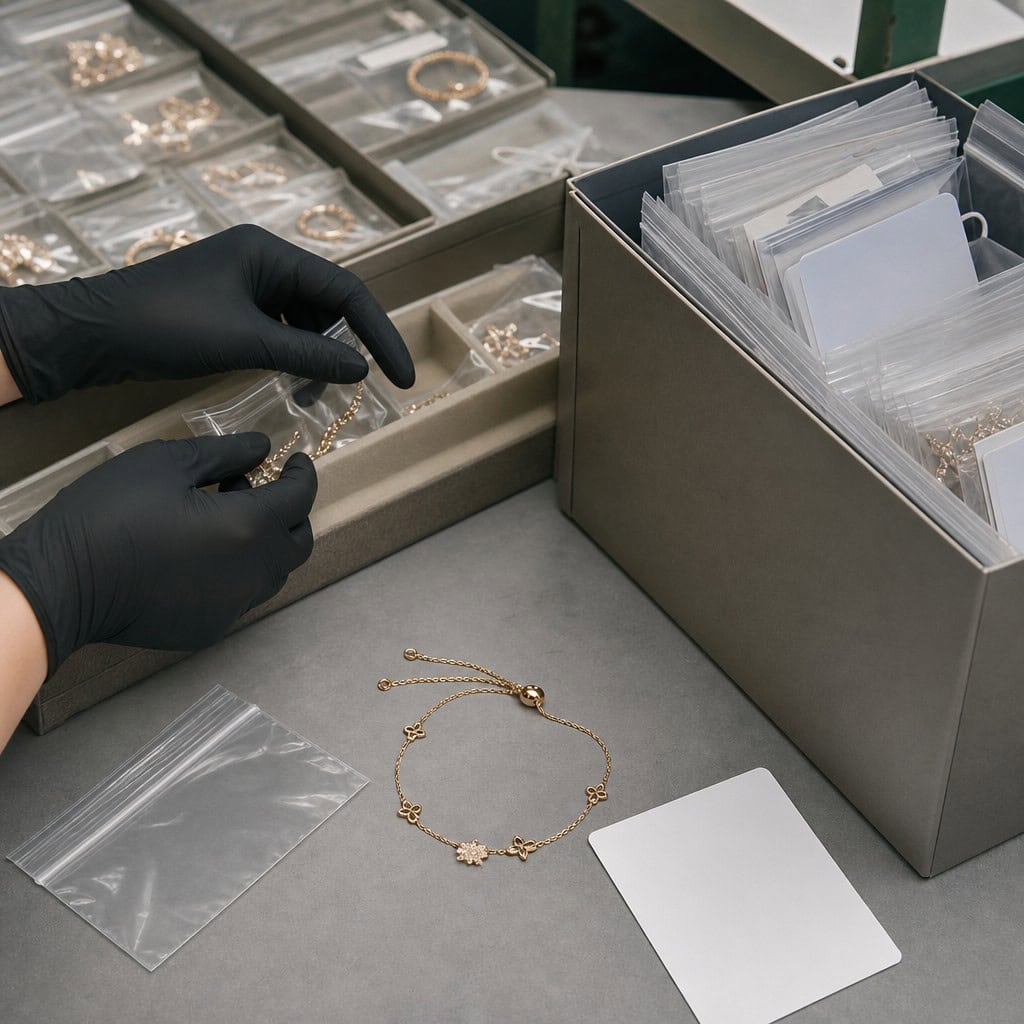
We assign each active reference a unique number, effective date, retention location, custodian, condition-check method, and retention period. Replaced samples and photographs are marked as superseded — preventing their use through old emails or shared folders. Reapproval is required after any change to material, supplier, structure, color system, logo, packaging, test requirement, manufacturing route, long production gap, damaged reference, or agreed validity change. We ensure both buyer and Chicolink records reference the same active version.
Material, PVD and Finish Sample Approval
Material and finish decisions affect appearance, corrosion behavior, manufacturability, cost, timing, and replenishment. Chicolink separates base-material, mechanical-surface, and PVD or electroplating approval so each has a controlled reference. Selection depends on structure, use environment, market, price, and buyer requirements. The record distinguishes visual acceptance from measured or tested results because color alone does not confirm material grade or coating performance.
Select 304 or 316L for the Actual Project Need
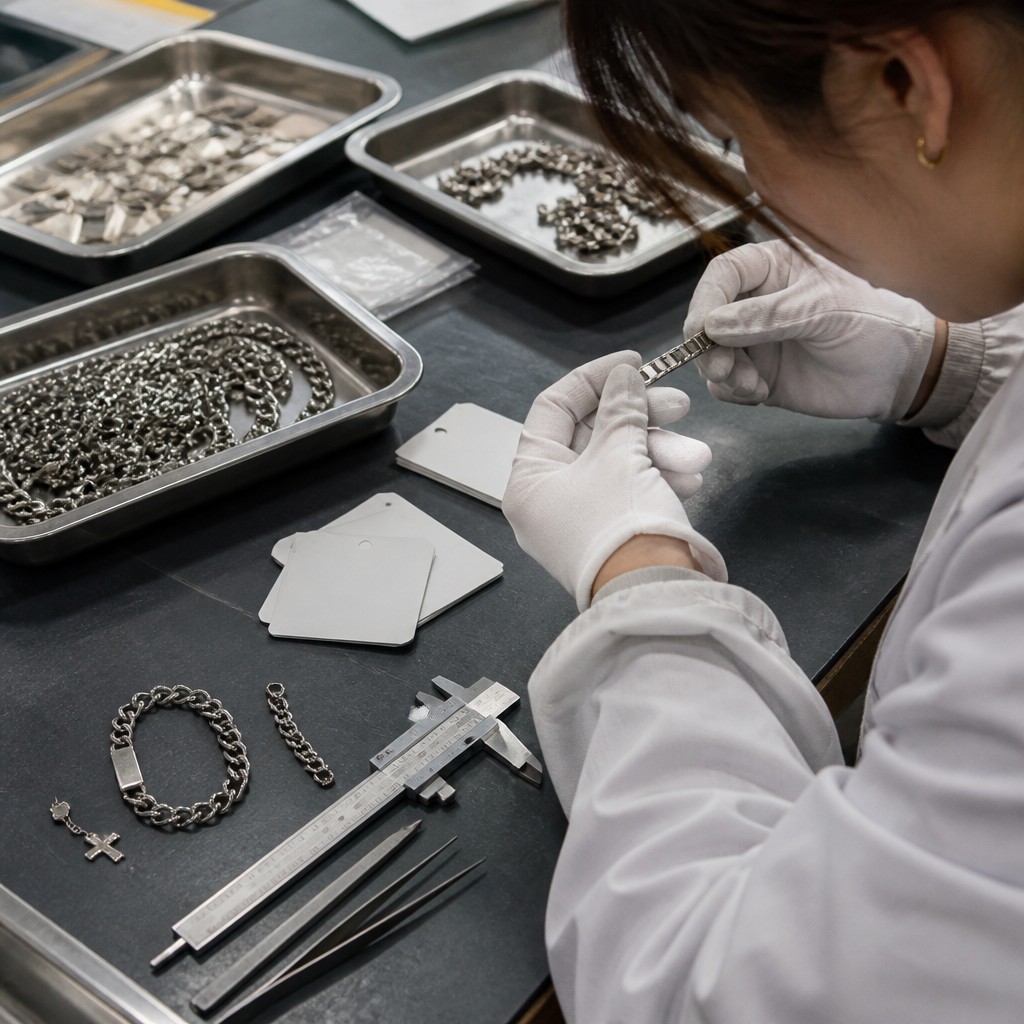
304 stainless steel supports many commercial fashion and wholesale programs. 316L contains molybdenum and generally offers stronger pitting resistance, but its hardness can make forming, cutting, welding, polishing, and adjustment more difficult. Chicolink evaluates grade against product structure, wearing environment, process route, market, and buyer specification.
The main body, ear posts, springs, screws, magnets, clasps, rings, and welding material may use different grades. Each applicable material belongs in the drawing or BOM. If verification is required, confirm the sample or batch, test method, document scope, and market before testing. The final choice should also consider hardness, forming and welding compatibility, polishing, skin-contact position, corrosion exposure, retail claims, cost, and replenishment needs.
Approve the Mechanical Surface Before Color Masks It
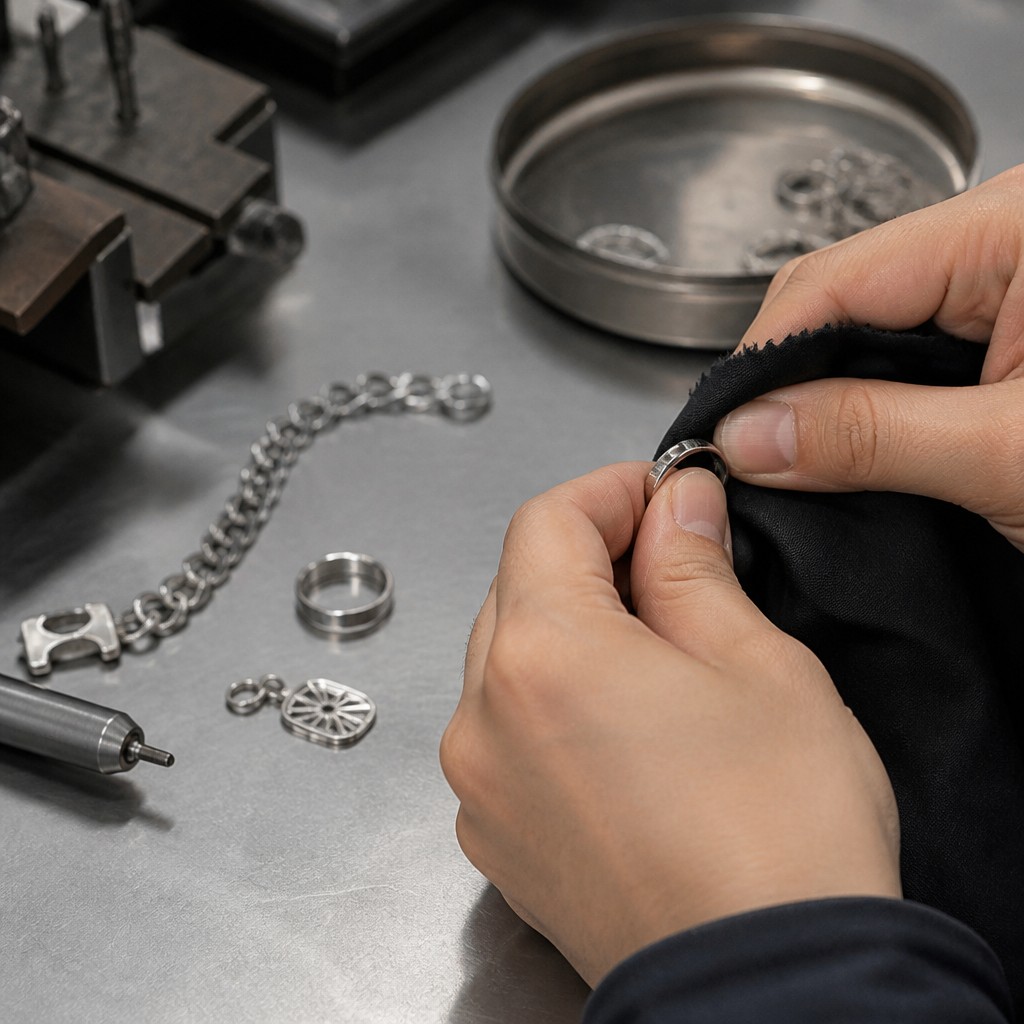
We approve mirror polish, brushing, satin, sandblasting, matte, antiquing, and other textures by product area and viewing condition — defining primary, secondary, and hidden surfaces, brushing direction, texture, joining positions, polish level, and the controlling sample or panel. Edge rounding, welding marks, polishing loss, and narrow recesses are reviewed separately against the approved standard.
We inspect base-surface quality before color application — addressing scratches, pits, uneven polish, trapped compound, residue, and cleaning marks before coating. The approved sample establishes both surface finish and color together as the combined reference. The same gold tone is reviewed separately over mirror, brushed, sandblasted, recessed, and stone-set surfaces. Packaging protection is also verified against the approved sample to ensure high-polish finishes arrive in expected condition.
Control PVD In-House Through a Controlled Factory Process
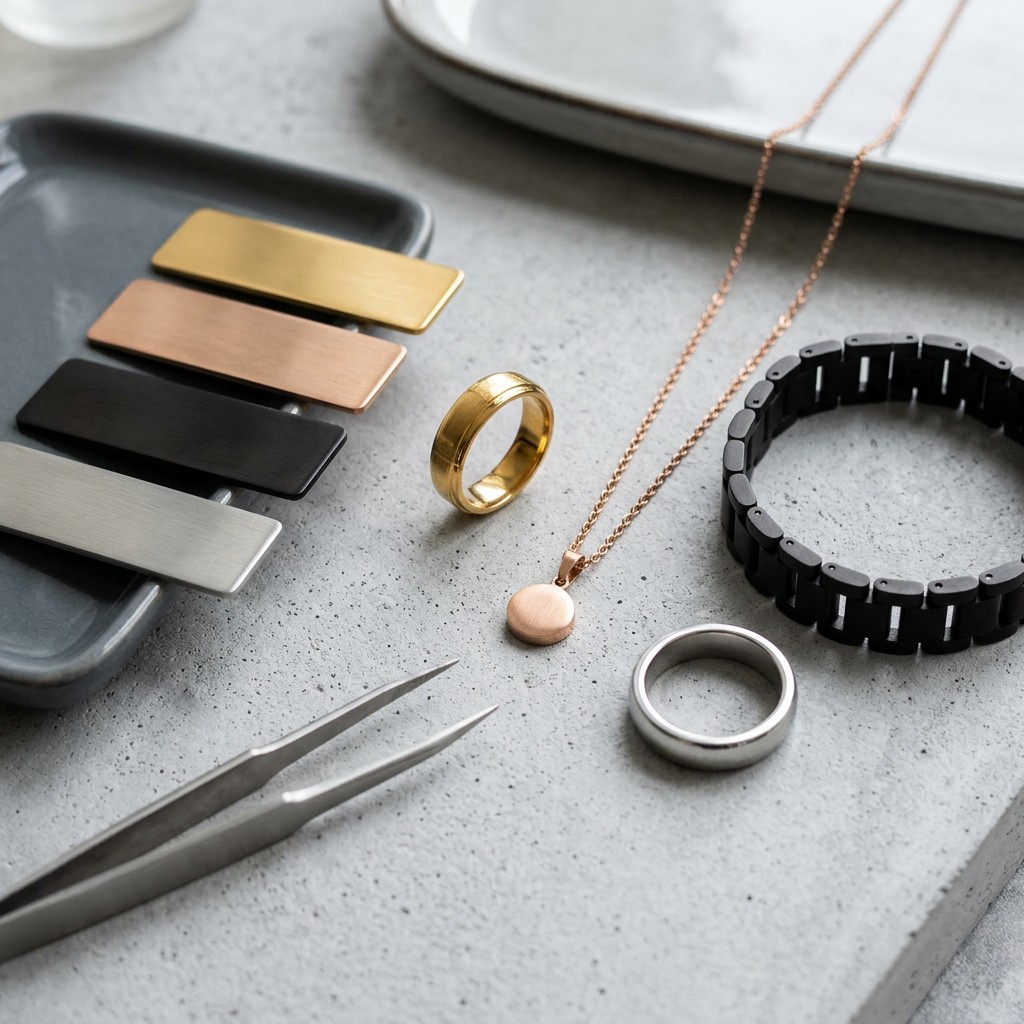
PVD/IP coating is completed on Chicolink’s own PVD equipment under a controlled factory workflow. Our team manages pre-treatment, loading, masking, coating parameters, sample approval, in-process inspection, final inspection and batch records within one coordinated production process.
Each project confirms the stainless steel grade, polishing level, approved color sample, coating structure, target thickness, measurement points, contact areas, masking requirements and durability tests. Quality checks cover coating thickness, color consistency, missed coating, stains, burning, pinholes, scratches, peeling and interference with clasps or moving parts. Repeat orders follow the active color reference, inspection records and approved deviations for each SKU.
Sample Quality Checks Before Approval
Chicolink checks each formal sample against the purpose and criteria agreed for that development stage. Not every sample receives every destructive or laboratory test. Applicable measurements, functional checks, performance tests, sample quantities, equipment, conditions, and acceptance rules are defined by product risk, target market, buyer standard, and written project requirements.
Material Confirmation
Confirm the material basis of the sample.
- Check the specified stainless steel grade, material form, component materials, stones, pearls, decorative parts, and packaging materials where applicable.
- Link any material report or composition test to the tested sample or batch.
- Do not extend one result automatically to every SKU, color, or production batch.
Dimensional Inspection
Turn critical dimensions into recorded evidence.
- Measure length, width, thickness, diameter, ring size, holes, assembly position, chain length, and other agreed features.
- Use suitable calibrated or verified tools.
- Record measurement points, datum surfaces, product state, direction, and actual readings when required.
Surface Inspection
Inspect the surfaces that buyers will actually evaluate.
- Check primary and secondary areas for scratches, pits, burrs, sharp edges, welding marks, polishing inconsistency, residue, deformation, and glue marks.
- Use the approved finish and defect standard for the project.
- Confirm the acceptance level before production because expectations vary by finish, price position, and channel.
Color and Plating
Compare color and coating against a controlled reference.
- Review the sample against the approved color reference or panel under defined viewing conditions.
- Measure representative thickness points where specified.
- Check missed coating, uneven color, burning, stains, pinholes, peeling, exposed base material, and coating buildup that affects function.
Structure and Function
Check the features that control use and wear.
- Review clasps, hinges, springs, threads, magnets, adjustable parts, chain movement, pendant orientation, ring form, ear-post position, assembly direction, and wearing balance.
- Select pull, torque, opening-cycle, drop, or deformation tests according to structure and buyer requirements.
- Record the applicable method and result rather than applying one test to every product.
Stone and Decoration
Check decoration against its actual fixing structure.
- Verify stone quantity, size, color, position, alignment, height, prongs, channels, glue, pearls, enamel, resin, paint, and decorative-part attachment.
- Select tape, probe, pull, push, or torque methods according to the fixing method.
- Do not use one attachment test for every stone or decorative material.
Logo and Identification
Verify branding and identification against released artwork.
- Confirm Logo content, font, direction, position, size, depth, line clarity, negative space, and surface compatibility.
- Check tags, cards, barcodes, SKU labels, and other identification against the approved product version.
- Record discrepancies so branding stays legible, oriented, and traceable.
Packaging Review
Confirm the approved retail-ready presentation.
- Check product, pair, or set completeness and protection against scratches, tangling, bent ear posts, stone pressure, movement, or missing components.
- Verify card, pouch, box, insert, label, barcode, quantity, orientation, and packing sequence.
- Compare the result with the active packaging reference before approval.
From Approved Sample to Repeatable Bulk Production
The approved sample is one part of production control. Chicolink links it to specifications, BOM data, process instructions, first-piece confirmation, in-process and final inspection, packaging, and batch records. This gives buyers an objective basis for bulk acceptance, replenishment, exception review, and change control, showing whether the approved result has become a measurable and repeatable manufacturing standard.
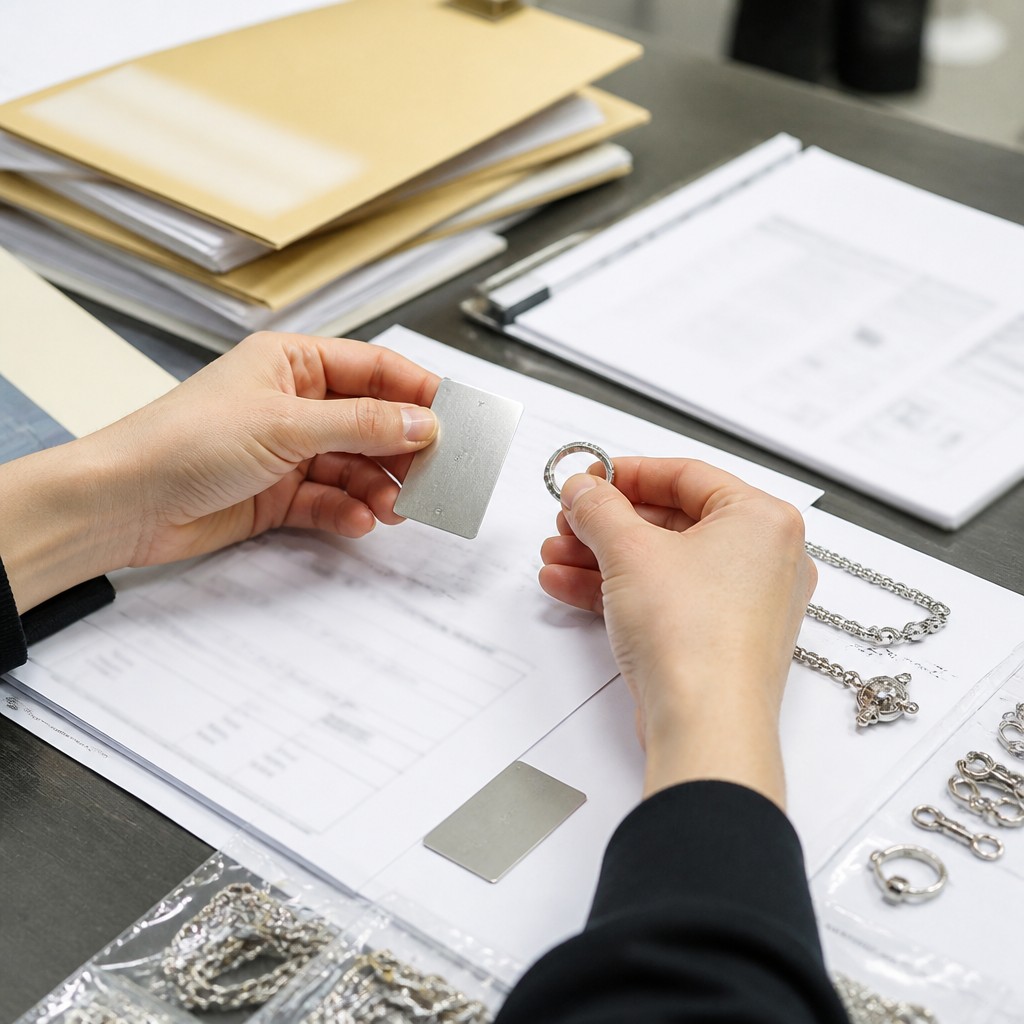
Translate the Physical Sample into Production Documents
The product specification should identify the project, SKU, active drawings, material and component grades, dimensions and tolerances, weight, structure, stones, surface, plating, Logo, quality points, testing, packaging, photographs, version, and approval status. The BOM defines materials, quantities, purchased or internal parts, process sources, loss assumptions, and substitute-approval rules.
The physical sample shows the agreed result; the documents explain how to reproduce and inspect it. Any conflict must be resolved before release. The package should identify the active files, approved reference, open exceptions, authorized substitutes, inspection method, buyer acceptance standard, and release owner before material purchasing or scheduling. This prevents an undocumented visual feature from changing across operators, equipment, plating batches, inspection teams, or future orders.
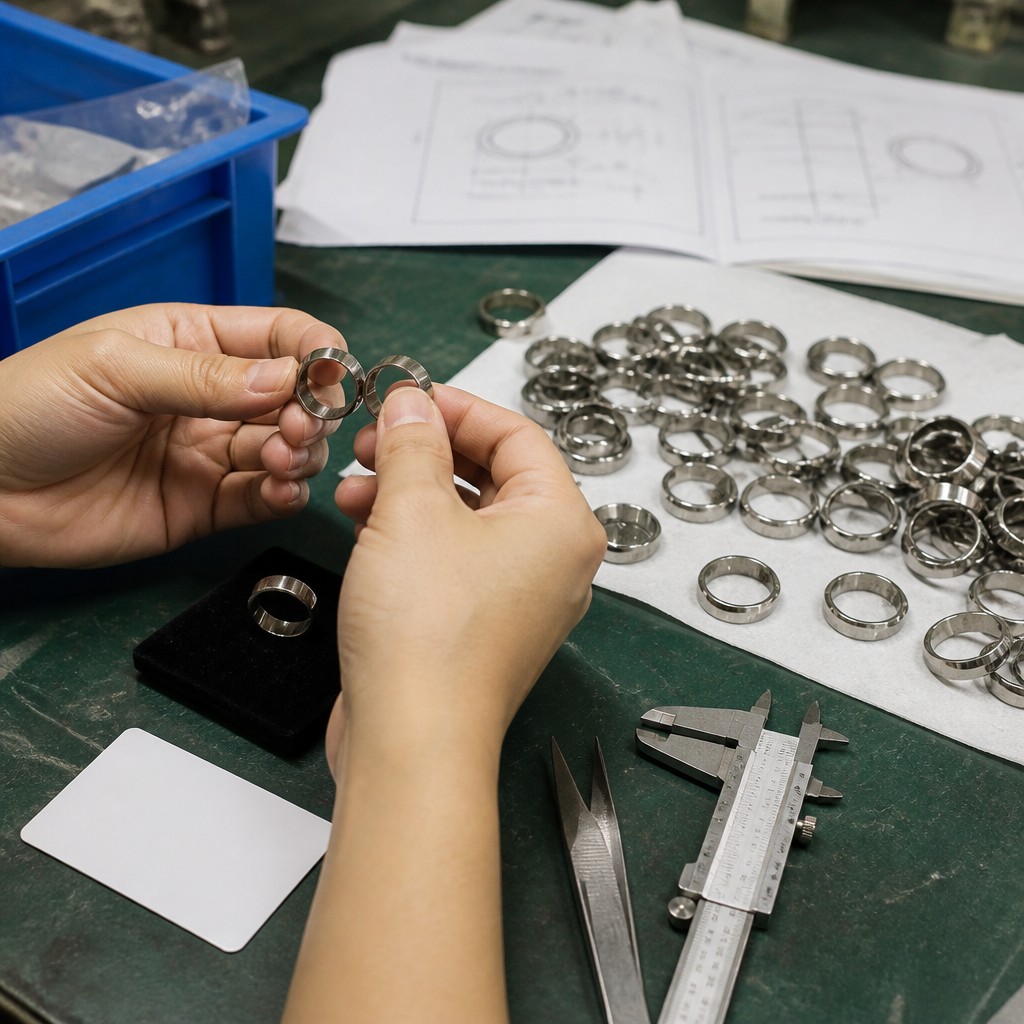
Confirm the First Piece Before Scaling the Process
First-piece confirmation verifies that the released drawing, BOM, material, tooling, setup, process route, dimensions, assembly, surface, Logo, and function reproduce the approved standard before volume increases. Its purpose is to expose a systematic error before it reaches the batch.
After approval, in-process checks monitor the operations that create actual product risk, including machining, welding, polishing, plating return, stone work, assembly, and packaging. Final inspection compares appearance, dimensions, structure, function, branding, components, and packaging with the agreed standard. A failed first piece requires correction and reconfirmation before scale-up. The decision, responsible function, result, corrective action, and inspection frequency remain connected to the batch and active specification; confirmed buyer inspection plans take priority.
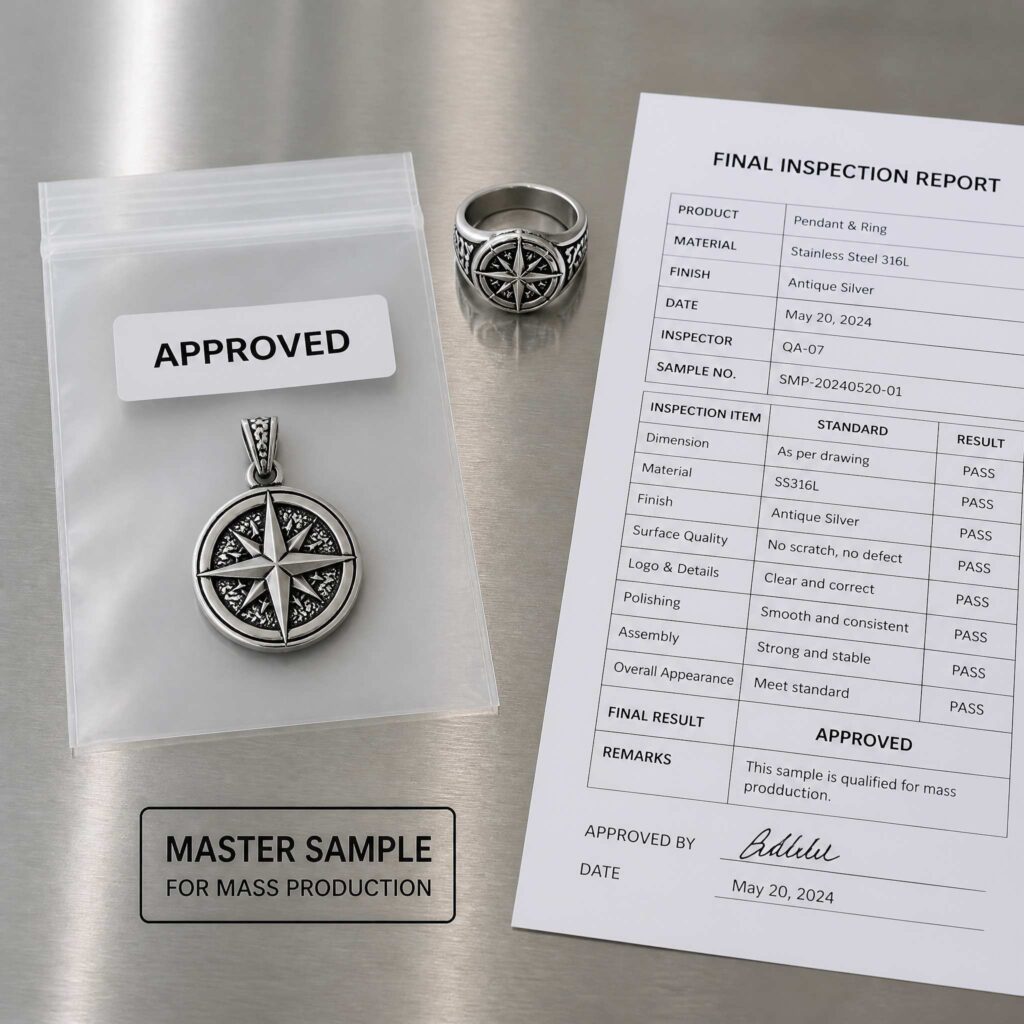
Preserve Batch and Change Traceability for Reorders
We maintain traceability linking each batch to its order, SKU, active sample or drawing, material supplier and batch, production order, key processes, in-house PVD/IP coating batch, inspection results, nonconforming product handling, packaging, shipment, and corrective actions. Traceability scope is defined by project and quality agreement — supporting accurate reorders and effective complaint review.
When a reorder changes material, size ratio, color, plating, logo, stone, packaging, label, testing, or quantity assumptions, we do not carry forward the old approval automatically. The changed field is reviewed and assigned a clear active version. We confirm with the buyer whether unchanged fields remain approved, whether a new sample is needed, and whether existing materials or packaging may still be used. We maintain named record ownership and retention periods — enabling accurate replenishment comparison and traceable root-cause analysis for future orders.
Correction Note
When first-piece or in-process results fail, record the affected batch, requirement, actual result, containment action, root-cause owner, correction, verification method, and release decision. Rework or process adjustment should be reconfirmed before the affected operation returns to normal production.
Release Note
We define production release by buyer approver, approval date, active sample and document versions, permitted deviations, unresolved conditions, and effective SKU scope. We reference only approved, version-controlled documents for material purchasing and production scheduling — preventing reliance on unversioned photos, forwarded messages, or obsolete references.
Reorder Note
We compare each reorder against the previous release — confirming material, finish, supplier, logo, packaging, testing, and quantity assumptions remain valid or are changed with approval. Changed fields are routed for named approval; unchanged fields are retained against the active reference, not from memory.
Private Label and Packaging Sample Options
We align product approval and packaging approval before launch — preparing branding materials, jewelry cards, pouches, gift boxes, labels, and eCommerce packaging based on the approved project scope. Each packaging item is confirmed for material, dimensions, artwork, placement, protection, packing, quantity, cost, and version. We use samples to verify that the approved presentation protects polished surfaces, stones, ear posts, chains, sets, and moving parts through packing, inspection, transport, warehouse handling, and final retail display.
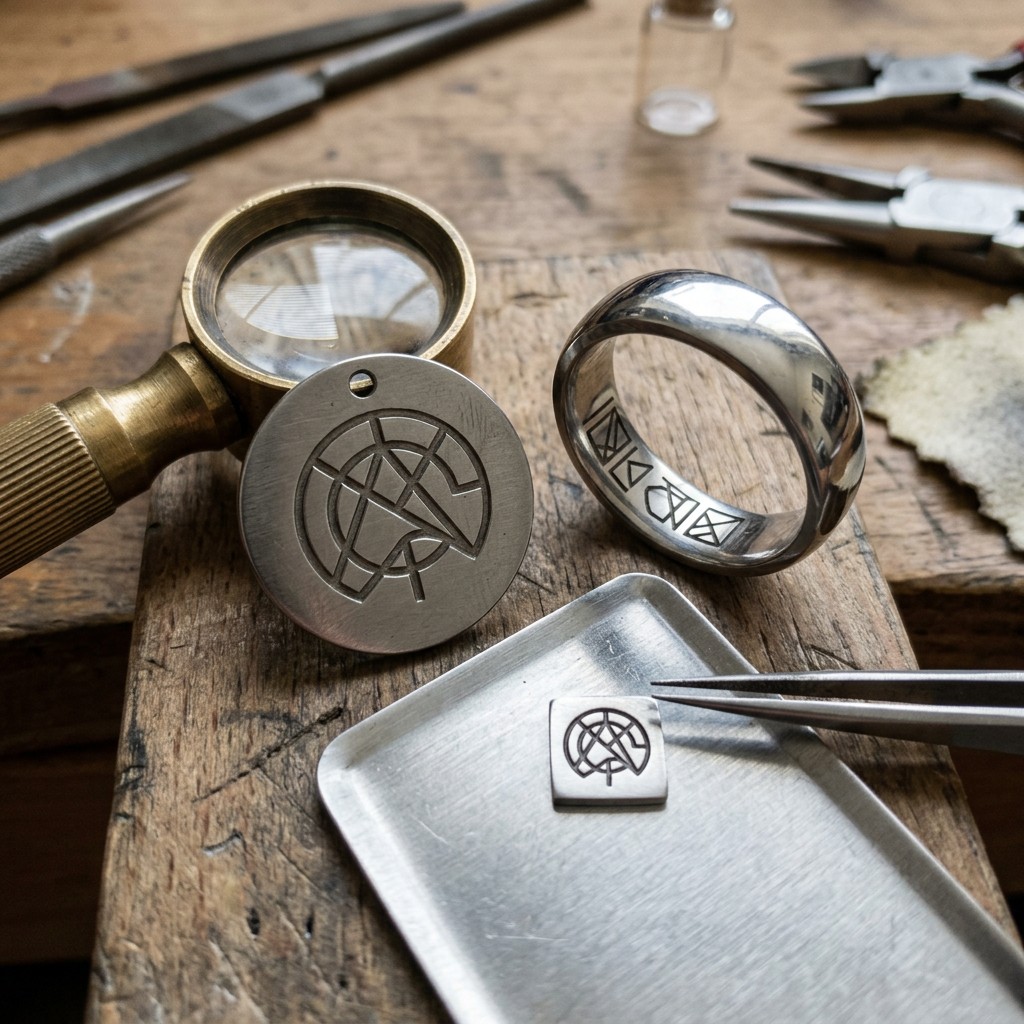
Product Logo Sample
Review laser engraving, etching, stamping, embossed elements, Logo tags, or another confirmed method on the actual product surface. The sample should confirm content, font outline, size, position, direction, safe area, depth, readability, and compatibility with polishing or plating. The buyer must confirm authorization to use all supplied trademarks, fonts, and protected artwork before Chicolink releases the approved branding reference for production.
Jewelry Card Sample
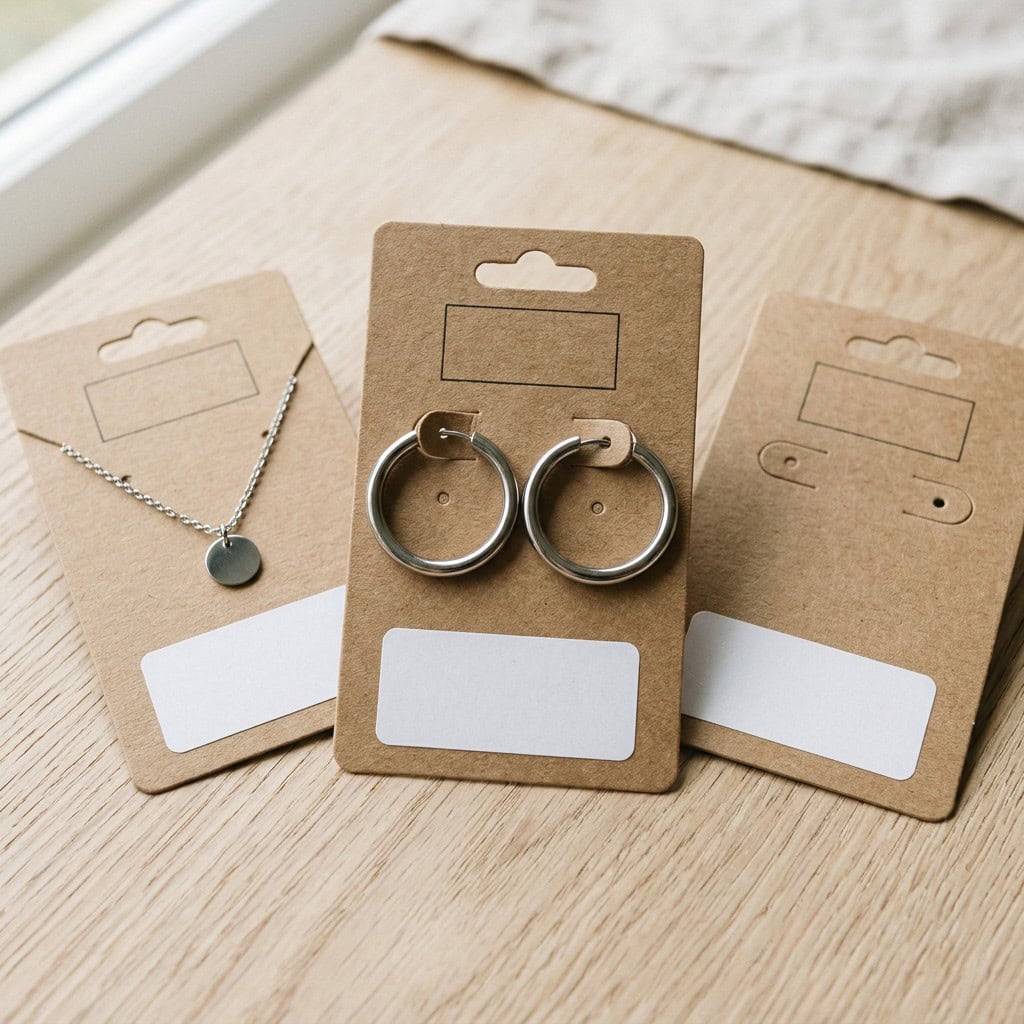
Confirm card material, thickness, dimensions, print color, finish, Logo, holes, slots, product position, set arrangement, barcode, care information, and retail presentation. The sample should also show whether necklaces tangle, earrings bend, heavy pieces tear the card, or product surfaces rub against printed or cut edges during transport, warehouse handling, store display, and final customer delivery across different sales channels worldwide.
Pouch and Box Sample
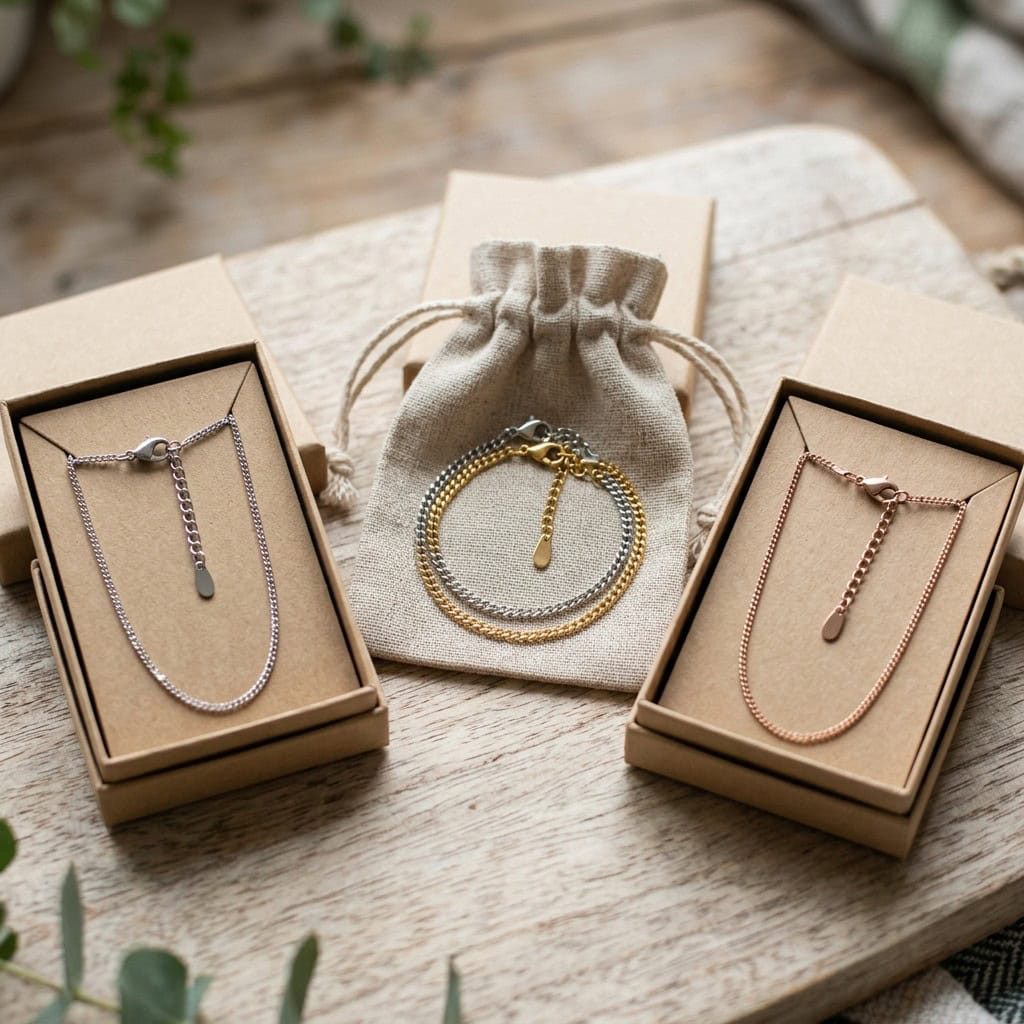
Review pouch fabric, color, dimensions, closure, Logo method, gift-box material, insert, surface finish, printing, product fit, opening experience, and protective performance. A packaging sample should demonstrate how the product is fixed, separated, and oriented, especially for polished surfaces, stones, ear posts, layered chains, sets, and hollow products vulnerable to pressure or movement during international transit, warehouse storage, and retail handling.
Barcode and FBA Sample
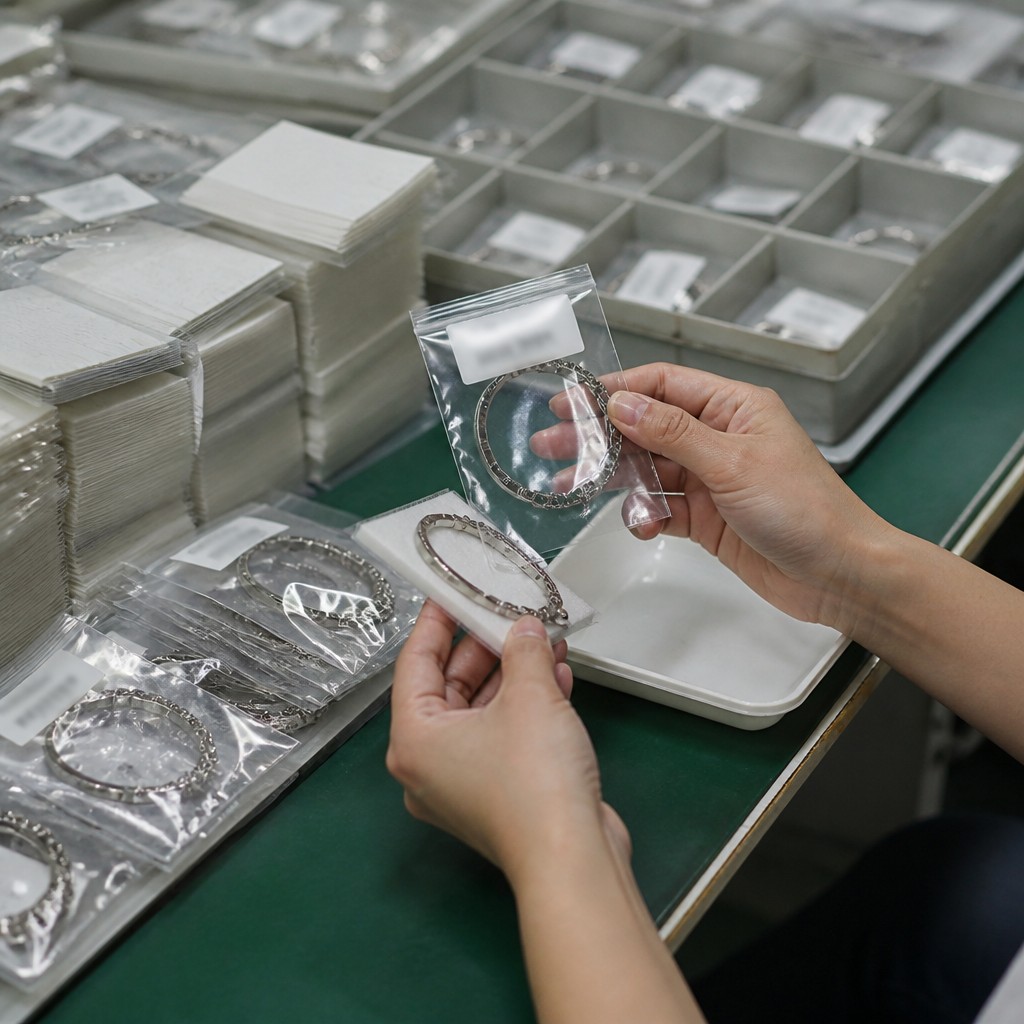
Confirm SKU labels, barcodes, FNSKU where supplied, unit bagging, suffocation warnings where applicable, placement, scan quality, variation identification, outer labels, and packing sequence against the buyer's current platform instructions. Chicolink follows the project files provided by the buyer; platform requirements must be checked against the current marketplace documentation before production and reconfirmed whenever the platform, warehouse, or buyer updates its rules.
Sample Documentation and Compliance Evidence
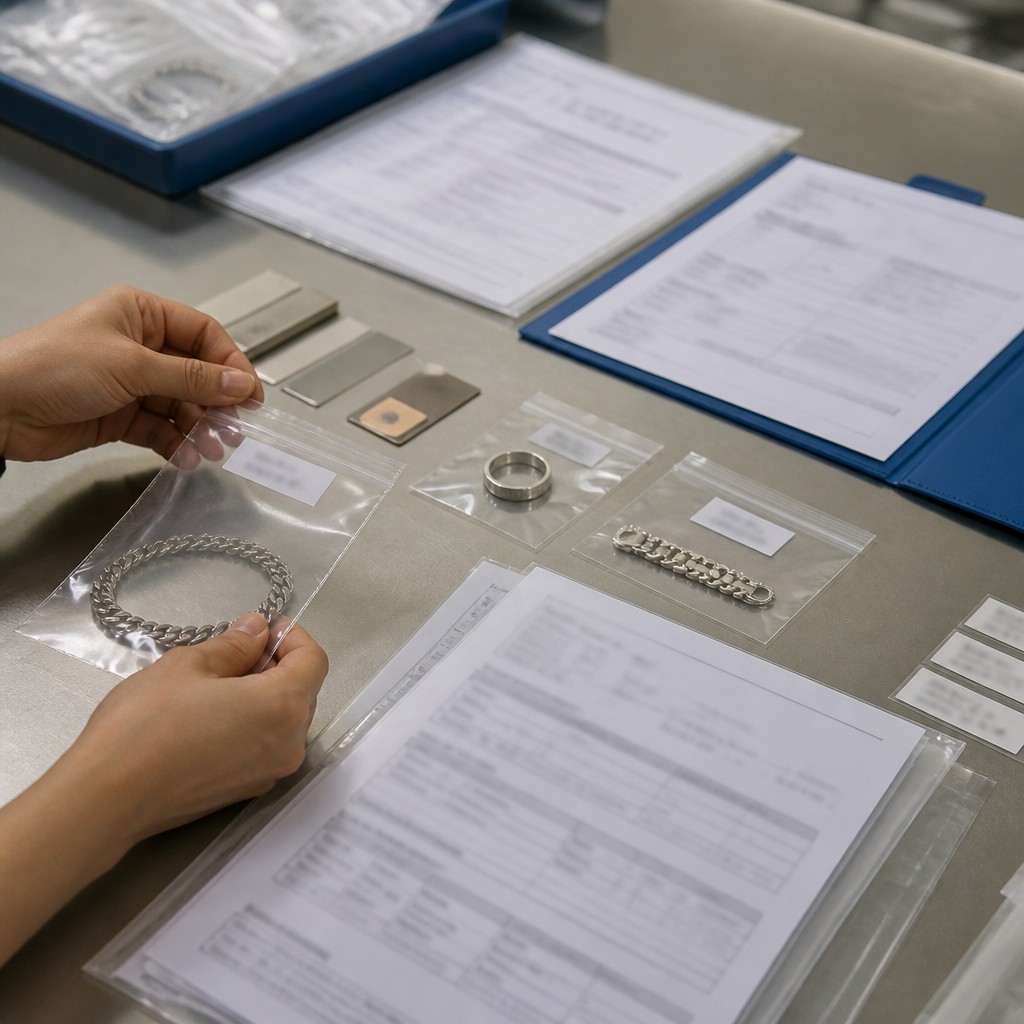
We establish approval records that procurement, engineering, quality, and third-party inspectors can refer to later. We organize project-specific records — design, sample, inspection, testing, packaging, approval, and production transition. Scope is defined by the product, market, and written requirements. Each record identifies what was checked, the method, the sample or batch represented, and the result type — internal, buyer-approved, or laboratory-issued.
Assemble Evidence for Each Decision Owner
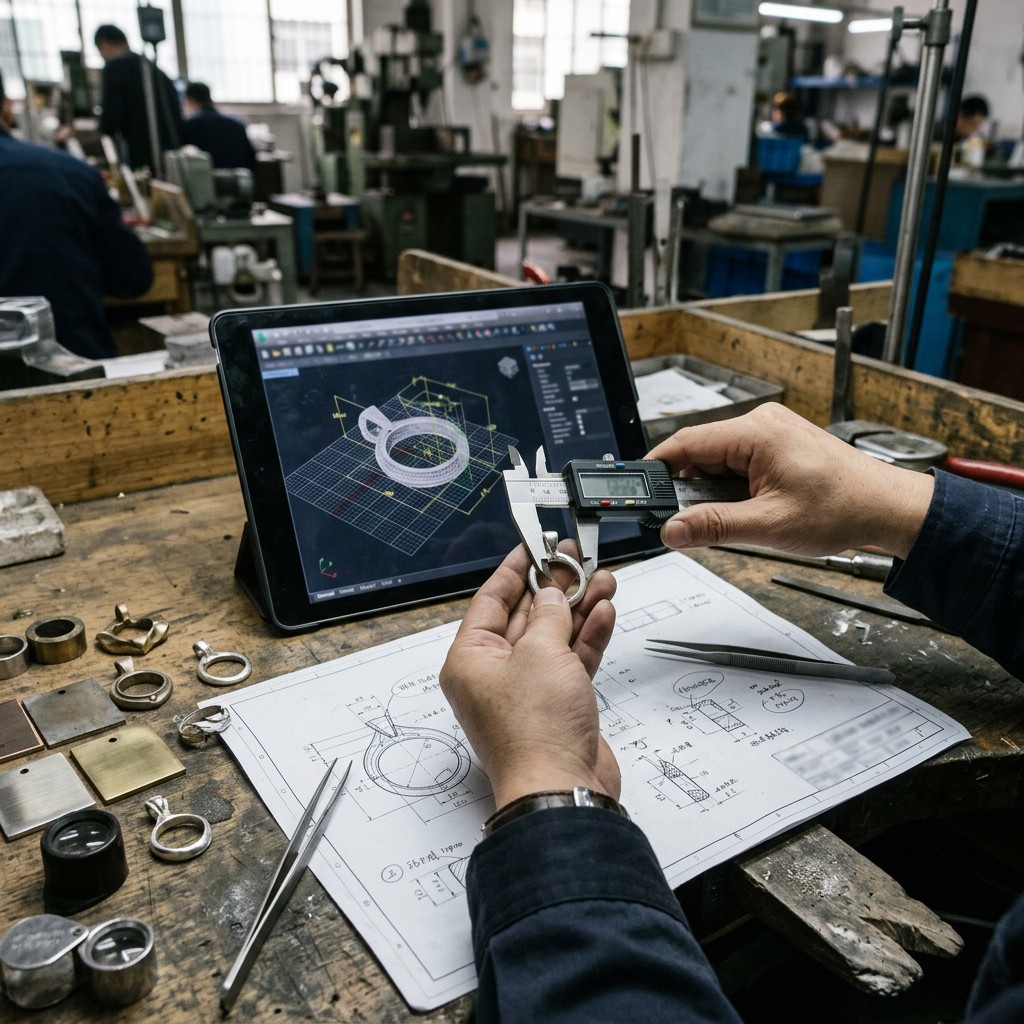
Chicolink structures evidence around each decision owner. An approval summary states the project, status, decisions, open risks, and release recommendation. The engineering section contains active drawings, BOM, manufacturability conclusion, process route, revision history, and exceptions. QC records present criteria, readings, annotated photographs, functional checks, finish comparisons, and nonconformity disposition.
We define the commercial appendix — covering sample scope, tooling ownership, revision terms, MOQ, timing assumptions, shipping responsibility, and any written fee‑credit conditions. We prepare a compliance annex that specifies the market, standard, laboratory, tested sample, result, scope, and limitations. All sections use the same project, SKU, sample, and version identifiers — so procurement, engineering, quality, legal, and logistics teams can review relevant evidence without interpreting one long record. Documentation depth is scaled to project risk and written requirements.
Plan Testing Around Product and Market Requirements
Chicolink can plan applicable REACH, California Proposition 65, EN 1811, EN 12472, lead, cadmium, nickel-related, SGS, HKPC, or buyer-required testing. RoHS is used only within its scope.
A test report applies only to its stated sample, material, color, coating, conditions, and product scope — not to every SKU or order by default. Before testing, we confirm standard version, sample quantity/condition, pre-treatment, lab, cost, timing, measurement points, acceptance criteria, destructive status, and intended decision. Samples destroyed or altered during testing are not shipped as normal goods. This lets us coordinate the correct sample and documentation route.
Record Note
We maintain a single evidence package — using one project, SKU, sample, and version identifier across engineering, quality, commercial, testing, and packaging records. Each document states its owner, issue date, approval status, applicable scope, retention location, and whether it supersedes an earlier record — supporting traceability and consistent record review.
Downloadable Resources
- Jewelry Sample Policy PDF
- Sample Brief Checklist
- Sample Approval Form
- Revision Feedback Template
- Pre-Production Checklist
Jewelry Sample Policy FAQ
These answers summarize the most common questions buyers ask before requesting stainless steel jewelry samples. They clarify cost, timing, revisions, PVD color, approved production references, bulk consistency, and testing support. Final commercial and technical conditions follow the approved quotation, drawings, sample scope, quality requirements, and written agreement for the specific project.
Are Chicolink jewelry samples free?
Sample fees normally apply. Existing-style samples and custom samples use different cost structures. Material, process, tooling, finish, stones, packaging, testing, quantity, and delivery can affect the quotation. Chicolink does not promise free samples as a standard policy. Any approved exception must be confirmed in writing for the specific project.
How much does a custom jewelry sample cost?
There is no single fixed price. Chicolink reviews the design, material, dimensions, process, mold or tooling, polishing, plating, stones, components, Logo, packaging, tests, and delivery before quoting. A scope change after quotation may require a revised cost and schedule.
How long do existing-style samples take?
Existing-style samples normally require 3-7 working days after the SKU, color, quantity, availability, packaging, payment, and delivery information are confirmed. Special finishing, extra inspection, unavailable stock, or multiple variants may change the timing. International transit is separate unless the quotation states otherwise.
How long do OEM/ODM custom samples take?
OEM/ODM custom samples normally require 25-30 working days after the required design and commercial approvals. New tooling, complex structures, special materials, plating trials, stones, packaging samples, testing, revision scope, or delayed buyer feedback may extend the schedule.
Can sample fees be credited to bulk orders?
Sample or mold fee credit is not automatic. Whether a fee can be credited depends on the order value and a written agreement. The applicable amount, production MOQ, payment condition, and project scope should be stated before bulk ordering.
How many sample revisions are included?
Chicolink does not apply one universal revision allowance to every project. The included scope is confirmed in the quotation or written agreement. Changes to material, structure, dimensions, mold, finish, Logo, packaging, testing, or approved files may require additional cost, feasibility review, and lead time.
Can Chicolink match our PVD color reference?
Chicolink can review an approved physical reference, color sample, or defined requirement and complete PVD/IP coating trials on its own PVD equipment under a controlled factory workflow. Final approval should define the reference, surface preparation, coating requirement, viewing or measurement conditions, acceptable variation, and applicable testing.
What is an approved production sample?
The approved sample serves as the authorized physical reference for bulk production and repeat orders — with applicable specifications and approval records.
Does sample approval guarantee bulk consistency?
Approval establishes the reference, not an unconditional guarantee. Chicolink converts the approved sample into project-specific production and inspection controls, while buyer-defined tolerances, acceptance criteria, and permitted deviations remain documented. Consistency depends on maintaining the approved specification and controlling later changes.
Can Chicolink support EU and US testing?
We coordinate material, nickel, lead, cadmium, plating, and third-party testing based on product and market. We confirm standard, lab, sample scope, material, color, conditions, cost, timing, and report scope before testing. so the test is aligned with project needs.