Stainless Steel Jewelry Production Process
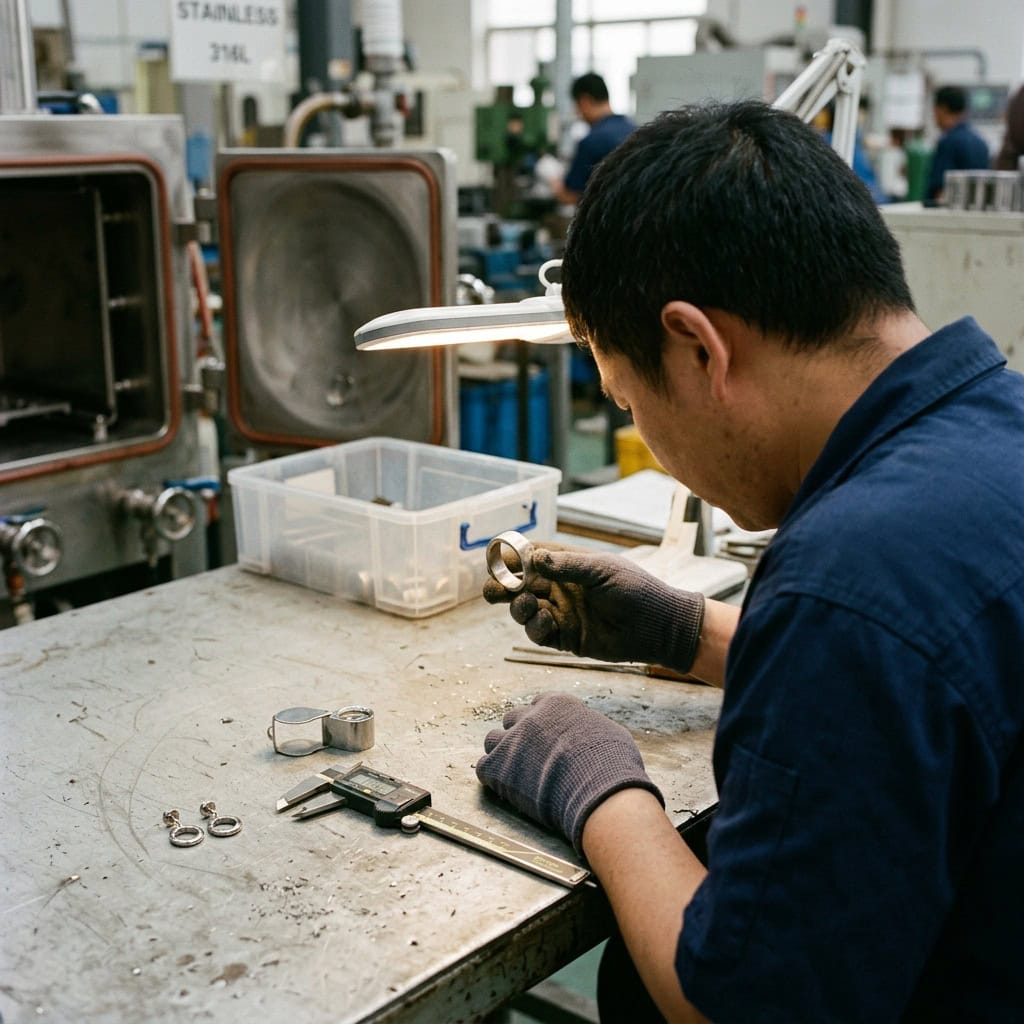
Chicolink manages stainless steel jewelry production from inquiry review, DFM, sampling, material preparation, forming, polishing, PVD/IP color, laser engraving, assembly, QC, packaging, and shipment. The process below shows how product requirements become confirmed sample references, production records, inspection checkpoints, packaging versions, and export-ready orders.
- About 95% of core processes are completed internally.
- Existing-style samples usually take about 3-7 working days.
- OEM/ODM samples usually take about 25-30 working days.
- Custom bulk production usually takes about 25-45 working days.
How Stainless Steel Jewelry Moves Through Chicolink
Each production order needs clear product information, confirmed sample references, controlled processes, quality checks, packaging records, and shipment details. Chicolink uses this workflow to turn jewelry requirements into production-ready specifications, approved production samples, process records, packing instructions, and shipment preparation.
04
Sample Plan
The sample plan confirms whether the project uses an existing-style sample, new custom sample, color sample, logo sample, packaging sample, or engineering feasibility sample. This keeps the first sample tied to the real production route.
03
Quotation And DFM
Quotation is based on material, process, quantity, packaging, testing, and delivery method. Engineering can review manufacturability, dimensions, thickness, structure, polishing access, PVD risk, engraving position, and packaging feasibility.
02
Requirement Confirmation
Sales and project teams confirm SKU, dimensions, color, material grade, PVD/IP direction, packaging files, label files, testing needs, inspection needs, and trade terms. This step turns a broad idea into reviewable order information.
01
Inquiry Receipt
The customer shares product image, reference link, drawing, sample, target quantity, material, color, size, logo, packaging, target market, delivery requirement, and shipping route. Complete inputs help Chicolink identify the production path and quotation scope.
08
Forming And Workshop Production
The selected route can include laser cutting, stamping, casting, CNC, bending, drilling, welding, polishing, PVD/IP, engraving, stone setting, and assembly. First-piece checks and process patrol help keep the route aligned with the approved production sample.
07
Material And Component Preparation
Stainless steel materials, chains, stones, clasps, glue, packaging materials, barcode files, and customer-supplied parts are checked against the order requirement. Batch information is linked to production and inspection records.
06
Final Production Confirmation
Bulk production starts after product specification, sample, quantity, material, PVD color, packaging files, label data, testing, payment terms, and shipment route are confirmed. Changes after this point require cost and timing review.
05
Sample Approval
Sample photos, measurement notes, color references, packaging versions, and customer feedback are organized before bulk planning. For repeat or custom orders, the approved production sample becomes the reference for production and inspection.
12
After-Sales Records
After shipment, project records, sample versions, production batches, QC files, packaging versions, carton information, and complaint follow-up data support repeat orders, replenishment planning, and corrective action when needed.
11
Packaging And Shipment
Products are cleaned, packed, labeled, scanned, cartonized, photographed, and prepared with packing lists, carton marks, shipment files, and logistics coordination according to the confirmed order terms.
10
In-Process And Final QC
QC checkpoints can cover dimensions, surface, color, logo position, clasp function, stone retention, assembly, packaging first piece, barcode matching, FQC/OQC, and third-party inspection coordination when required.
09
Surface And Custom Details
Surface preparation, PVD/IP color, laser engraving, CNC engraving, stamping, color filling, enamel, stone setting, and other custom details are handled according to the sample, artwork, and order requirement.
RFQ And DFM Review Before Production
Before a stainless steel jewelry product enters sampling or bulk production, Chicolink reviews whether the design, material, size, surface treatment, logo, stones, assembly, packaging, testing, and delivery requirement can be produced with a stable process route.
Manufacturability Review
DFM can check wall thickness, edge radius, hole size, chain and clasp structure, hinge gap, stone position, polishing access, PVD hanging point, engraving area, assembly gap, and packaging protection. For early review, common non-plating references can include decorative-size tolerances around +/-0.10-0.30 mm by product size, laser text line width around 0.15-0.25 mm, and casting wall thickness around 0.8-1.2 mm where the structure allows.
Product Information
Useful RFQ details include product type, photos, drawings, CAD, physical sample, size, thickness, chain length, ring size, bangle diameter, material grade, color, surface finish, logo file, stone or component details, quantity, packaging, target market, testing request, and delivery date.
Production Specification
Chicolink reviews product requirements and converts them into drawings, BOM, sample versions, material specs, process flows, packaging versions, inspection points, and shipment details, so that samples and bulk orders remain directly comparable.
Process Risk
Chicolink verifies casting shrinkage, stamping burrs, CNC marks, welding marks, polishing loss, PVD marks, color variation, glue compatibility, stone loss, packaging scratches, and label changes, then aligns controls with the product route to prevent rework.
Choosing The Right Jewelry Manufacturing Route
Stainless steel jewelry is not produced by one universal method. Chicolink selects the route according to product structure, quantity, surface requirement, cost target, tooling need, and sample timing.
Process Route | Suitable Jewelry Products | Starting Review References | Production Value |
Laser cutting + bending / welding | flat pendants, name plates, thin sheet earrings, geometric pieces | Common sheet review range 0.3-3.0 mm; small text and bridges need trial cutting, edge finishing, and heat-distortion review. | Fast development and lower tooling pressure for flat or thin structures. |
Stamping / hydraulic forming | flat or curved plates, shell forms, repeated thin-wall parts | Hole diameter often starts from >=1.0t; burr control, springback, tool version, first-piece checks, and patrol frequency need planning. | Better consistency for repeat structures when tooling is justified. |
CNC machining | rings, precision clasps, solid geometric parts, complex holes or slots | General small-part CNC dimensions can start around +/-0.05 mm; datum, tool marks, fixture position, and deburring need review. | Useful for precise structures and flexible revision, with higher machining time. |
Lost-wax / casting route | 3D pendants, textured items, stone-setting parts, complex relief details | Continuous wall thickness can start around 0.8-1.2 mm; shrinkage, porosity, sprue marks, and polishing allowance need review. | Supports more complex 3D shapes when surface cleanup and QC are managed. |
Welding / assembly route | jump rings, chains, clasp connections, pendant loops, bangle hinges | Joint gap can start around <=0.05-0.10 mm for review; weld position, heat effect, polishing, pull, and function checks matter. | Keeps structure and function stable when connection points carry load. |
Polishing and surface route | mirror, high polish, brushed, matte, sandblast, PVD/IP pieces | Surface defects, polishing access, edge comfort, PVD hanging position, cleaning, and packaging contact affect the final appearance. | Defines the final appearance and prepares the product for color, logo, and packing. |
Sample Development And Final Approval
Sampling connects design intention with real stainless steel jewelry production. Chicolink can prepare existing-style samples, OEM/ODM samples, color samples, logo samples, packaging samples, and final approved production samples according to product path and order requirement.
Existing-Style Samples
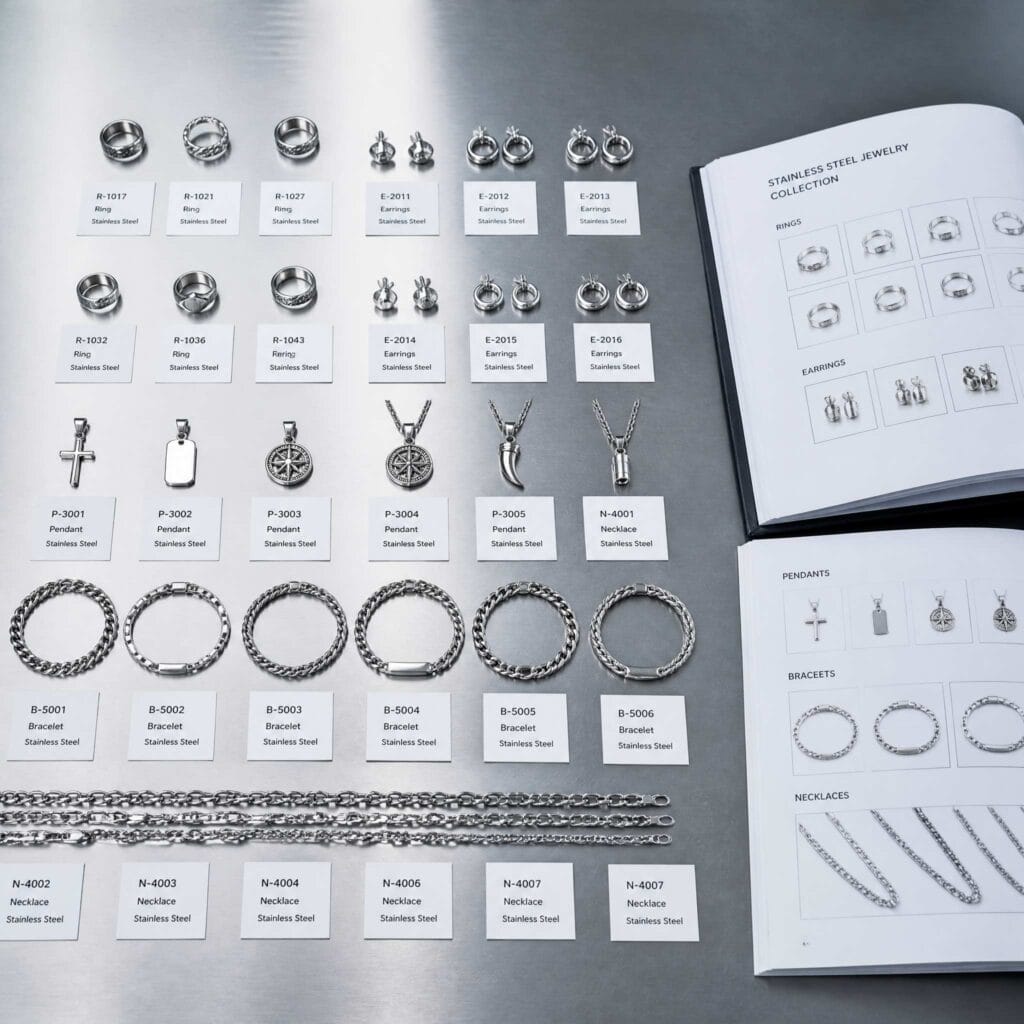
Existing-style samples usually take about 3-7 working days after details and availability are confirmed. This path is useful for wholesale selection, catalog review, product-photo comparison, packaging discussion, and first material or finish evaluation.
OEM/ODM Custom Samples
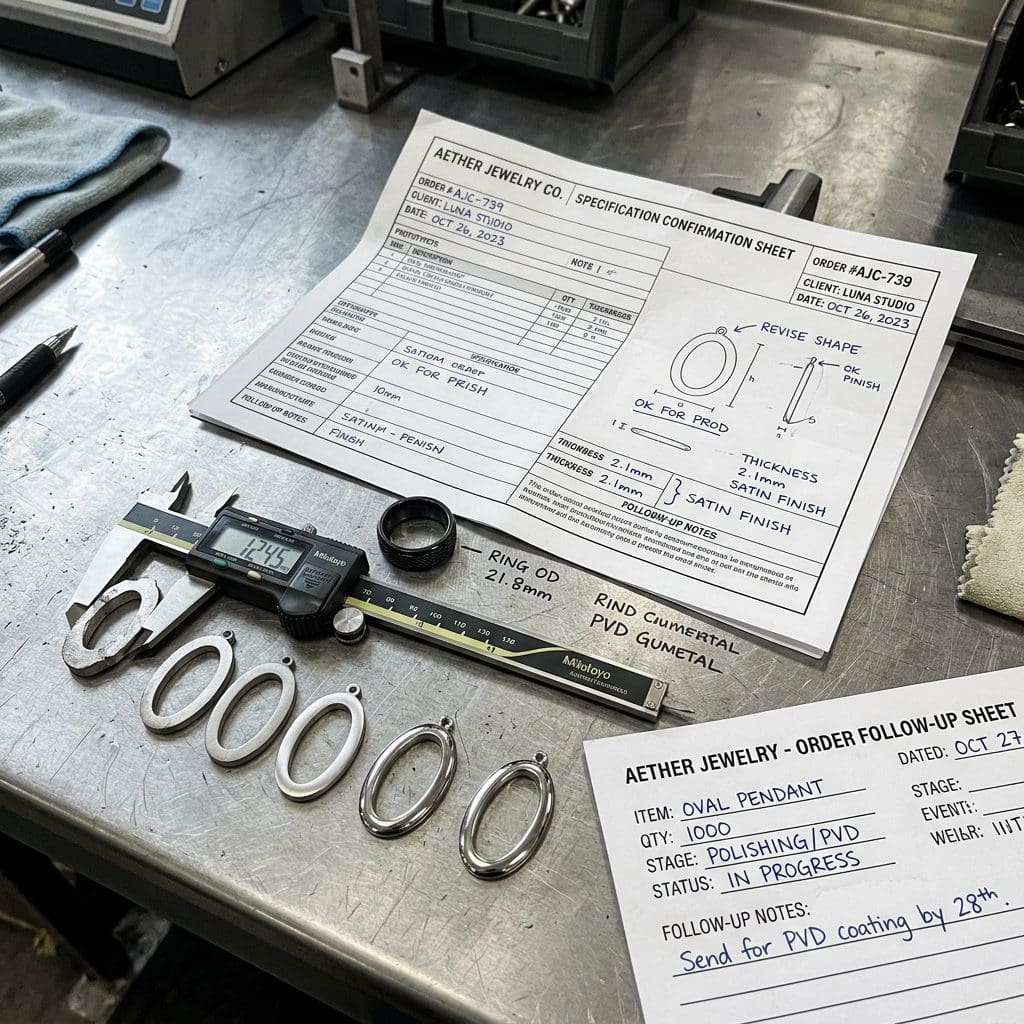
OEM/ODM custom samples usually take about 25-30 working days after complete project details are confirmed. Timing depends on drawing quality, product structure, tooling, PVD/IP color, logo method, stone or component details, packaging sample, and testing requirement.
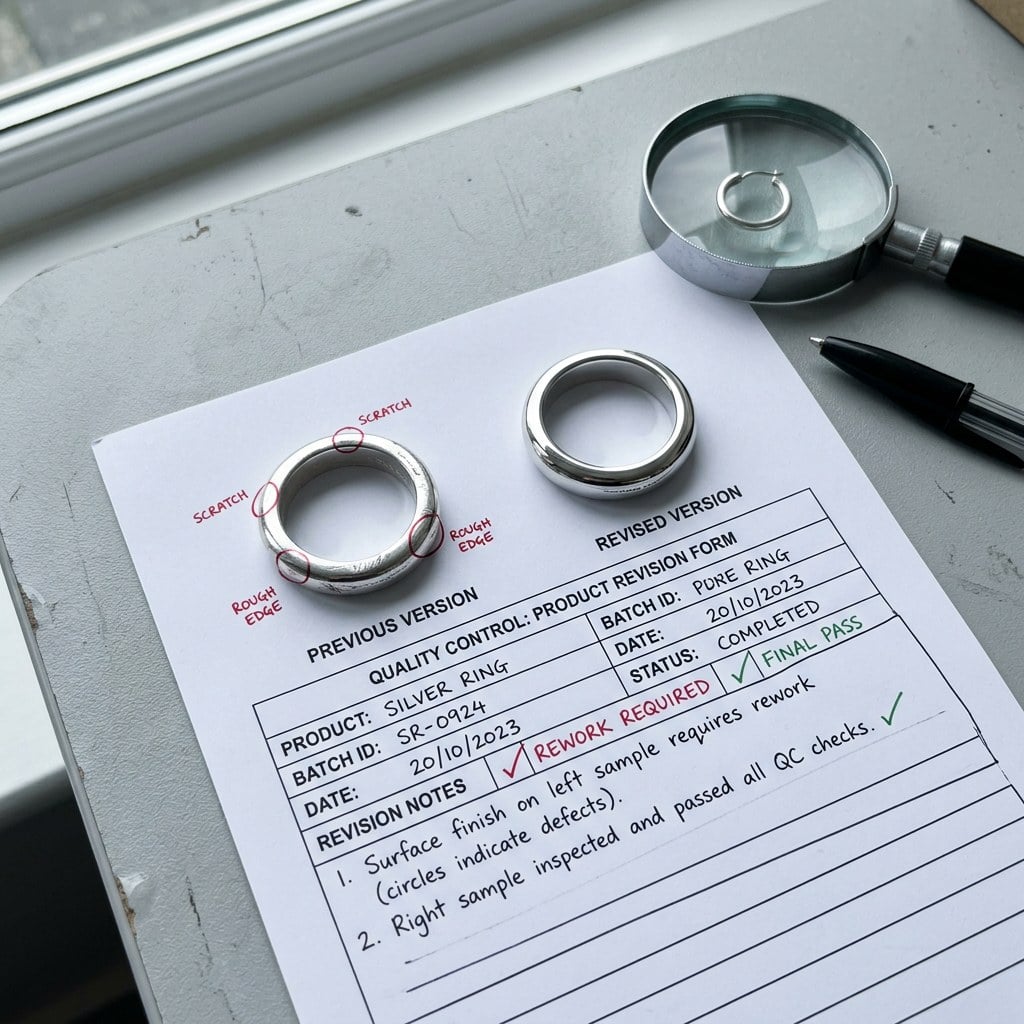
Sample Revision
Revision feedback should identify size, color, logo, structure, function, stone, surface, packaging, or label changes. Chicolink organizes revision details before the next sample or adjustment so the next version solves a clear issue.
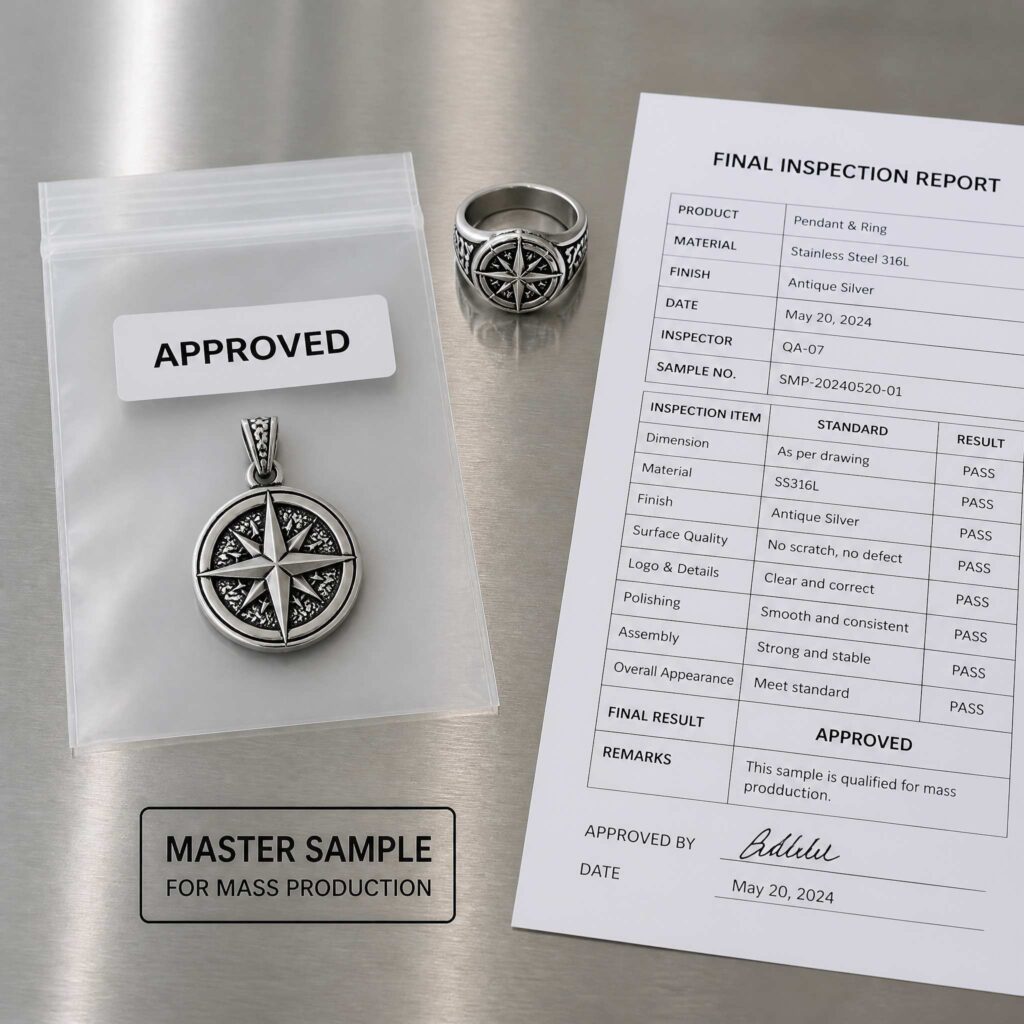
Final Approved Sample
The final approved sample can define product appearance, size, PVD color, surface finish, logo position, packaging version, and inspection direction. For repeat orders, Chicolink uses the approved production sample and records as a comparison reference.
How Chicolink Builds The Right Process Chain
Chicolink does not treat jewelry production as a single finishing step. The team checks how the style is made, where the metal will flow, where polish access is needed, how much weight can be removed, and which route will keep the final piece clean, wearable, and cost-balanced.
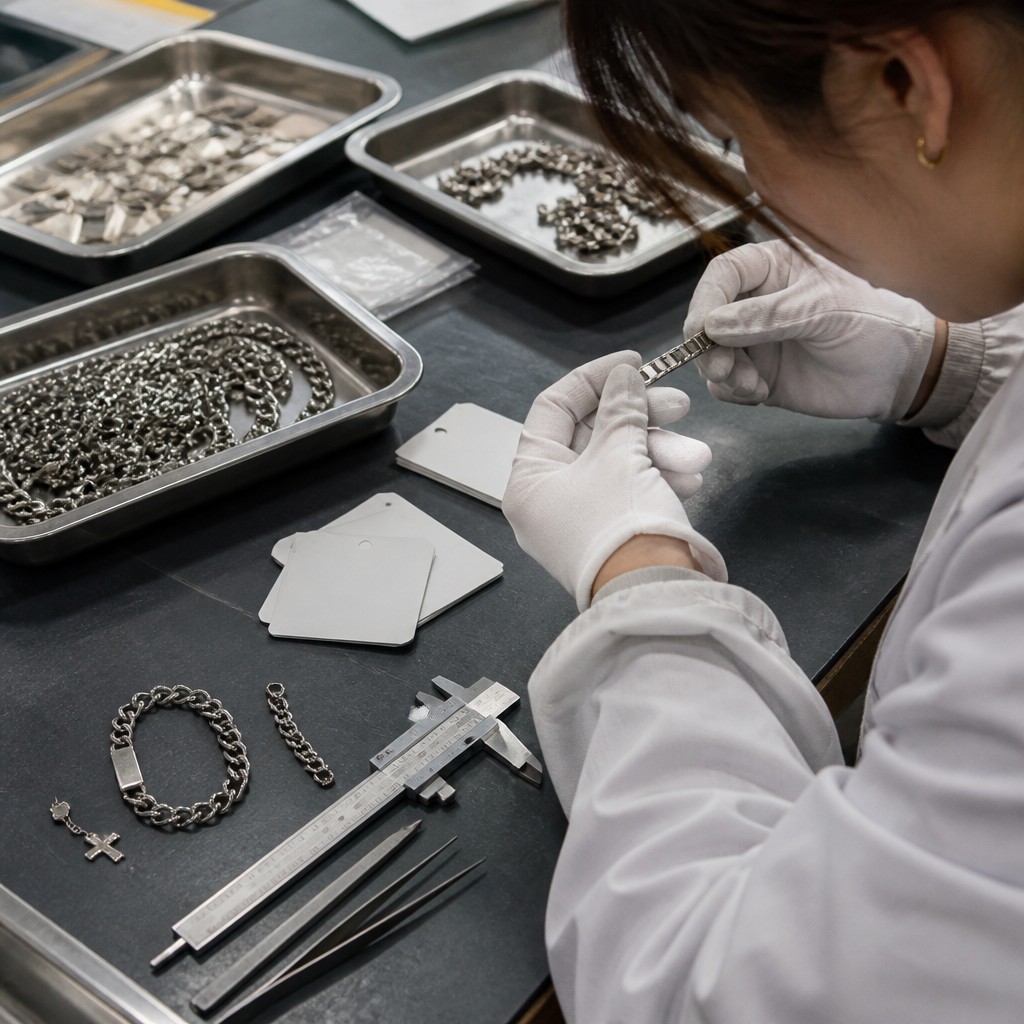
Material, Master, And Route Check
- 304, 316L, and 201 are reviewed together with thickness, hardness, bend radius, and finishing access, because the most suitable route is not always the hardest grade.
- For cast or relief styles, Chicolink can start from a copper master plate, resin master, or 3D prototype so the surface, depth, and line feel are clear before the mold is opened.
- The early review protects later steps by matching the material to the route instead of forcing the route to follow the material.
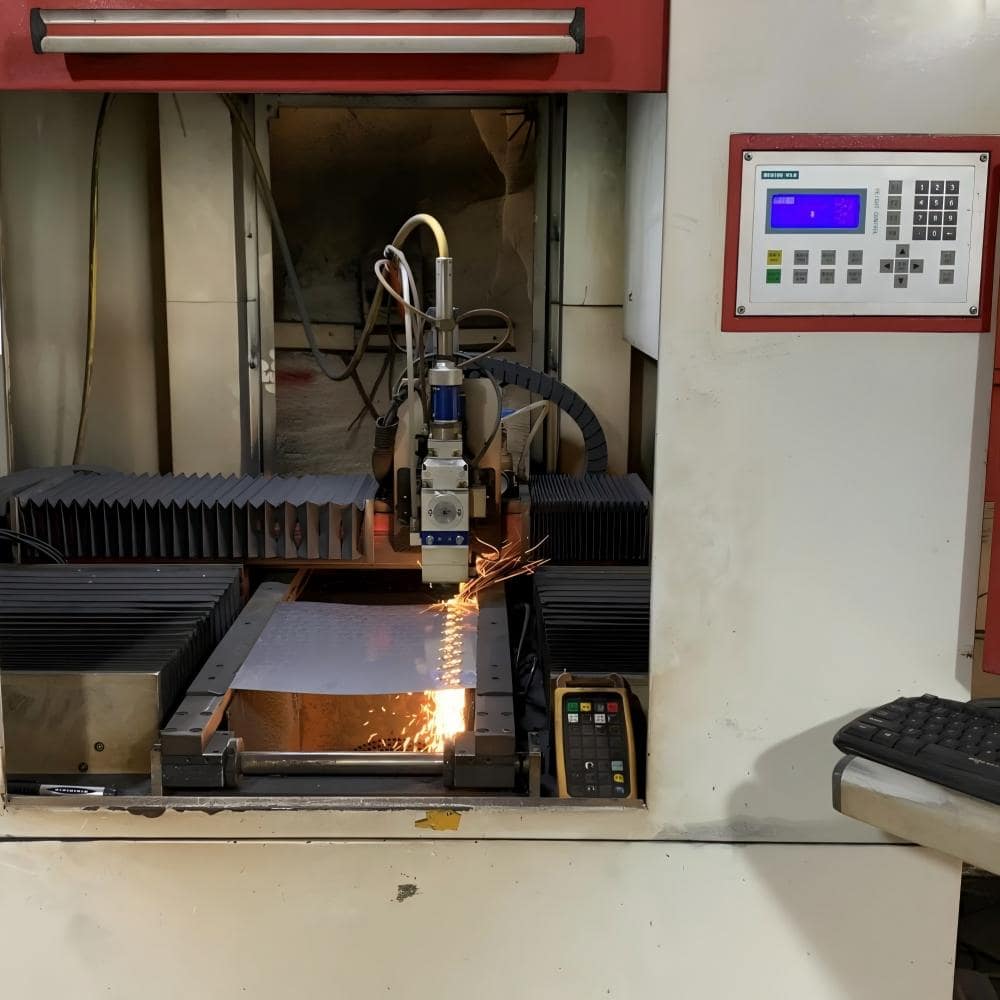
Laser And Sheet Cutting
- Flat pendants, nameplates, thin charms, and geometric parts often suit laser cutting because the outline stays clean and light.
- Sheet thickness, kerf compensation, and minimum inner radius are checked before cutting so the edge will not burn wide, warp, or lose detail.
- After cutting, deburring, edge rounding, and surface preparation are controlled to improve wearing comfort and reduce sharp-edge, burr, and finishing defects.
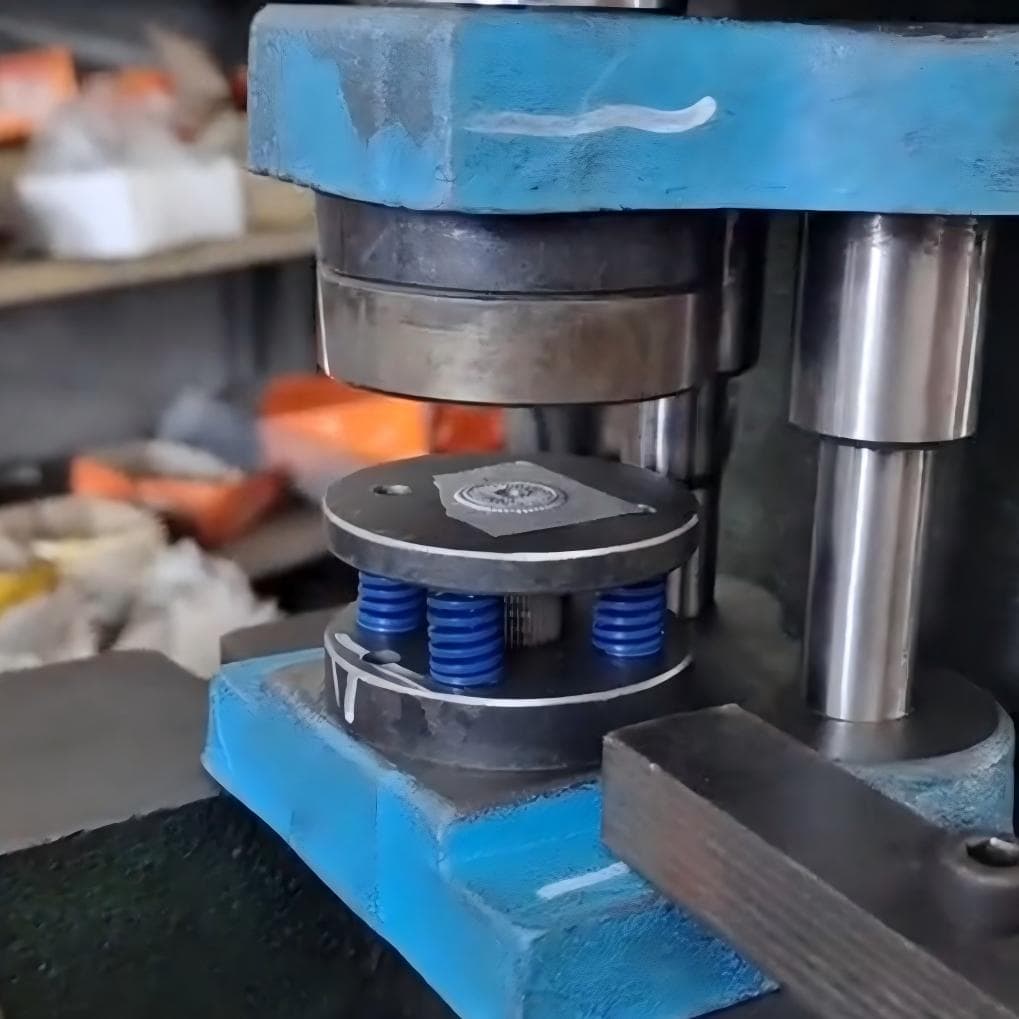
Stamping And Hydraulic Forming
- Curved shells, domed parts, and repeat styles may move into stamping or hydraulic forming when the shape needs speed and consistency.
- Trial mold checks springback, wrinkling, thinning, and whether the hidden side still has enough material after forming.
- If a style needs a sharper shell or stronger body, Chicolink may add trimming, reshaping, or welding instead of forcing one press step to do everything.
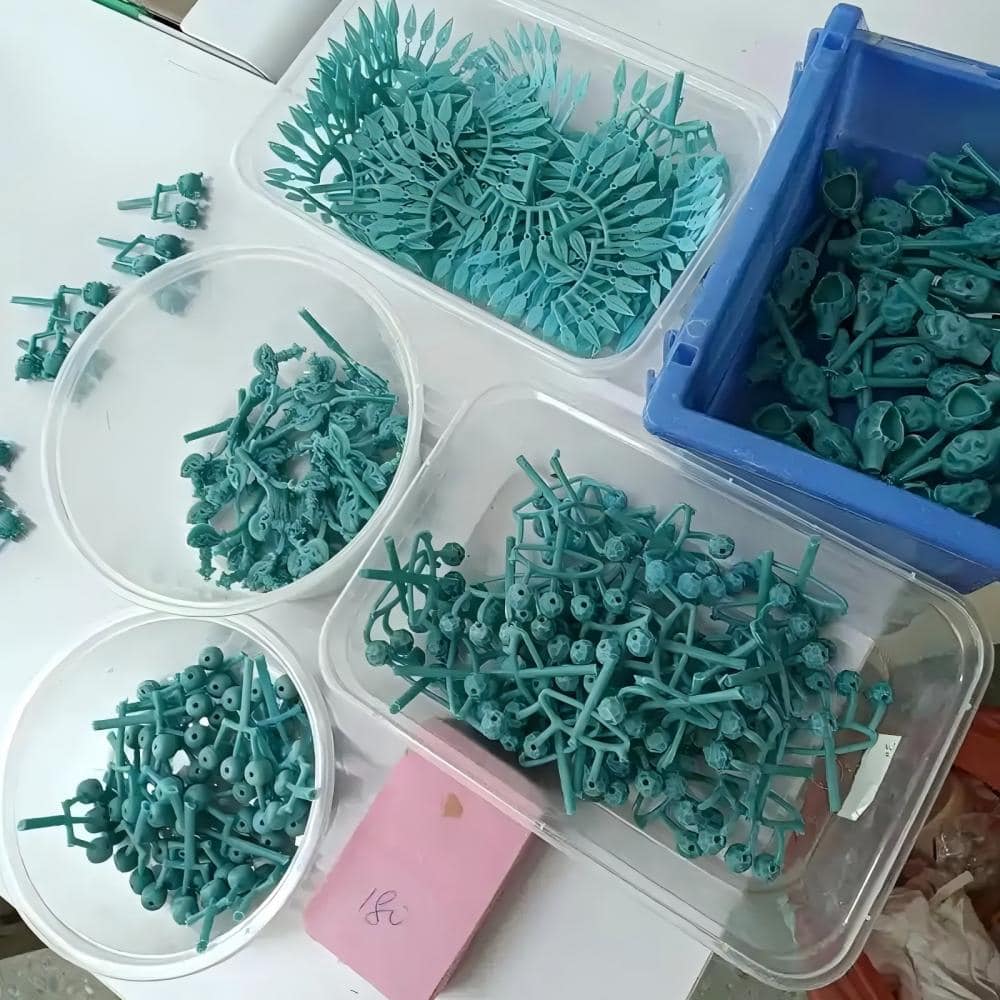
Rubber Mold, Wax, And Wax Tree
- For lost-wax casting, the route usually moves from the copper master plate or resin master to a rubber mold or aluminum mold, then to wax injection.
- Wax repair keeps fine lines, stone seats, and small relief details clean before the wax tree is built.
- Wax tree assembly is not just a production habit; gate position and tree balance affect how the metal fills, where shrinkage appears, and how much cleanup will be needed later.
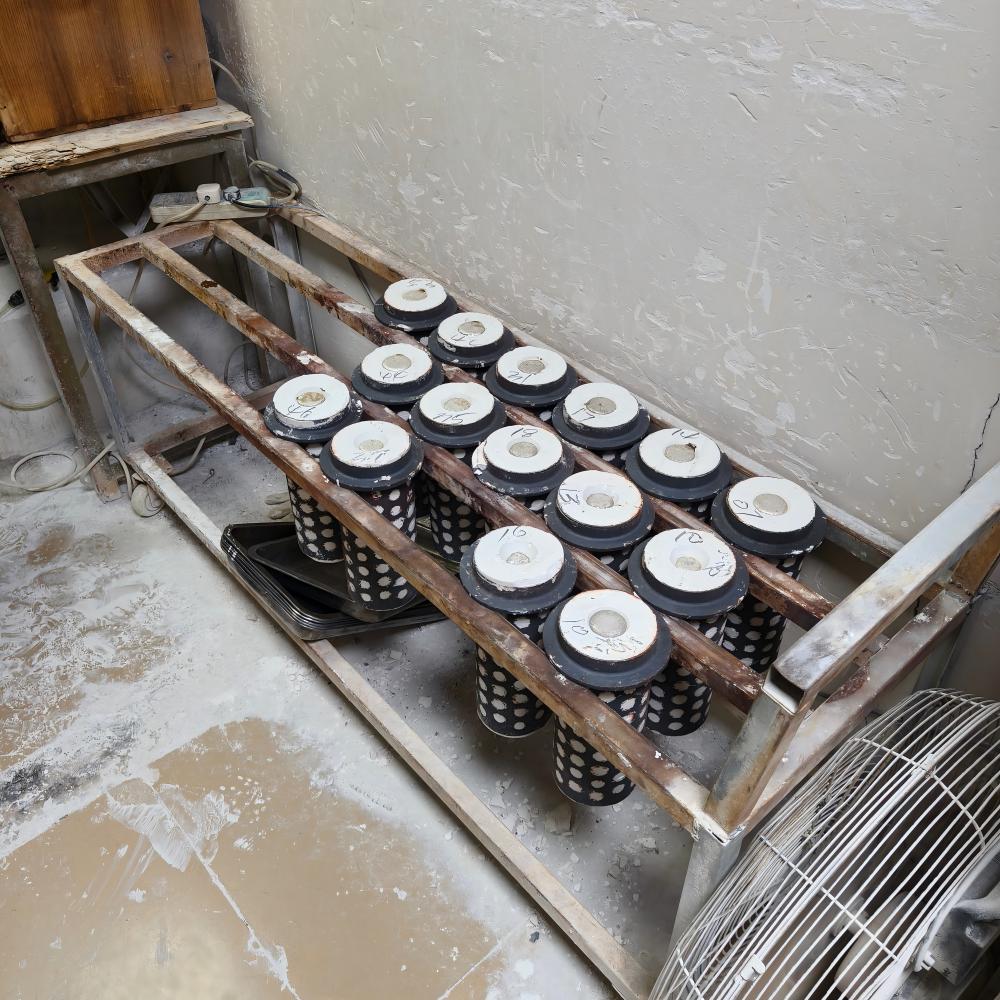
Shell Making, Dewaxing, And Pouring
- The wax tree goes through shell making, dewaxing, and sintering before melting and pouring.
- Shrinkage, porosity, cold shut, and surface pitting are checked against the style, because some designs need more cleanup space than others.
- After casting, sprue cutting and rough grinding remove the feed points while leaving enough stock for later hand finishing and polishing.
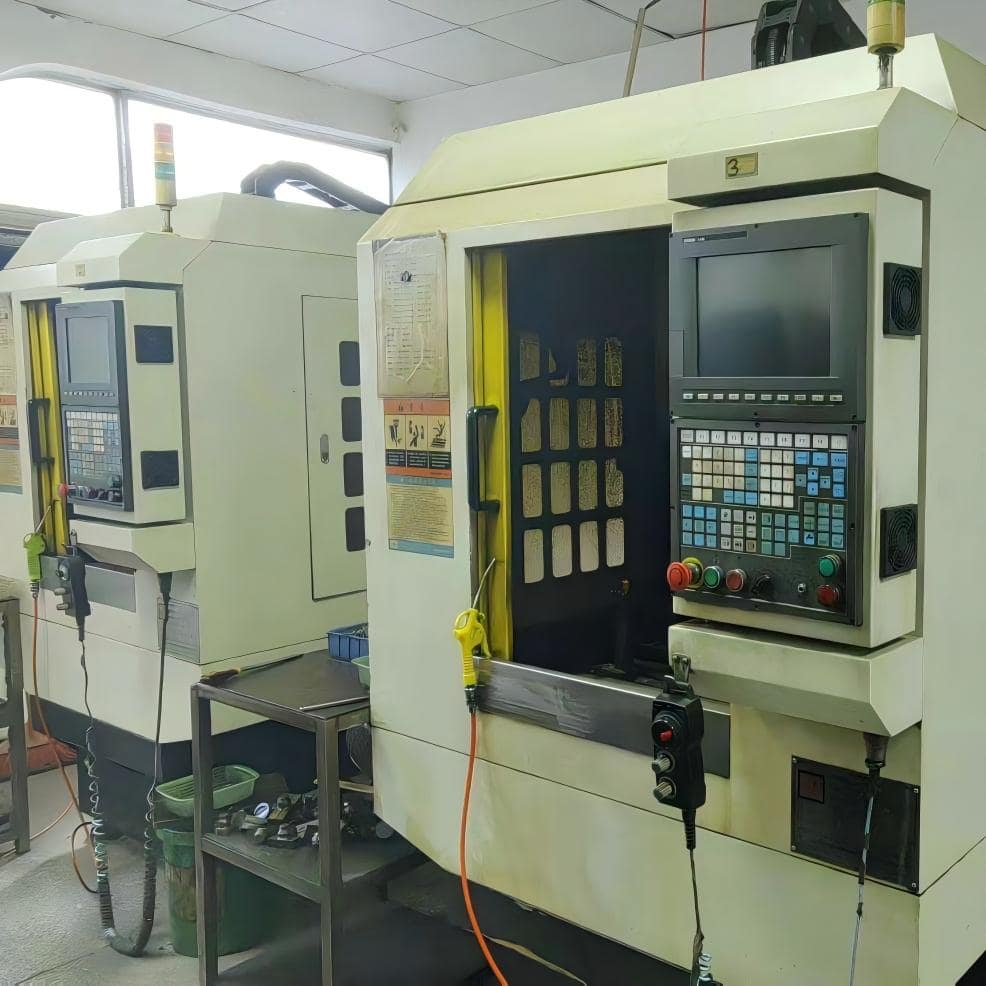
CNC, Welding, And Reshaping
- CNC is used where datum, hole position, wall thickness, or symmetry need tighter control than forming alone can deliver.
- Weld repair and reshaping help connect mixed structures, close seams, and recover the line before the surface finish stage.
- For multi-part jewelry, Chicolink checks the assembly order early so the final product does not look clean on paper but awkward in the hand.
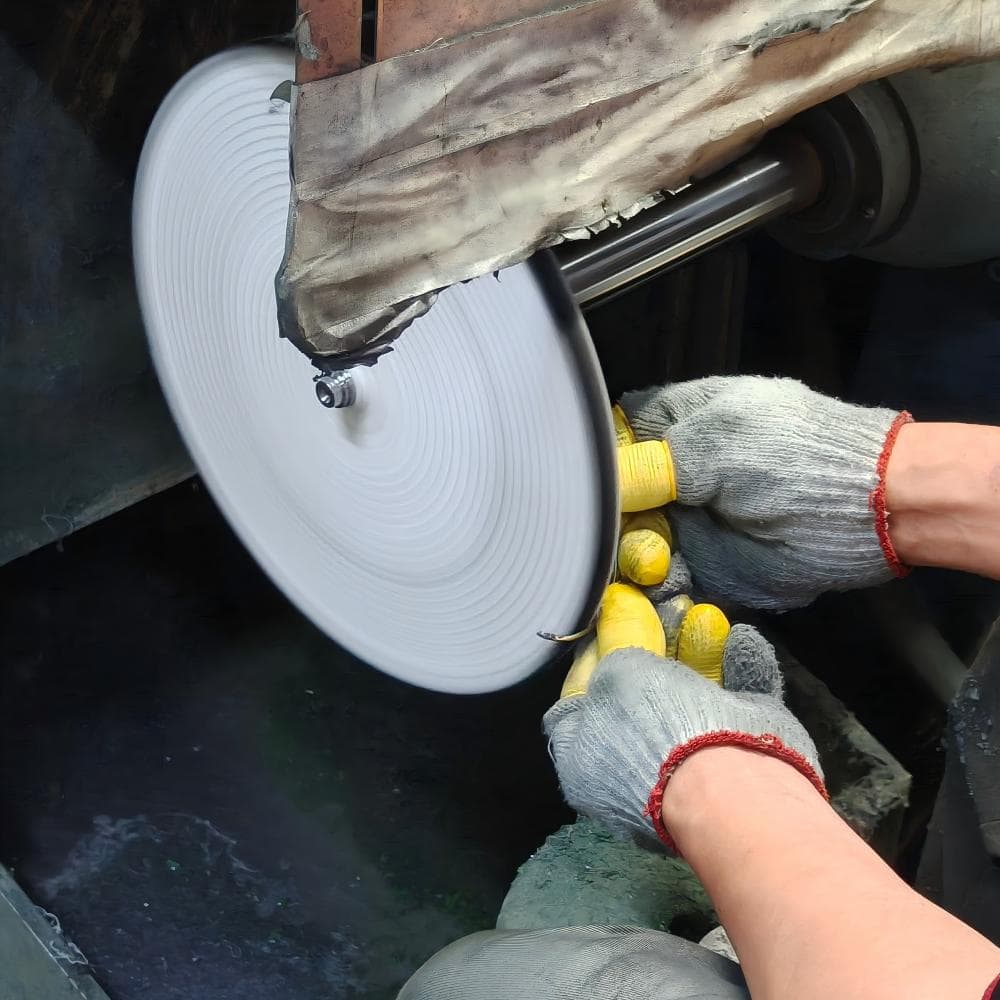
Polishing, Finish, And Color
- Polishing access is reviewed before production because deep grooves, inner curves, and narrow corners can hide waves or tool marks.
- Mirror, brushed, matte, sandblast, and PVD/IP all change how the piece reads in light and how much fixture, hanging, or masking planning is needed.
- Surface prep before color helps the tone stay even and keeps scratches from reappearing after packing or transport.
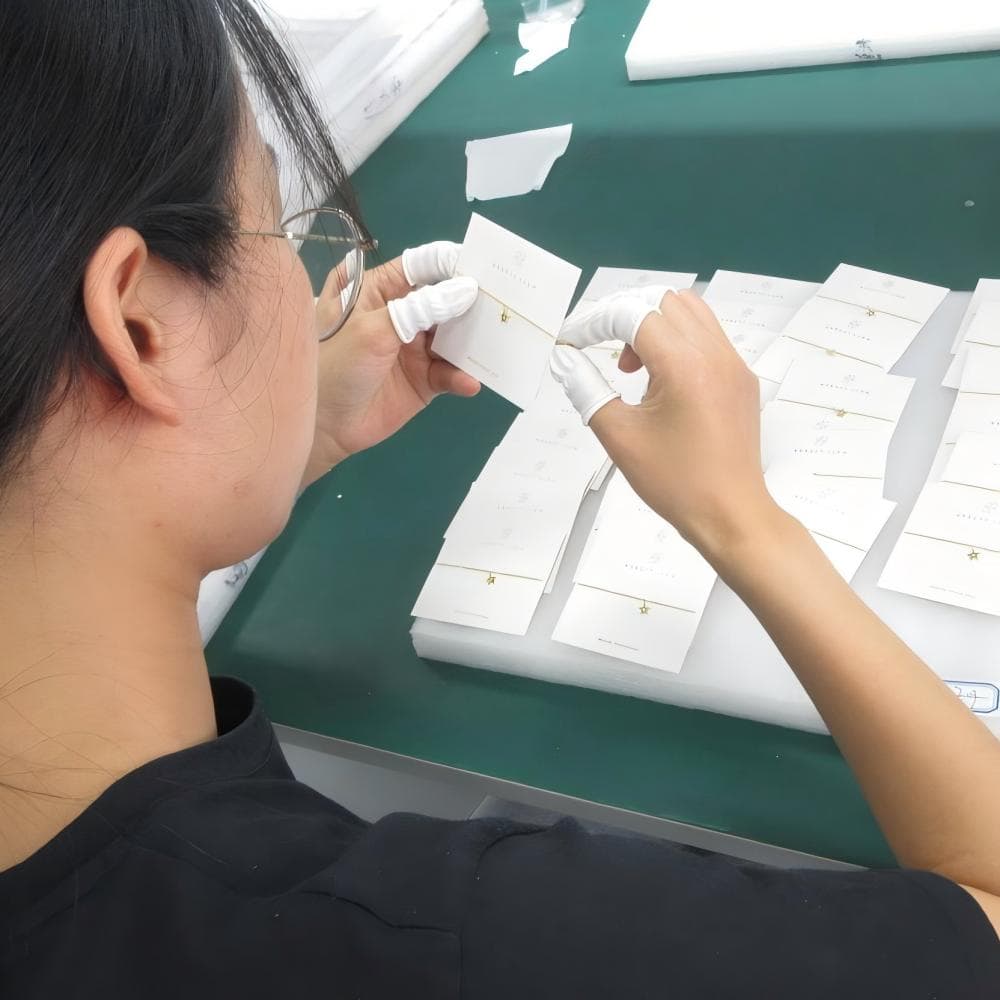
Assembly, Comfort, And Packing
- Clasps, hinges, joints, stone settings, and pair direction are checked as part of the workshop flow, not only at final inspection.
- Inner curves, skin-contact edges, and weight balance are reviewed so the piece feels comfortable, stable, and easy to wear.
- Packaging first piece confirms the pouch, card, or box will protect the finish without rubbing the shape or compressing a delicate detail.
Bulk Planning After Final Confirmation
Bulk production works better when the final product details, approved production sample, packaging, label, testing, and shipment plan are confirmed before scheduling. Chicolink uses those details to reduce late redesigns, packaging mismatch, and timing drift.
Packaging And Label Details
Packaging should confirm card, pouch, box, OPP or PE bag, protective film, care card, insert, SKU label, barcode, FNSKU, carton mark, packaging BOM, packing matrix, and carton requirements.
Final Product Details
Final product details should confirm SKU, drawing, sample version, size, material, PVD/IP color, surface finish, logo, stone or component details, quantity, and inspection requirements. These details become the production and QC reference.
Planning Reference
Existing-style bulk production usually takes about 20-30 working days after order confirmation. OEM/ODM custom bulk production usually takes about 25-45 working days after sample approval and final production details confirmation. After final confirmation, Chicolink can plan confirmed orders around an OTD control reference of >=95.0% and OTIF reference of >=93.0%.
Testing And Shipment Details
Testing needs, third-party inspection, AQL level, defect definitions, customer standard, sample retention, photo requirements, and pre-shipment report scope should be confirmed before production or packing.
How Chicolink Keeps Production On Track
An order stays easier to control when the approved sample, production route, and batch records move together. Chicolink uses first-piece checks, patrol checks, batch records, and packaging review to keep appearance, fit, and delivery closer to the agreed version.
Batch Records
Batch records can include order number, SKU, sample version, material batch, production batch, PVD color or batch, packaging version, QC record, inspection date, carton number, and shipment batch. These records help connect a finished product back to the production route.
First Piece And Patrol
First-piece checks can review dimensions, shape, holes, burrs, surface, welding, logo position, stone fit, assembly, function, and packaging. Rings, bangles, chains, and earrings do not fail in the same way,we define inspection priorities by product type and production route.
Corrective Action
If production or shipment feedback shows a problem, records help identify whether the cause relates to design, material, process, packaging, shipment, or use condition. Chicolink can use complaint review and 8D support for major confirmed issues when required.
Change Control
Material, material provider, mold, structure, PVD color, logo, packaging, label, and process changes should be reviewed when they affect approved specifications. Changes after final production details are confirmed may require a new sample check, cost review, timing review, or written approval.
Packaging And Shipment Details
Finished jewelry still needs the right packaging, label, carton, and shipment records before it leaves the factory. Chicolink aligns packaging with product shape, surface sensitivity, and channel requirement so the order arrives ready for warehouse or shelf receiving.
Label And Carton Control
SKU, barcode, FNSKU, UPC/EAN, QR, set code, carton number, PO, destination, and quantity should match approved label data and packing matrix. Barcode label/data mismatch target is <=100 PPM, and shipment-stopping wrong-label target is 0 for controlled label projects.
Packaging Preparation
Packaging can include jewelry cards, OPP/PE bags, anti-oxidation bags, velvet pouches, gift boxes, logo boxes, care cards, inserts, SKU labels, barcode labels, FNSKU labels, carton marks, and protective packing. Packaging first piece confirms product-to-package fit before line packing.
Export Coordination
We can ship under EXW, FOB, FCA, or DDP terms via courier, air, sea, or rail as required. Appointed forwarders, split shipments, and multi‑address deliveries can be arranged. Before any carton is sealed, we confirm the route table, carton labels, and packing records.
Shipment Review
Pre-shipment review can include product, quantity, appearance, function, color, logo, packaging, label, carton mark, carton photos, packing list, shipment route, and third-party inspection when required. These records support customer receiving and future repeat orders.
What To Send For A Production Review
A complete production inquiry helps Chicolink review process route, sample timing, production cost, QC points, packaging, and delivery schedule more clearly. Send the details below when asking about stainless steel jewelry production.
Inquiry Detail | What To Send | Why It Matters |
|---|---|---|
Product reference | Photo, drawing, CAD, physical sample, reference link, product name | Defines product structure, process route, surface requirement, and sample direction. |
Specification | Size, thickness, chain length, ring size, bangle diameter, stone size, clasp type, weight target | Supports DFM review, tolerance discussion, fixture planning, and QC method. |
Material and finish | 304, 316L, 201, steel color, gold, rose gold, black, gunmetal, brushed, matte, polished | Helps review material route, PVD/IP color, surface treatment, and testing-file direction. |
Custom details | Logo file, engraving text, pattern, stone, enamel, acrylic, pearl, shell, resin, packaging design | Defines process order, sample requirement, artwork checking, and approval route. |
Quantity and timing | Target quantity, sample need, launch date, replenishment plan, delivery window | Supports MOQ, sample timing, bulk scheduling, and risk buffer review. |
Packaging and shipment | Card, pouch, box, barcode, FNSKU, carton mark, target market, trade term, shipping method | Connects production with label control, packaging QC, carton plan, and export shipment. |
Stainless Steel Jewelry Production Process FAQ
Chicolink answers common production questions about inquiry details, sample development, process route, bulk scheduling, QC checkpoints, and changes before customers send product files.
What information should I send before Chicolink reviews production?
Send product photos, drawings, CAD files, reference samples, size, material, PVD/IP color, surface finish, logo, stone or component details, target quantity, packaging files, label data, target market, testing needs, delivery date, and shipment route. Complete information helps Chicolink review process route and timing.
How long does stainless steel jewelry sampling take?
Existing-style samples usually take about 3-7 working days after details and availability are confirmed. OEM/ODM custom samples usually take about 25-30 working days after complete project details are confirmed. Complex structures, custom tooling, PVD/IP color, packaging samples, and testing needs can affect timing.
What happens after the sample is approved?
The approved production sample becomes the reference for product appearance, size, color, logo, packaging, and inspection. Bulk production starts after the final production details are confirmed, including quantity, material, PVD color, packaging files, labels, testing, payment terms, shipment route, and production schedule.
Can production details be changed after order confirmation?
Changes after final production details are confirmed should be reviewed before implementation because they may affect cost, lead time, sample approval, material, PVD color, packaging, labels, testing, and inspection scope. Some changes may require a new sample check or written approval.
How does Chicolink control production quality during the process?
Chicolink can use material checks, first-piece inspection, process patrol, polishing review, PVD/IP color checks, logo inspection, assembly checks, packaging first-piece confirmation, FQC/OQC, traceability records, and third-party inspection coordination according to order requirements.