Stainless Steel Jewelry MOQ and Lead Time
Build a realistic order plan around product complexity, SKU allocation, approvals, packaging, quality requirements, capacity, and your required delivery date.
Chicolink Jewelry provides B2B buyers with a project-specific MOQ and lead-time basis before an order is released. Typical stock or standard-style MOQ is 120 pieces per style; typical OEM/ODM MOQ is 500 pieces per style. Existing-style samples usually require 3-7 working days, and custom samples 25-30 working days. Existing-style bulk orders usually require 20-30 working days, while custom bulk production usually requires 25-45 working days. Final terms depend on the confirmed SKU, color, size, process, packaging, testing, approvals, and production schedule.
- Stock or Standard Styles: Typically 120 Pieces per Style
- OEM or ODM Projects: Typically 500 Pieces per Style
- Existing-Style Samples: Typically 3-7 Working Days
- Custom Samples: Typically 25-30 Working Days
- Existing-Style Bulk: Typically 20-30 Working Days
- Custom Bulk: Typically 25-45 Working Days

Compare MOQ and Lead Time by Order Route
Chicolink uses this matrix to prepare an initial stainless steel jewelry order plan. We confirm the MOQ unit, approved SKU specification, and lead-time start condition for each project. Variants, tooling, special materials, PVD batches, stones, packaging, testing, inspection, revisions, and available capacity may change the final terms. The quotation and order confirmation are the controlling references.
| Order Route | Typical MOQ | Typical Sample Lead Time | Typical Bulk Lead Time | What Must Be Confirmed |
|---|---|---|---|---|
| Stock or standard style | 120 pieces per style | 3-7 working days | 20-30 working days | SKU availability, finish, quantity, packaging, labels, inspection, and required ship date |
| OEM custom development | 500 pieces per style | 25-30 working days | 25-45 working days | Drawing, material, dimensions, weight, components, process route, finish, Logo, testing, and approval standard |
| ODM collection development | 500 pieces per style | 25-30 working days | 25-45 working days | Collection brief, design scope, number of SKUs, shared components, prototype route, revision rounds, and release sequence |
| Private-label program | Product route applies; packaging may have a separate MOQ | Product sampling plus any packaging sample work | Product production plus the confirmed packaging critical path | Product Logo, jewelry card, pouch, gift box, barcode, SKU label, artwork approval, packing method, and packaging supply |
| Repeat order | Reconfirmed by SKU, color, size, packaging version, and current material position | Usually not required if no approval reference changes | Reconfirmed against current capacity, materials, plating, packaging, QC, and required ship date | Previous order and batch reference, approved changes, forecast, inventory position, and requested delivery window |
Planning Factors
- A style, color, size, plating batch, or packaging version may become a separate planning unit.
- Chicolink evaluates mixed colors, mixed sizes, assortment ratios, and split deliveries for each project; they are not automatically included.
- Working days do not include international transit unless the quotation expressly states otherwise.
How Chicolink Engineers a Workable Jewelry MOQ
Chicolink calculates MOQ from the smallest controllable production lot. The quantity must support the material, setup, process, finish, assortment, packaging, and quality work needed to reproduce the approved specification. We review six drivers before confirming whether variants can share one production lot or require separate quantities.
Material Buying Unit
- Steel grade, sheet, tube, wire, chain, findings, stones, and special components have different purchasing units.
- A nonstandard thickness, proprietary component, or customer-specified source can create residual material or a higher supply threshold.
- Chicolink reviews usable yield, loss allowance, availability, and approved alternatives before confirming the order quantity.
Tooling and Setup
- Casting, stamping, CNC, laser work, bending, welding, polishing, engraving, and assembly require different fixtures and setup effort.
- New molds, jigs, programs, or gauges add fixed work that cannot be evaluated by piece count alone.
- We separate reusable tooling from unit cost and state any applicable fee in the quotation.
Finish Batch Control
- Gold, rose gold, black, gunmetal, and other approved finishes may require separate plating batches.
- Different shades, layer structures, thickness targets, or surface textures cannot automatically share one batch.
- Chicolink reviews rack loading, color reference, process route, sample approval, and traceability before deciding how finish variants affect MOQ.
Size and Color Allocation
- Ring sizes, chain lengths, bracelet sizes, left-right pairs, and colorways create distinct production and inspection requirements.
- Mixed sizes or colors may be possible when the process and batch economics permit, but the allocation must be approved before quotation.
- A clear ratio prevents the total order from hiding unworkable quantities within individual variants.
Packaging Production Unit
- Jewelry cards, pouches, boxes, inserts, care cards, barcode labels, and printed sleeves can have MOQs independent of the jewelry.
- Artwork, print process, material, color, and version count affect both minimum quantity and timing.
- Chicolink can compare standard protective packing with a custom packaging route before the launch plan is fixed.
Quality and Delivery Scope
- Testing samples, destructive checks, buyer-specific inspection, third-party inspection, spare units, and split shipments affect the usable delivery quantity.
- Strict sorting or multiple delivery lots can add handling and release steps even when product construction is unchanged.
- We include these conditions in the order plan so MOQ reflects sellable and inspectable output.
Plan Multi-SKU Orders Without Hidden Minimums
A collection may meet the total order target while individual SKUs remain below a workable production quantity. Before pricing, Chicolink separates style, material, size, finish, component, Logo, and packaging versions, then identifies shared resources. The resulting allocation plan controls sourcing, production, plating, inspection, packing, and replenishment. Chicolink flags weak allocations before setup or material commitments begin.
Build the Quantity Matrix Before Requesting a Final Quote
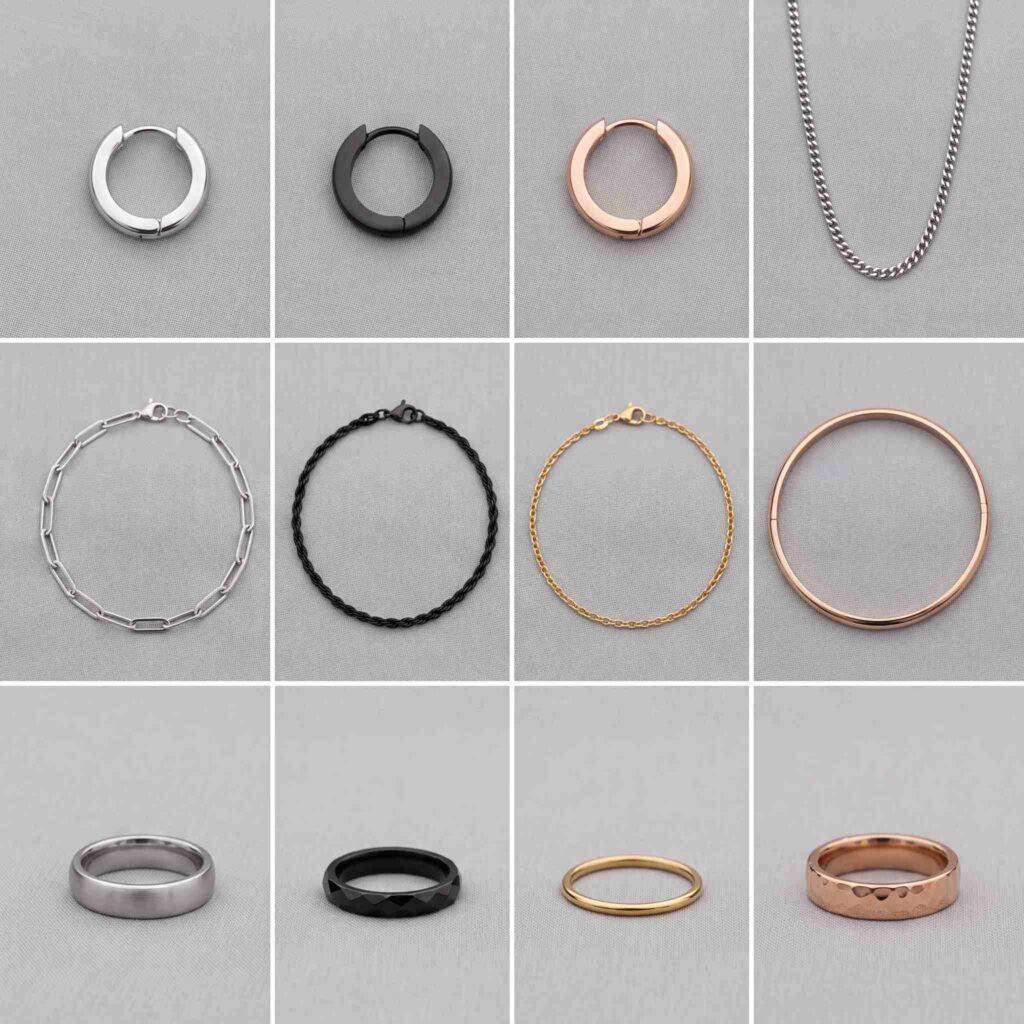
Chicolink creates one row for every sellable SKU and separates the variables that change manufacturing or packing.
- Buyer SKU and Chicolink style or project code
- Product category and design version
- Stainless steel grade and material form
- Size, length, pair, set, or assortment definition
- Steel, gold, rose gold, black, or other approved finish
- Quantity per style, color, size, and packaging version
- Product Logo, tail tag, engraving, or variable marking
- Jewelry card, pouch, gift box, barcode, and carton allocation
- Target market, test requirement, inspection method, and ship window
The matrix exposes low-volume variants before material buying or setup. Collection totals support capacity planning; row-level quantities control purchasing, routing, plating, QC, and packing. The same rows identify sample quantities, inspection groups, spare units, delivery priorities, and reorder triggers. Chicolink marks provisional values as assumptions and records the approval owner, preventing an estimate from becoming a production instruction.
Only approved rows proceed to final quotation and schedule confirmation.
Share Resources Only Where the Specification Truly Matches
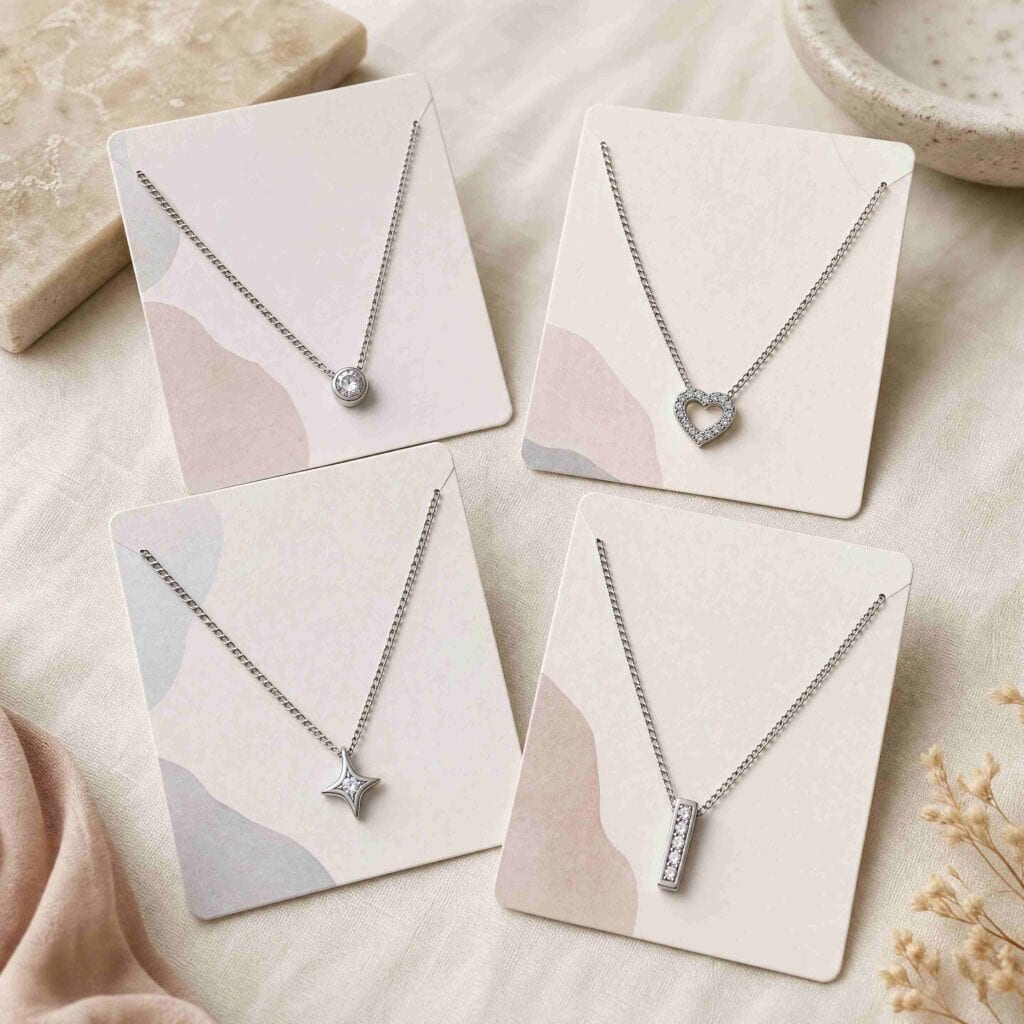
Chicolink evaluates possible sharing rather than assuming it. Several SKUs may use the same base chain, clasp, stone, mold family, polishing route, PVD reference, jewelry card size, or carton format. Sharing can simplify purchasing and replenishment when the approved specifications are identical.
The following differences commonly prevent full sharing.
- A new steel grade, thickness, chain width, or component source
- A different mold, CNC program, fixture, or assembly route
- Separate PVD colors, finish structures, textures, or color standards
- Ring-size or length variants that change material use or setup
- Different Logos, languages, barcodes, inserts, or packaging artworks
- Different testing, inspection, or market-release requirements
The quotation identifies the unit used for each MOQ and the specification that permits shared production. It also shows which variant creates a separate cost, quantity, or schedule requirement. A later change to a shared input can affect every linked SKU, not only the item where the change originated.
Use a Staged Collection Release When the Assortment Is Complex
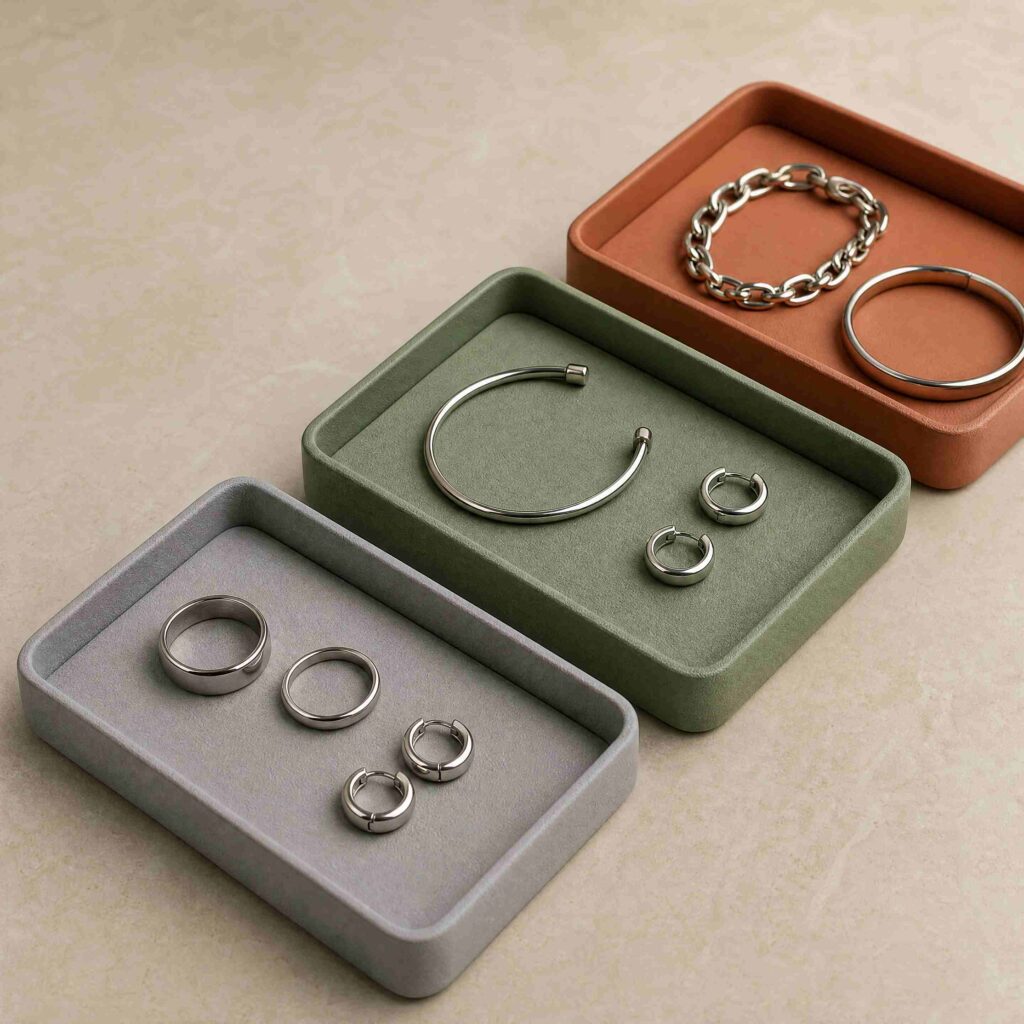
For a broad collection, a controlled release sequence can reduce approval congestion. Chicolink can evaluate the following release route.
- Approve shared materials, components, construction, and finish references first.
- Select representative or highest-risk SKUs for engineering and physical validation.
- Close drawing, BOM, Logo, and packaging versions before related items enter production.
- Release only approved SKU groups instead of allowing unresolved variants to hold the entire program.
- Record the delivery priority if a split shipment is commercially necessary.
- Preserve the same SKU matrix for packing, carton marking, shipment records, and reorders.
Staging does not automatically shorten the total project. It makes dependencies visible and can prevent one late artwork, size, or packaging decision from disrupting unrelated approved items. Any phased production or split delivery requires written scope, cost, quantity, inspection, and freight confirmation.
Chicolink records whether partial approval authorizes material buying, continued sampling, or bulk release. Approval of one subset does not release unresolved variants.
Lead Time Architecture From Brief to Shipment Release
Chicolink builds jewelry lead time from approved handoffs. Inquiry response, engineering, quotation, sampling, production, inspection, packaging, and international transit are separate stages. For each stage, we record the start condition, completion output, approval owner, and unresolved decisions. International transit remains separate from factory lead time unless the quotation expressly includes it.
| Stage | Chicolink Starts With | Stage Output | Common Schedule Risk |
|---|---|---|---|
| Requirement review | Product reference, specifications, quantities, target market, packaging, tests, and requested date | Missing-information list and route for evaluation | Incomplete dimensions, unclear material, absent SKU allocation, or conflicting reference files |
| Engineering and costing | Controlled design inputs and commercial scope | Feasibility decision, risk items, cost basis, tooling or test needs, and quotation | New structure, special tolerance, unconfirmed weight, unavailable component, or unclear acceptance standard |
| Sample preparation | Approved sample scope, applicable fees, confirmed files, and required reference | Identified sample for review and a list of any open issues | Tooling correction, finish matching, buyer revision, component delay, or additional sample purpose |
| Buyer approval | Sample, drawing, BOM, color, Logo, packaging, and review criteria | Written approval or controlled revision request | Fragmented feedback, multiple approvers, unmarked changes, or approval after the planned release date |
| Material and production release | Order confirmation, agreed commercial conditions, current approved version, and confirmed schedule basis | Purchase and production instructions linked to the correct SKU and batch | Late change, special material, capacity shift before release, or missing packaging artwork |
| Manufacturing and QC | Released work order, approved process route, materials, and inspection plan | Inspected products and documented exception disposition | Rework, test failure, plating mismatch, component shortage, or buyer-added inspection scope |
| Packing and shipment release | Approved packaging, labels, quantities, reports, shipping instructions, and balance conditions | Packed order, shipment records, and handoff to the selected logistics route | Late barcode, third-party inspection booking, carton change, report review, or freight arrangement |
Policy Notes
- The inquiry date is not automatically the production start date.
- Chicolink states the schedule basis in the quotation or order confirmation and reconfirms it when the order is released.
- Buyer revisions after approval require an impact review covering cost, material, tooling, work in process, inspection, packaging, and date.
- Third-party testing, third-party inspection, shipping, customs, and destination delivery need their own planned time.
Control the Critical Path and Approval Ownership
Delivery reliability depends on decisions as much as manufacturing. Chicolink identifies the critical path, gives each approval a visible owner, and reviews schedule changes against the current order status. This is especially important for multi-SKU launches where product engineering, PVD color, Logo artwork, packaging, testing, inspection, and freight may progress on different timelines. A clear responsibility map prevents waiting time from being hidden inside a single production estimate and shows which decision must close next.

Chicolink Owns the Factory-Side Planning and Status Record
Within the agreed project scope, Chicolink coordinates the activities that convert the approved order into a controlled factory plan.
- Review the submitted brief and identify missing product, commercial, quality, packaging, and delivery inputs before treating the request as ready for quotation.
- Separate preliminary feasibility comments from a formal quotation completed after the applicable engineering, sourcing, capacity, and cost basis has been reviewed.
- Review material, process route, tooling, finish, components, packaging, inspection, and capacity dependencies.
- Connect the released specification to purchasing, work orders, production, in-house plating, QC, packing, and shipment records.
- Track sample status, production scheduling, plating progress, packaging confirmation, inspection coordination, and export handoff.
- Escalate a discovered issue for disposition instead of silently changing the approved design, material, finish, Logo, or packaging.
Factory status updates distinguish work awaiting input from work under evaluation, production, inspection, rework, packing, or shipment preparation.
Each update states the current hold point and next required action.
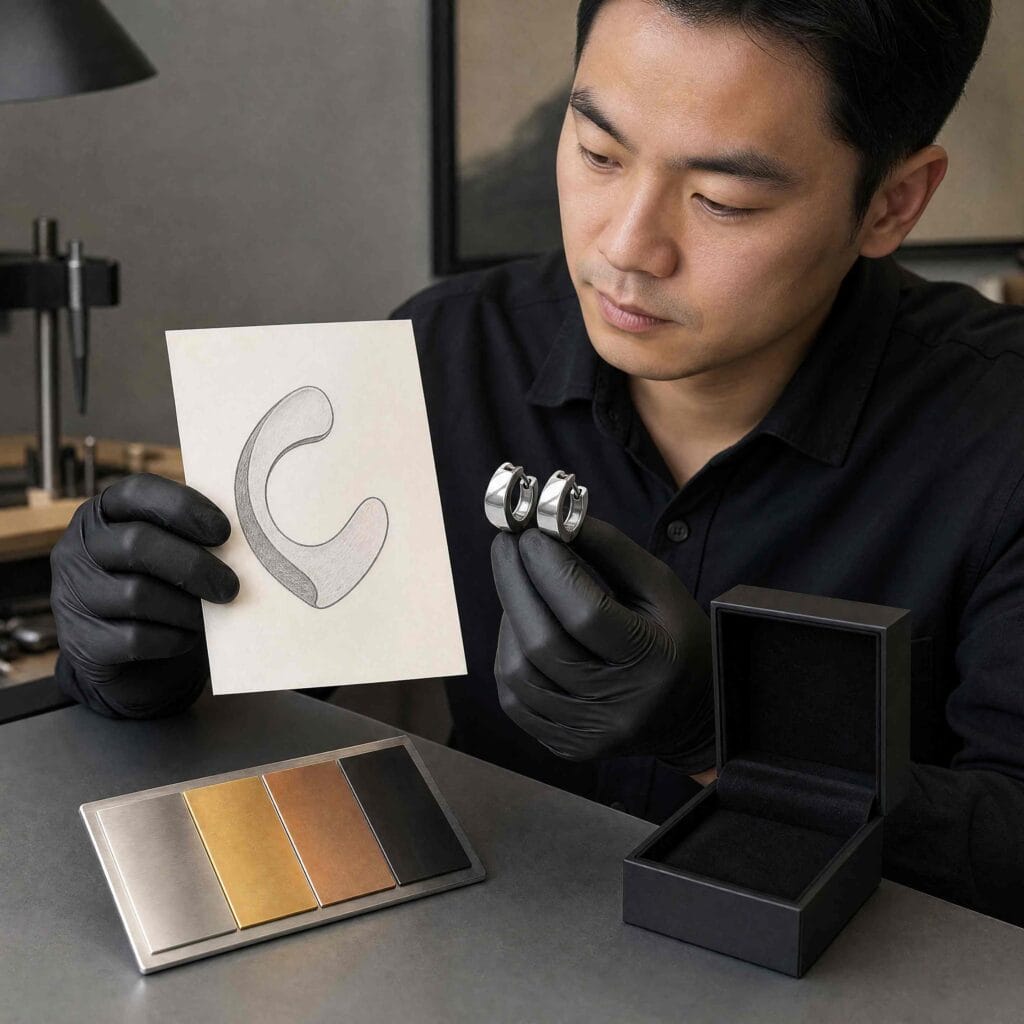
Approval Inputs at Each Release Gate
Chicolink tracks the following buyer inputs on the critical path.
- Complete product files, target quantity, SKU allocation, market, tests, packaging, and required delivery date
- Approval authority across design, sourcing, quality, compliance, merchandising, and logistics teams
- Consolidated feedback linked to the correct sample, drawing, BOM, color, Logo, and packaging version
- Written approval of the production reference and closure of open issues
- Current barcode, FNSKU, label, carton, language, and destination requirements
- Timely inspection booking, shipping instructions, and agreed payment actions
Chicolink records one buyer coordinator and one consolidated revision list for each review round. The approval calendar includes weekends, time zones, internal reviews, and physical sample transit. Silence is not approval. Late approval triggers a schedule check against current materials and capacity. A launch date does not reserve unfinished engineering, unapproved specifications, or an unconfirmed production slot.
Chicolink records the due date, owner, status, and evidence for every required approval in writing.
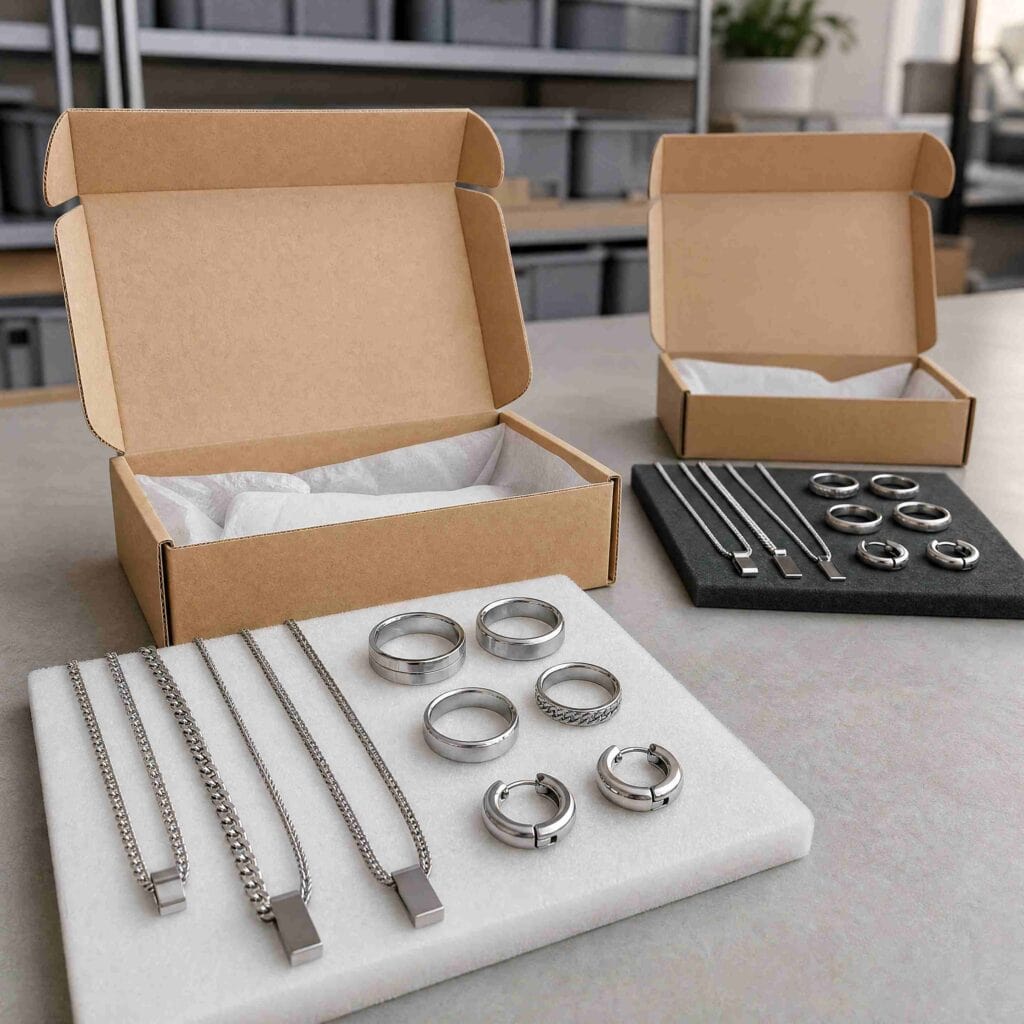
Rush and Split Delivery Require a Feasibility Decision
Chicolink evaluates urgency against the real bottleneck rather than promising a generic rush service. The review covers the following conditions.
- Availability of approved materials, components, tooling, and packaging
- Whether the design and sample reference are already production-ready
- Current capacity for the required manufacturing and plating route
- Whether quality, testing, inspection, and report requirements can remain unchanged
- SKU priority, minimum viable delivery lot, packing sequence, and freight consequences
- Risk to later quantities, repeat batches, and other confirmed milestones
A split delivery may help when approved high-priority SKUs can be completed, inspected, packed, and shipped independently. It may add inspection, packing, documentation, and freight cost. An accelerated plan is accepted only after Chicolink confirms the revised scope and schedule in writing. Quality gates are not removed merely to meet a requested date.
Chicolink records SKU priority and the latest useful delivery date for each group. This provides a defined basis for evaluating a recovery plan when the schedule changes.
Approve One Controlled Reference Before Production Release
Chicolink does not treat a casual photo or isolated sample comment as a complete bulk instruction. The production reference can include a physical sample, drawing, BOM, color reference, Logo file, packaging file, and inspection criteria. Each approved element must identify its project, SKU, version, purpose, status, and approval record so obsolete instructions do not continue into purchasing or production.
Product Geometry
- Confirm dimensions, size system, weight range, tolerances, chain, clasp, stones, assembly, moving parts, and measurement method.
- The drawing and approved sample must describe the same version.
- A dimensional or structural change after approval may require new engineering, tooling, sampling, costing, and schedule review before release.
Material and BOM
- Record steel grade, material form, components, findings, stones, quantities, loss assumptions, source status, and approved alternatives.
- The BOM version and effective date must match the released product.
- A substitution is not automatic when a component becomes unavailable; buyer approval may be required for a critical material change.
Finish Reference
- Approve PVD color, brightness, texture, plating structure, thickness requirement, visible surfaces, and comparison method.
- Chicolink uses physical references and controlled process records instead of relying on screen color alone.
- A new color or changed surface route can create a separate sample, plating batch, MOQ, test, or timeline requirement.
Logo and Artwork
- Confirm content, converted fonts, size, position, orientation, safe margin, depth, color value, and production process.
- Product engraving, tail tags, cards, boxes, and labels may use different artwork versions.
- Chicolink stops obsolete files from being used after an approved revision becomes effective.
Packaging Version
- Define single, pair, or set packing; protection; card, pouch, box, insert, label, barcode, carton, and assortment rules.
- Packaging samples and artworks need identifiable approval before production.
- A late packaging change can affect sourcing, packing sequence, inspection, carton data, and the overall shipment release date.
Release Record
- Record sample number, file version, approval date, approver, open issues, and whether the reference is authorized for bulk production.
- Chicolink retains the connection between approved inputs and the production, inspection, packaging, and batch records.
- Any later revision is assessed before it replaces the current release.
Design Decisions That Stabilize MOQ and Timing
Chicolink reviews manufacturability before sampling. We identify structures that may require extra tooling, reduce yield, complicate finishing or inspection, or cause repeated correction. Engineering records the feasibility decision, process route, critical dimensions, quality, cost and timing risks, required changes, validation items, and production-release conditions. An unapproved concept does not become a bulk specification.
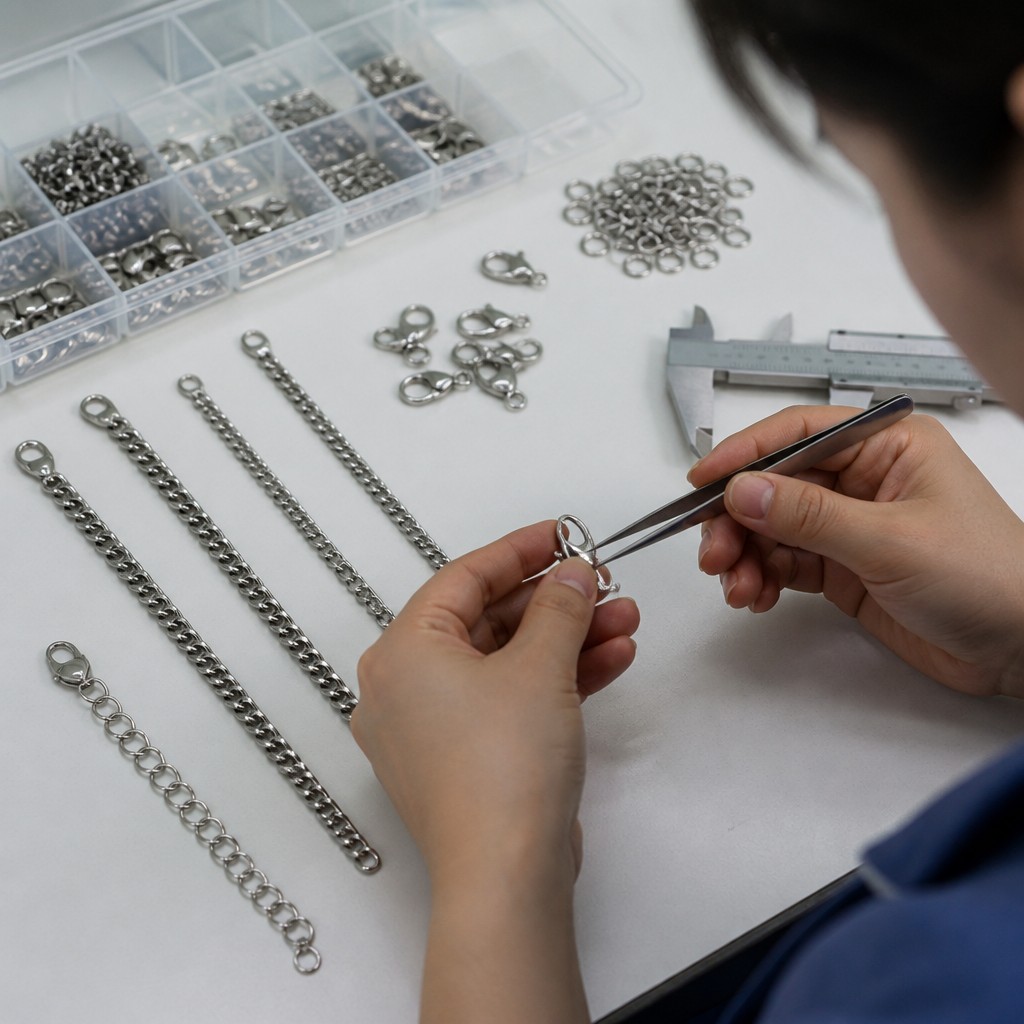
Geometry and Tool Access
- Deep narrow grooves, blind holes, sharp internal corners, thin bridges, and inaccessible recesses can restrict cutting, polishing, cleaning, plating, and inspection.
- Abrupt thickness changes or heavy solid areas can increase shrinkage, deformation, weight, and finishing time.
- Chicolink evaluates radii, wall transitions, drainage, tool access, holding points, and measurable datums before the sample route is released.
- The review records which feature must change, which needs physical validation, and which can remain as designed.
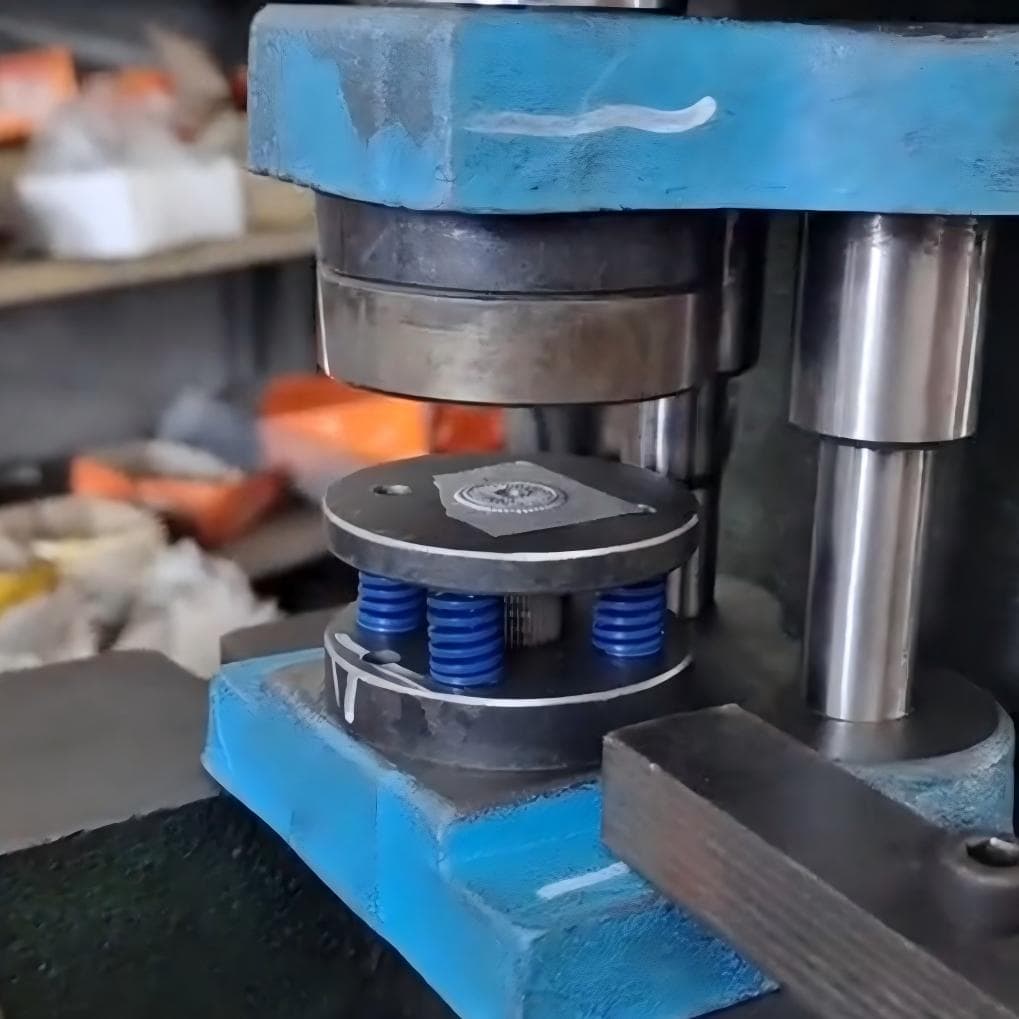
Assembly and Wear Risk
- Hinges, clasps, posts, threads, magnets, jump rings, stones, and welded connections require defined fit, movement, alignment, and strength criteria.
- Polishing, plating, heat, cleaning, and assembly can change clearances or damage incompatible materials.
- We identify the functional sample and inspection method needed before scaling a visually approved design into repeat production.
- Wear direction, skin contact, opening cycles, and likely consumer misuse help determine the relevant validation rather than relying on appearance alone.
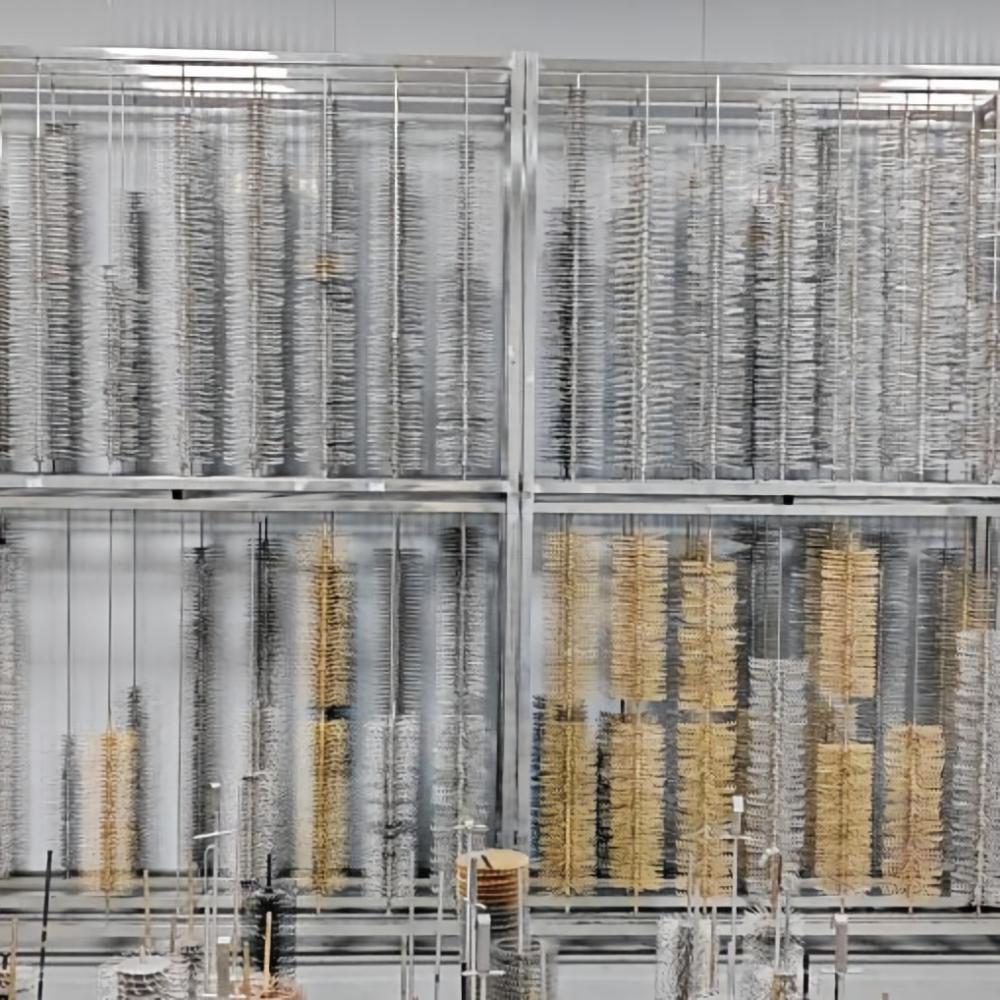
Finish and Plating Access
- Hanging position, current path, recess depth, trapped liquid, mixed materials, solder, glue, and hidden cavities can affect coverage and appearance.
- The design must allow cleaning, drying, racking, process control, and inspection without creating unacceptable marks on primary surfaces.
- Chicolink connects geometry, surface preparation, approved color, plating specification, and test plan during feasibility review.
- A changed hanging point or hidden surface requirement may alter visible marks, coverage expectations, rack loading, and batch economics.
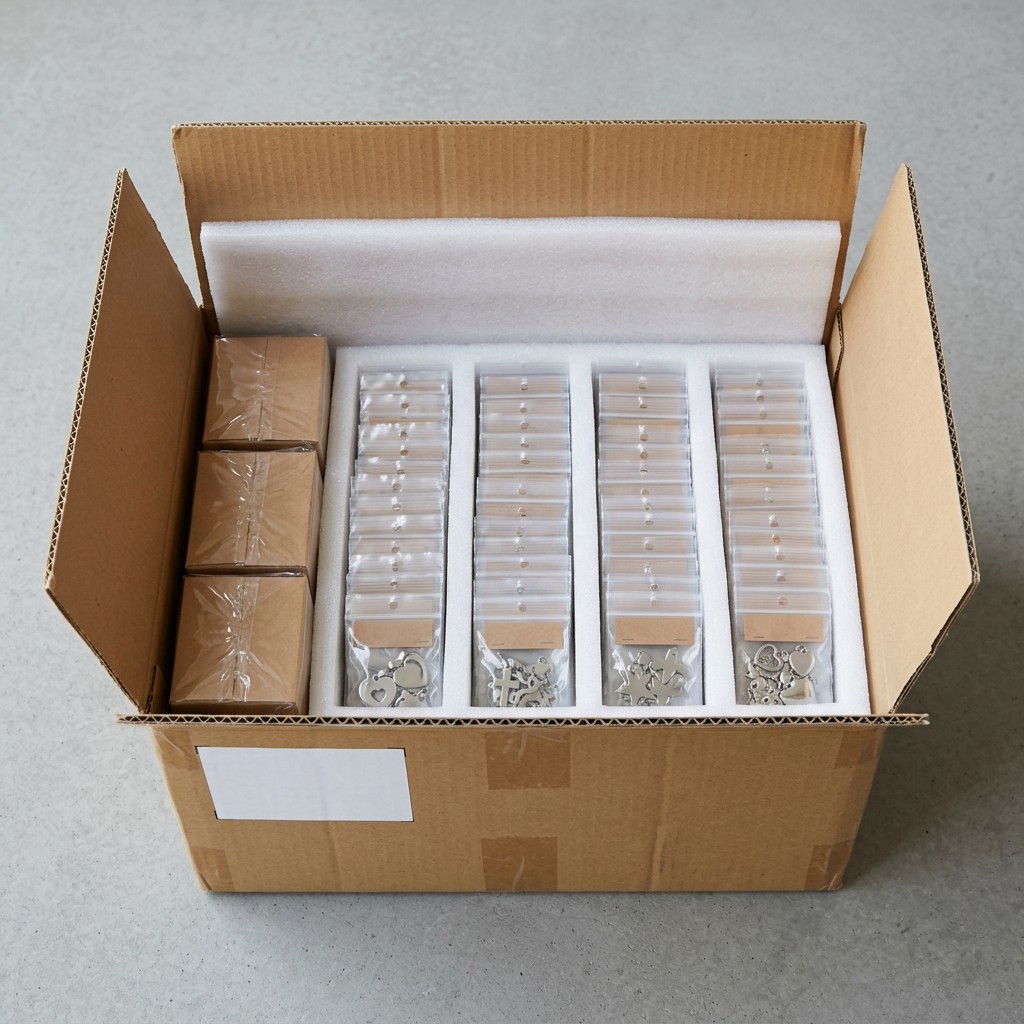
Packaging and Inspection Fit
- Long chains, polished surfaces, ear posts, protruding stones, sharp profiles, sets, and left-right products need protection and mistake-proof packing.
- A design that cannot be measured consistently or packed without rubbing can create sorting, rework, and delivery risk.
- We define orientation, protective materials, inspection points, SKU identity, and carton allocation before bulk packing begins.
- The packaging sample must represent the actual product dimensions and assembly, not an approximate substitute that hides fit or pressure problems.
Capacity and Scheduling Evidence Behind Each Quote
Chicolink supports order scheduling with defined people, equipment, in-house plating, and PMC coordination. Factory-wide scale helps us plan multiple processes, but it is not an automatic promise that every quantity can start immediately. We map each approved SKU to its actual route, required equipment, material position, plating batch, labor, inspection, packaging, and current workload before confirming the production window.
5,500+ Square Meters
- Chicolink operates a Dongguan manufacturing facility of more than 5,500 square meters.
- Production planning connects machining, forming, casting, welding, polishing, plating, assembly, inspection, and packing rather than treating them as one undifferentiated capacity figure.
- The quoted route identifies which areas and handoffs each SKU actually requires.
400+ Employees
- 400+ employees support the factory-wide manufacturing and operating system.
- PMC, purchasing, R&D, engineering, production, in-house plating, QC, packaging, and export coordination have different responsibilities on the schedule.
- Chicolink tracks progress by project stage so waiting, production, inspection, and packing status remain distinguishable.
200,000+ Monthly Pieces
- Factory-wide monthly production capacity exceeds 200,000 pieces across the active product and process mix.
- Available capacity for one order still depends on complexity, equipment route, finish, SKU count, quality plan, and already confirmed work.
- Chicolink reconfirms the schedule at order release instead of converting total factory capacity into an instant-start claim.
58 Production Machines
- Chicolink's equipment list contains 58 machines across CNC, casting, laser cutting, laser welding, laser Logo work, stamping, bending, drilling, polishing, wax injection, lathes, and PVD coating.
- Routing determines the true bottleneck; total machine count alone does not define a product's lead time.
5 CNC and 6 PVD
- Five CNC machines support evaluated precision-machining routes, while six PVD vacuum-coating machines operate in Chicolink's in-house plating workshop.
- Keeping confirmed PVD/IP and other approved plating processes under unified specification, sample approval, process control, inspection, and traceability helps coordinate color batches with the production schedule.
6 jewelry designers, 3 jewelry engineers
- 6 jewelry designers and 3 jewelry engineers support design interpretation, drawings, feasibility review, process planning, sampling, and production release.
- Their work is especially relevant when a requested date depends on closing structure, tooling, finish, or manufacturability risks before material and capacity can be committed to the correct version.
Quality Gates Protect the Committed Delivery Plan
Chicolink builds quality work into the order plan instead of placing inspection after an assumed completion date. Incoming material, in-process work, plating, finished products, packaging, testing, and shipment release can each contain a hold point. The inspection method is agreed against the buyer's product, market, channel, and risk. If a nonconformity is found, the affected batch is controlled and the schedule impact is assessed before release. Inspection readiness is therefore a planned milestone, not an informal activity after production.
Inspect at the Stage Where Correction Is Still Controllable
Chicolink uses staged quality control to prevent one defect from consuming the remaining schedule.
- IQC: checks incoming material appearance, specification, steel grade, components, stones, and packaging materials.
- IPQC: checks molds and first pieces, dimensions, structure, welding, gates, burrs, polishing, texture, plating color and thickness, setting, gluing, and assembly.
- FQC: checks finished appearance, color, dimensions, function, structural security, surface defects, Logo, components, and packaging.
- Pre-packing inspection: verifies the approved product and packing version before units are committed to cards, pouches, boxes, labels, sets, or cartons.
The drawing, BOM, approved sample, color reference, packaging file, and inspection plan form the acceptance basis. Finding an issue early can protect the bulk release; discovering the same issue after packing can require sorting, unpacking, rework, relabeling, repacking, and a revised shipment date.
Each hold point identifies the reviewer, required record, acceptance decision, and permitted next step. Chicolink releases material or semi-finished work only after the applicable quality condition closes, keeping schedule status aligned with quality status.
Select AQL, Full Inspection, and Tests by Risk
Packaging-stage control can use 100% inspection or an agreed AQL sampling plan. When the buyer has no separate written standard, Chicolink's default reference is normal inspection, general inspection level II, with the approved sampling table defining sample size and acceptance or rejection numbers.
- Critical defects: Ac 0 / Re 1
- Major defects: AQL 1.0
- Minor defects: AQL 2.5
Buyer-specific AQL levels, defect classifications, sample sizes, or acceptance rules take priority when confirmed in the order, quality agreement, or inspection plan. Functional, dimensional, plating, corrosion, artificial-sweat, material, or market-specific tests are selected by the confirmed requirement. Destructive test pieces cannot be counted as sellable shipment units. Testing scope, sample quantity, laboratory or internal method, cost, and timing must therefore enter the plan before production release.
Full inspection and AQL sampling serve different purposes. A 100% check can be appropriate for selected appearance, function, or packing risks, but it does not replace process control or an agreed defect definition. Chicolink confirms which characteristics are checked on every unit and which use sampling.
Reserve Time for Inspection, Disposition, and Shipment Release
Chicolink supports internal pre-shipment inspection, buyer inspection, and third-party inspection. Our delivery plan records the following controls.
- Inspection standard, stage, booking owner, sample access, and required documents
- Whether inspection occurs before or after final packing
- Test-report review and the relationship between the tested sample and production batch
- Rules for segregation, rework, remake, replenishment, or concession if an issue is found
- Reinspection requirements after corrective work
- Final quantity, carton, barcode, packing-list, and shipment release approval
Third-party inspection must be booked before the intended shipment day. An inspection failure, incomplete report, or buyer-added check can move release even when manufacturing is complete. Chicolink does not treat unfinished inspection as shipped production. The status remains visible until the agreed release conditions are closed.
When corrective work is required, the disposition must identify affected quantity, responsible action, completion evidence, and reinspection rule. The revised release date is based on that verified scope. It is not calculated by simply adding an arbitrary delay to the original shipment date.
Plan Reorders Around Approved Batch Continuity
A repeat order can avoid unnecessary redevelopment only when the approved product and its records remain current. Chicolink links reorders to the prior order, SKU, drawing, BOM, sample, PVD reference, packaging file, inspection plan, and batch history. We then check what has changed, what remains available, and what must be reapproved. This protects continuity without pretending that past timing, cost, material, or capacity remains permanently fixed. The reorder review converts history into current instructions rather than copying an old purchase order unchanged.
Reference the Previous Order Before Requesting Replenishment
For a reorder review, send the previous purchase order or Chicolink project reference together with the required quantity and date. The most useful input includes the following details.
- Previous order number, SKU, style, color, size, and packaging version
- Required quantity by sellable SKU and any changed assortment ratio
- Current sales forecast, launch window, target stock date, and priority items
- Requested changes to material, dimensions, finish, stones, Logo, labels, or packing
- Destination, test, inspection, carton, barcode, or platform updates
- Existing buyer inventory of custom packaging or components, if applicable
Chicolink compares the request with the controlled prior version. A reorder with no product change may still require current material, component, plating, packaging, inspection, and capacity confirmation. A small visual change can become an engineering or batch change if it affects the approved production route.
For a dormant SKU, we also check whether tooling remains usable, the component source is active, the color reference is valid, and buyer artwork or platform data is still current. This determines whether the request is a true repeat or a controlled redevelopment.
Use Batch Records to Support Consistency and Investigation
Each production batch is connected through the order number, SKU, and batch identifier. Chicolink's traceability records can include the following data.
- Material grade, supplier, incoming batch, and component information
- Work order, production date, workshop, and key process records
- Mold, semi-finished work, welding, polishing, setting, or gluing records
- In-house plating equipment, color, batch, input quantity, output quantity, and plating requirement
- IQC, IPQC, FQC, AQL, or full-inspection records
- Nonconforming quantity, disposition, rework, and reinspection
- Packaging batch, carton number, packing list, shipment date, and logistics document
These records help locate a reported issue and compare replenishment conditions with an earlier batch. They do not eliminate normal manufacturing variation; they provide an evidence base for control, investigation, and an agreed corrective action.
If a complaint is linked to a prior batch, Chicolink collects the order, SKU, quantity, images or video, packaging condition, receipt date, and use or storage information. The investigation then compares the reported product with the approved sample, inspection standard, and traceable production records before deciding responsibility and remedy.
Forecast Earlier Than the Required Reorder Ship Date
For high-volume, seasonal, multi-SKU, or packaging-intensive programs, Chicolink uses a rolling forecast to review materials, components, plating colors, packaging, inspection demand, and capacity. A forecast is not a binding order or reserved production slot unless separately confirmed in writing.
For better continuity, Chicolink records the following planning inputs.
- Flag launch, promotion, holiday, marketplace, or store-reset deadlines.
- Identify core replenishment SKUs separately from experimental variants.
- Confirm whether packaging inventory can be carried and who owns unused balance.
- Group compatible colors or components only where the specification allows.
- Set a reorder trigger based on sales velocity, transit, destination handling, and safety stock, not factory production time alone.
- Reconfirm any old artwork, barcode, test, or platform file before reuse.
This approach makes reorder urgency visible before stockout risk becomes an unqualified request for acceleration.
Chicolink rechecks the forecast when sales velocity, channel mix, packaging, destination, or promotion timing changes. Annual volume alone does not define the required material or capacity position.
How Chicolink Plans Different Order Types
The following representative scopes explain Chicolink's planning method; they are not named customer cases or guaranteed outcomes. Each scenario shows how we separate MOQ, schedule dependencies, approvals, and records. Actual terms depend on submitted files, available materials and capacity, approved specifications, response time, inspection, packaging, and written order confirmation.
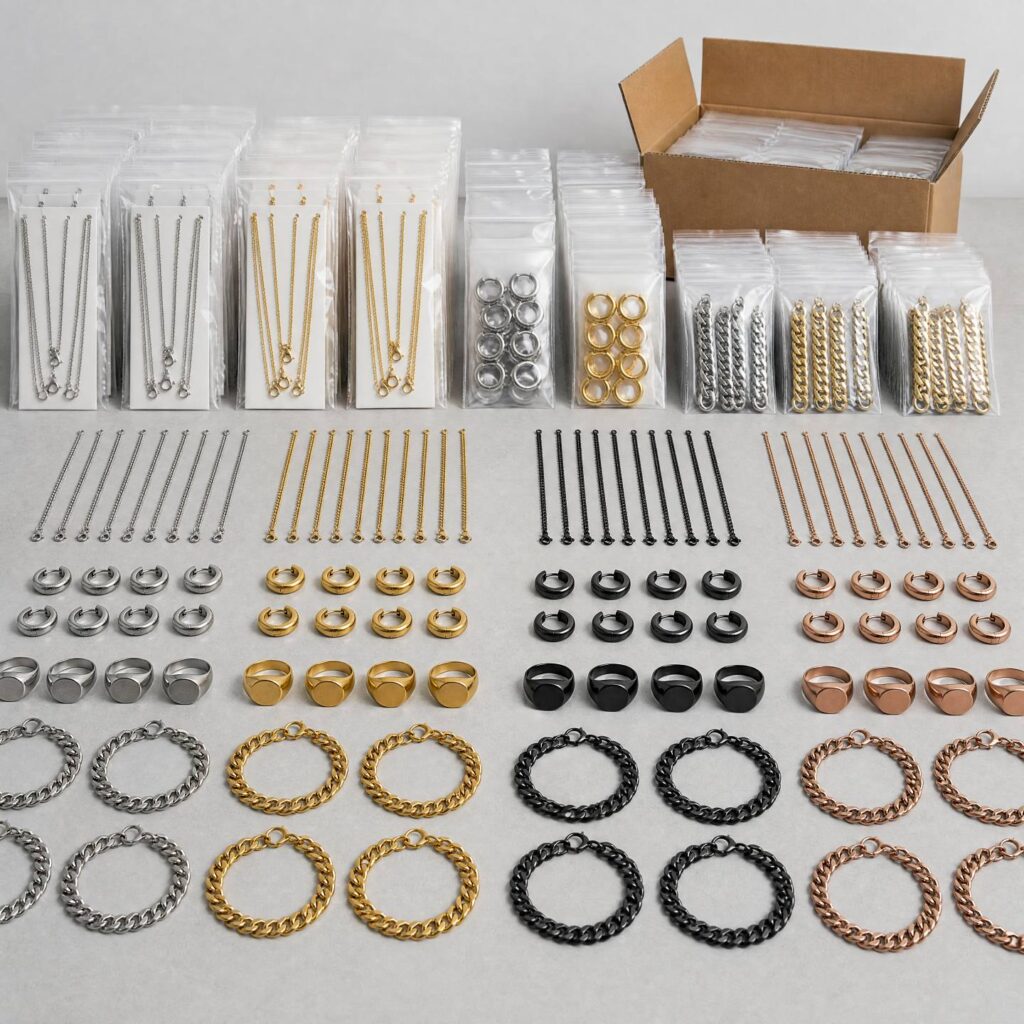
Standard-Style Replenishment
Use Scenario: A wholesaler needs several existing stainless steel jewelry styles replenished for one distribution cycle.
Key Challenge: The total quantity is clear, but finish, SKU availability, unit packing, assortment, and required ship date have not been allocated by style.
chicolink Solution: Check each SKU and finish, build the quantity matrix, confirm standard or custom packing, define inspection, and quote the available route against the requested window.
Result: Chicolink issues a SKU-level commercial and schedule basis tied to confirmed allocations.
Project Data: Representative project scope: existing styles, multiple SKUs, standard finishes, buyer-defined quantities, packing, inspection, and one or more shipment priorities.
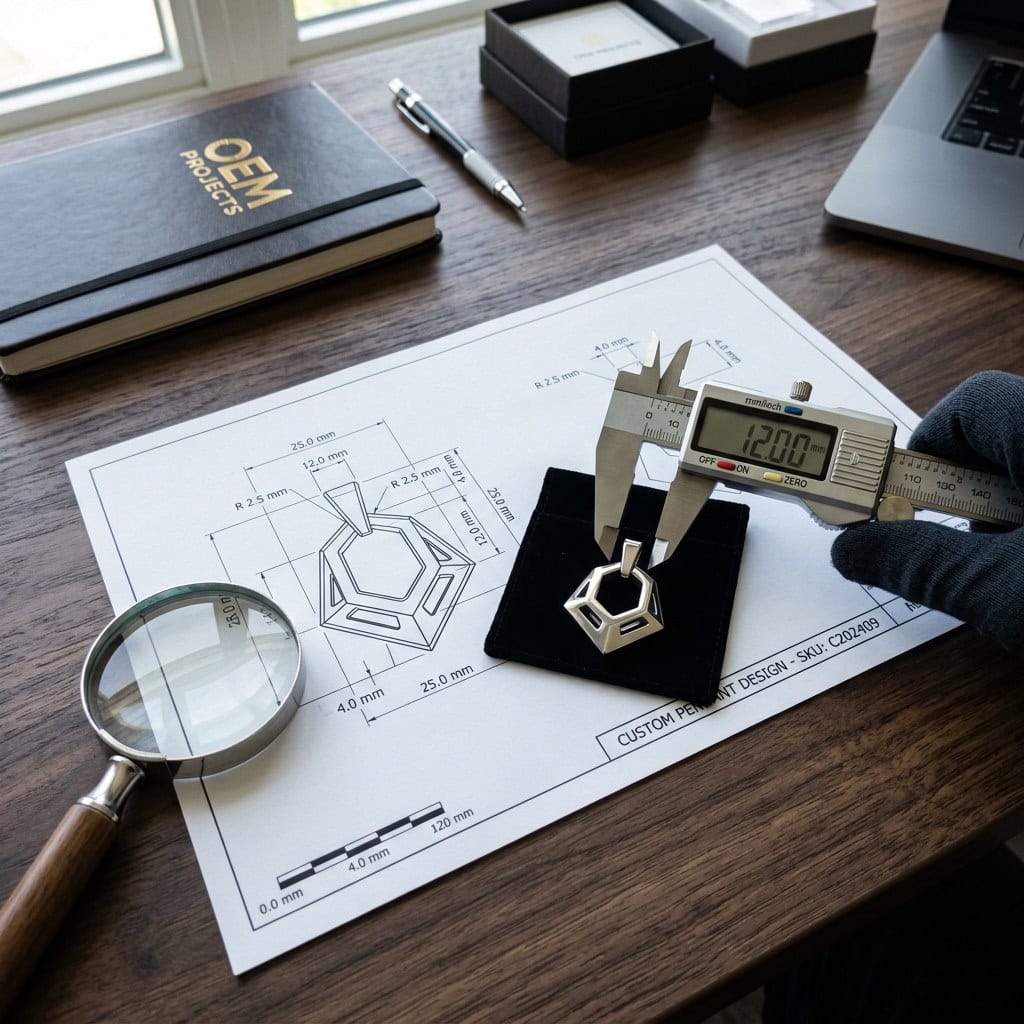
Original OEM Collection
Use Scenario: A brand submits drawings and references for an original coordinated collection.
Key Challenge: Product geometry, materials, components, PVD color, Logo, packaging, and launch timing require cross-functional approval.
chicolink Solution: Complete feasibility and costing, identify tooling and open decisions, develop controlled samples, record revisions, establish approved production references, and release SKU groups only after their gates close.
Result: Chicolink establishes an identifiable path from design input to sample approval, production, QC, packing, and batch records.
Project Data: Representative project scope: OEM designs, controlled drawings and BOMs, custom samples, PVD finish, private-label elements, quality plan, and bulk release.
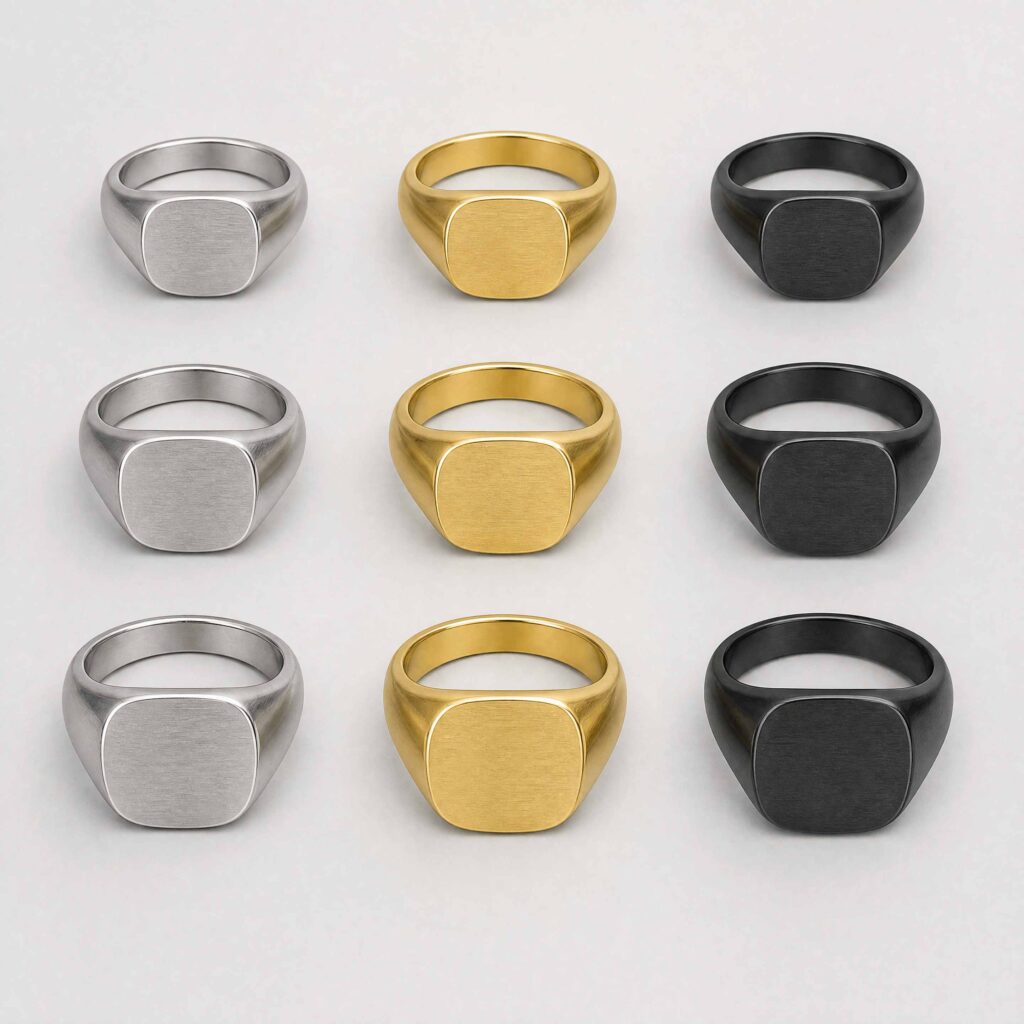
Size and Color Assortment
Use Scenario: A retailer needs rings or wearable sizes across several PVD colors and store assortments.
Key Challenge: A large collection total hides small quantities within individual size-color combinations, while each color may require separate batch control.
chicolink Solution: Map every sellable SKU, confirm size ratios, identify compatible process groups, separate plating references, and connect the same matrix to inspection, labeling, cartons, and reorders.
Result: Chicolink makes MOQ constraints and variant-specific work visible before assortment and quotation approval.
Project Data: Representative project scope: one product family, multiple sizes, multiple finishes, allocation ratios, SKU labels, batch records, and repeat-order references.
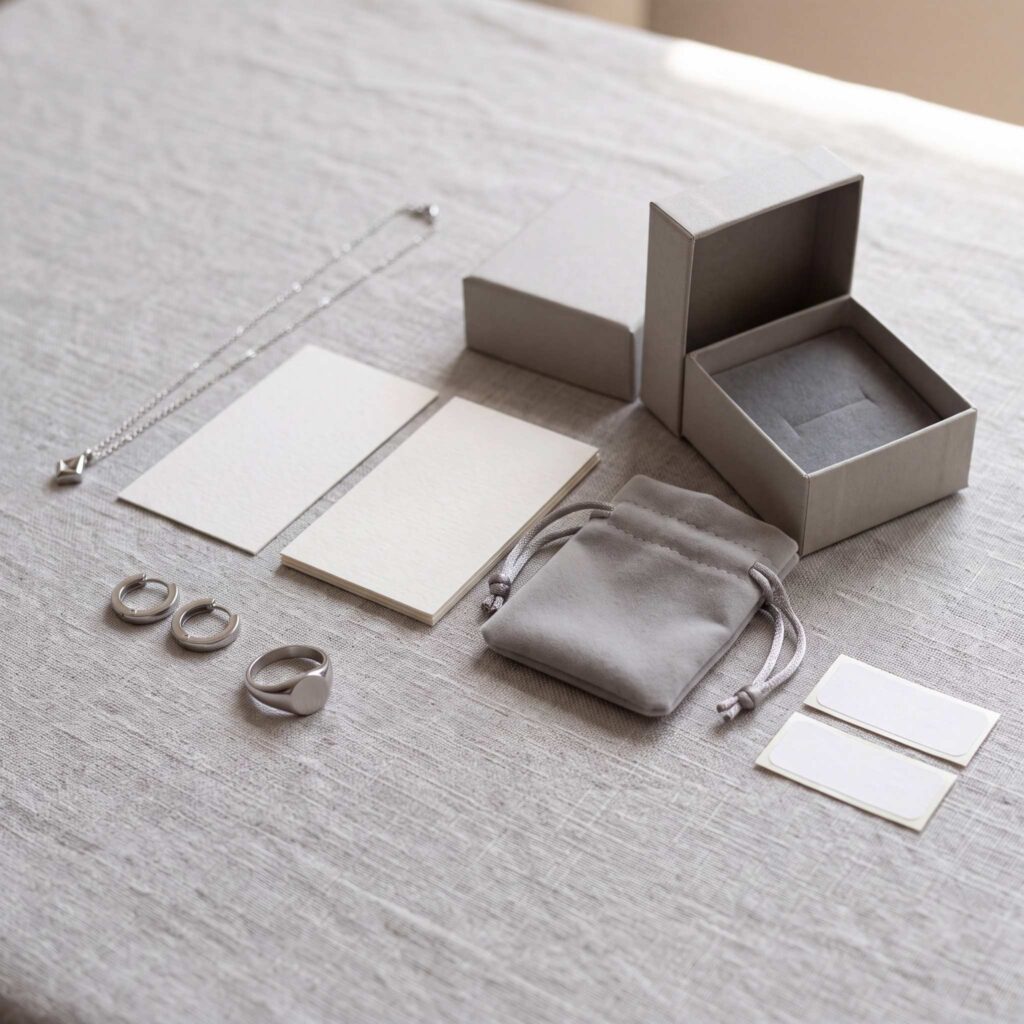
Packaging-Led Market Launch
Use Scenario: A DTC or chain-store buyer requires jewelry, cards, pouches or boxes, barcodes, inserts, and a fixed market launch.
Key Challenge: Packaging artwork, production units, sample approval, labeling, inspection, and carton data can sit on the critical path independently of the jewelry.
chicolink Solution: Separate product and packaging MOQs, run approved work in parallel where feasible, freeze each artwork version, confirm protection and packing rules, and reserve time for final inspection and shipment release.
Result: Chicolink's launch plan identifies packaging dependencies before finished jewelry waits for packing materials.
Project Data: Representative project scope: private-label products, multiple packaging components, buyer artwork, SKU or barcode control, inspection, and export packing.
Stainless Steel Jewelry MOQ and Lead Time FAQ
These answers clarify conditions that may change Chicolink's MOQ or delivery plan. The project quotation controls the final terms. Changes to material, process, variants, packaging, testing, inspection, or shipment scope require written reconfirmation.
Is MOQ counted by piece, pair, or set?
Chicolink defines the commercial unit in the quotation. Earrings may be counted by pair, components by piece, and coordinated products by set. The quotation lists what each unit includes. MOQ, samples, inspection quantities, spare units, packaging, and delivered quantities then use that same basis.
When does the quoted lead time start?
The start condition is stated in the quotation or order confirmation. It normally depends on closing the required commercial and technical inputs, such as approved files or samples, confirmed quantities, packaging information, and agreed order conditions. The inquiry date is not automatically the production start date. Chicolink reconfirms timing when the project is ready for release.
Can production start before sample approval?
Chicolink does not release bulk production against an unresolved custom sample or uncontrolled specification. Limited material purchasing or preparation before final approval requires separate written authorization covering scope, cost exposure, change risk, and schedule assumptions. Early work does not convert an unapproved item into a bulk-production standard.
Are sample and tooling fees refundable?
Sample fees normally apply. Chicolink may quote custom tooling, fixtures, tests, and sample delivery separately. Any credit against a later bulk order depends on order value and a written agreement; fees are not automatically refundable. The quotation separates sample work, reusable tooling, tests, delivery, and unit pricing.
Does custom packaging have a separate MOQ?
Yes, depending on the packaging. Cards, pouches, boxes, inserts, printed materials, and labels use different materials, print processes, and production units. Chicolink confirms their MOQ and timing separately from the jewelry. For market testing, we can evaluate standard protective packing or a simpler private-label option.
Can the delivered quantity vary from the order?
Custom production may use an agreed quantity tolerance. A common reference is approximately plus or minus 5%. Chicolink confirms the actual range, charging method, shortage treatment, excess ownership, and freight responsibility in writing for each order. Exact quantity is not assumed without confirmation.
What happens after an approved design changes?
Chicolink reviews the change against the current drawing, BOM, sample, material, tooling, work in process, finish, packaging, inspection, cost, and schedule. We issue a controlled revision and approval record, then stop using the old version when the revision takes effect. Production or delivery dates are reconfirmed where the change affects released work.
Does third-party inspection change lead time?
It can. The inspection standard, booking date, product readiness, packing stage, report timing, corrective action, and possible reinspection must be planned before shipment. Chicolink supports third-party inspection, but completion of manufacturing does not mean the order is released if the agreed inspection remains open. Fees and scheduling depend on the selected provider and scope.
Is international shipping included in production lead time?
Not unless the written quotation expressly includes it. Factory production, shipment preparation, carrier handoff, transit, customs, and destination delivery are separate stages. A logistics estimate requires the destination country and postal code, carton count, dimensions, weight, declaration, trade term, tax or duty basis, insurance need, and requested arrival date.
Does a forecast reserve production capacity?
A forecast helps Chicolink review materials, components, packaging, plating, inspection demand, and capacity. It does not reserve a production slot or become a purchase order. Any reservation requires written terms for advance materials, cancellation exposure, validity, and release conditions. Chicolink rechecks the forecast when quantities, SKU mix, dates, or packaging change.