
Sustainability & Responsible Stainless Steel Jewelry Manufacturing
Turn responsible sourcing requirements into controlled specifications, production records, testing plans, quality evidence, and traceable bulk delivery.
Chicolink Jewelry manufactures stainless steel jewelry for global B2B programs through documented OEM, ODM, private-label, and bulk-production workflows. We review each responsibility or compliance requirement by its actual scope: company, factory, material, product, plating color, packaging, batch, or destination market. We then connect approved requirements to drawings, BOMs, samples, in-house plating, quality gates, testing support, packaging, and batch records. You can request applicable evidence and define additional verification before bulk release.
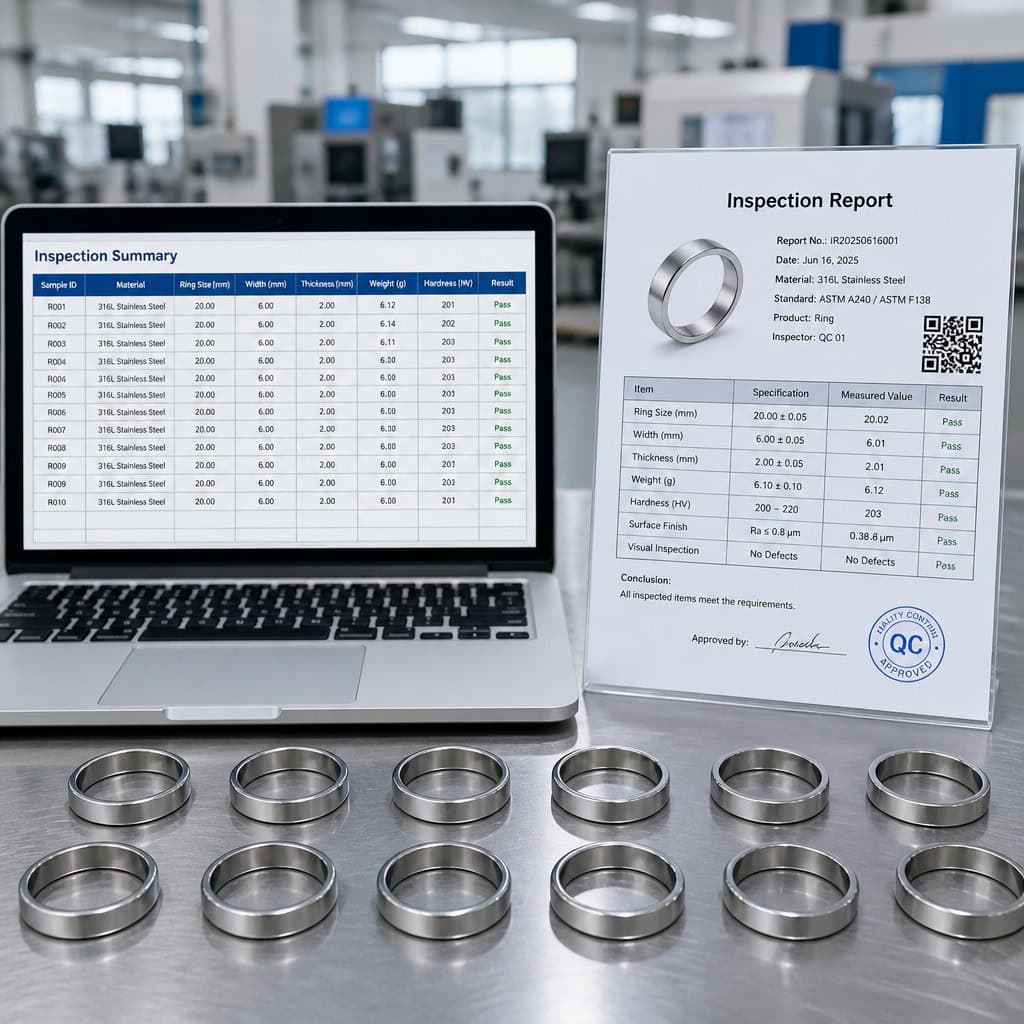
Control Responsible Sourcing Risks Before Bulk Production
We treat responsible manufacturing as a set of purchasing and production controls, not as a label added after the product is finished. During project review, we identify where an unsupported claim, unconfirmed material, uncontrolled process, incomplete test scope, or missing record could create a compliance, delivery, reputation, or repeat-order risk. We then define the approval evidence required before sampling, production, shipment, or external marketing, and record unresolved decisions before they become cost, schedule, or acceptance disputes.
| Procurement Risk | Chicolink Control | Evidence or Your Decision Required |
|---|---|---|
| Unsupported sustainability claim | Separate company, factory, material, product, packaging, and batch-level claims | Valid document, exact claim wording, legal entity, scope, issuer, date, and validity |
| Incorrect steel grade or component assumption | Record body and component materials in the drawing and BOM; inspect incoming specifications | Approved 304/316L requirement, supplier record, material declaration, or testing when agreed |
| Uncontrolled subcontracting | Define the planned process route and your approval points for external services | Approved supplier or service scope, purchase record, sample approval, and incoming verification |
| Plating color or performance variation | Control substrate, preparation, texture, color reference, process specification, and batch inspection | Approved color sample, plating requirement, test plan, acceptance standard, and care conditions |
| One report applied to unrelated products | Review each report against sample, material, components, color, method, date, and market | Written decision on whether an existing report is applicable or a new test is required |
| Factory or labor requirement not verified | Support customer audits and review available management or social-responsibility documents before use | Audit protocol, current report, legal entity, factory address, findings, and corrective-action status |
| No reliable problem trace | Link the complaint to order, SKU, material, production, plating, inspection, packaging, and shipment records | Batch information, affected quantity, photos, receipt date, use conditions, and expected resolution |
Use Sustainability Claims Only Within Their Verified Scope
We review a sustainability or responsibility statement before using it in a quotation, specification, report package, or customer-facing product claim. Similar terms can require very different evidence. Stainless steel recyclability does not prove recycled content; an audit does not certify a product; and a chemical test for one sample does not automatically cover every SKU. The approved wording must match the document and the exact business scope it supports, including the named entity, site, supplier, product, material, color, batch, market, date, and validity where applicable.
| Term or Claim | How Chicolink Applies the Term | Evidence Needed Before a Specific Claim |
|---|---|---|
| Recyclable stainless steel | Describes the material's potential to enter an appropriate metal recycling system | Material identification and wording that does not imply collection, recovery, or recycled content |
| Recycled stainless steel content | Describes verified recycled input used in a defined material or product | Supplier or mill evidence stating percentage, material, batch, method, issuer, and applicable chain of custody |
| Responsible sourcing | Describes documented supplier, material, labor, environmental, and risk-management controls | Supplier approval records, declarations, audits, traceability records, corrective actions, and scope-specific evidence |
| Ethical manufacturing | A broad statement requiring verified labor, health, safety, business-integrity, and sourcing evidence | Current audit or management records covering the named legal entity and production facility |
| REACH or Prop 65 support | Describes testing or documentation arranged for applicable products and markets | Named sample, material and component scope, plating color, test method, standard version, report date, and your review |
| BSCI or SMETA | Describes a factory social-audit framework or report, not a product certification | Current audit result, factory identity, audit date, findings, corrective-action status, and sharing authorization |
| ISO management system | Describes a certified management scope, not automatic product compliance | Current certificate, standard version, certification body, legal entity, site, scope, and expiry date |
| Sustainable packaging | Requires evidence for the specific material and supplier rather than a visual impression | Material specification, recycled or certified-content proof, print and coating details, dimensions, and disposal guidance |
Know Which Manufacturing Activities Chicolink Directly Controls
Chicolink Jewelry (Dongguan) Co., Ltd. operates a 5,500+ square meter factory with 400+ employees, 6 jewelry designers, 3 jewelry engineers, 58 listed production machines, and monthly capacity exceeding 200,000 pieces. We connect development, engineering, production planning, processing, plating, inspection, packaging, and shipment preparation under one workflow. Each SKU identifies our factory-controlled operations, purchased inputs, external verification, and your approval responsibilities.
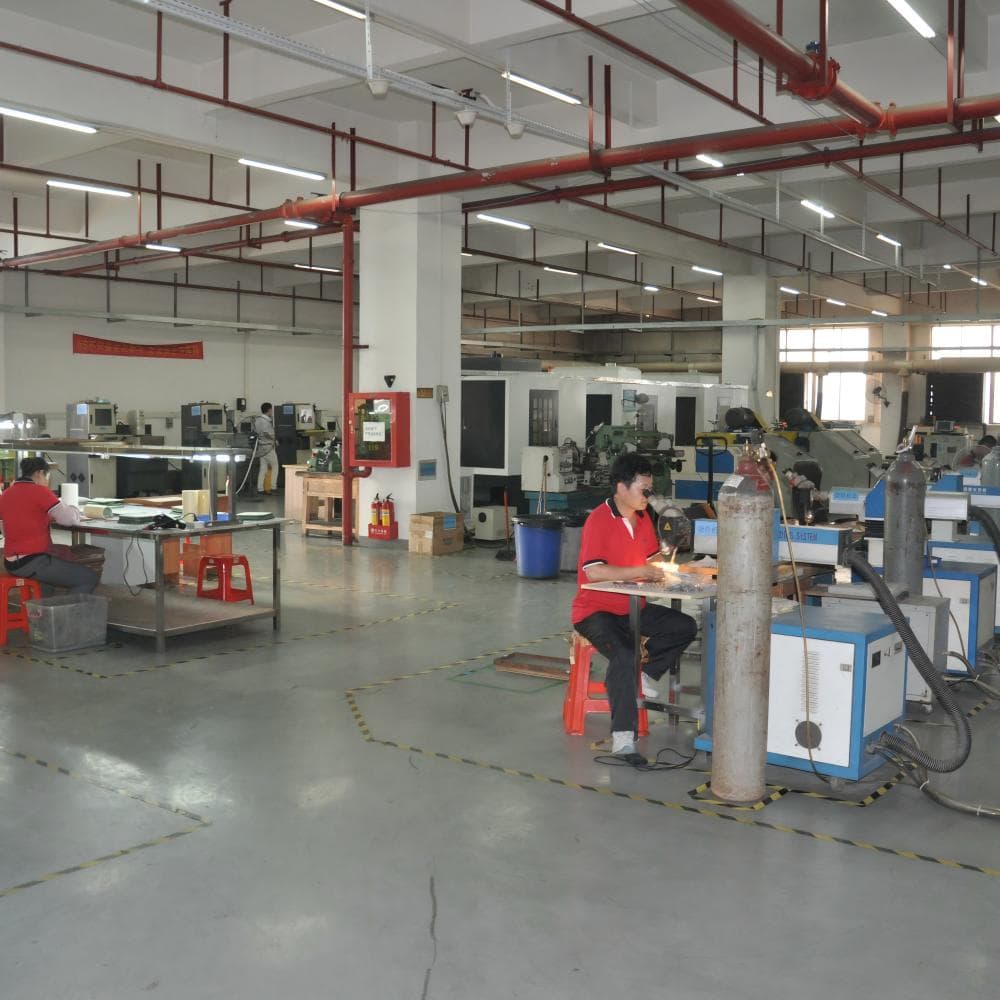
Define the Factory, Supplier, and Verification Responsibilities
- Direct operations: Our capabilities include CNC, casting, laser cutting and welding, stamping, bending, drilling, polishing, turning, logo processing, assembly, inspection, packaging, and six PVD vacuum coating machines. We approve the route by SKU.
- In-house plating: We manage PVD/IP, water plating, and other approved electroplating in our own workshop. Specifications, samples, colors, process records, inspections, and plating batches remain linked to the order.
- Purchased inputs: Steel, chains, clasps, ear posts, stones, and packaging require approved specifications, supplier records, incoming checks, and change approval where applicable.
- External verification: We coordinate samples, files, access, timing, and corrective work with agreed laboratories or inspection companies. They issue their own reports.
- Your approvals: You confirm the destination market, brand claims, legal interpretation, release authority, and requirements beyond our approved specification.
- Audit access: We support agreed factory audits and third-party inspections for qualified projects. We confirm scope, confidentiality, timing, cost, report access, and corrective-action handling in advance.
Select and Verify Stainless Steel by Product Requirements
We select stainless steel by product structure, material form, manufacturing route, skin contact, use environment, target market, testing plan, price position, and your approved specification. Responsible material selection means using a suitable and verifiable material, not automatically specifying the highest-cost grade. Each formal SKU identifies the body, chain, clasp, ear post, spring, screw, connector, welding material, stone, and packaging inputs that affect performance or claims. This component-level view also defines relevant declarations, inspections, substitutions, and tests.
| Material Decision | Chicolink Application | Verification and Responsibility Notes |
|---|---|---|
| 304 stainless steel | Commercially practical for many sheet, wire, tube, chain, stamped, laser-cut, and selected cast products | Confirm structure, use environment, target market, finish, components, and your requirements; do not present it as a low-end default |
| 316L stainless steel | Suitable when you require improved pitting resistance, premium positioning, or defined skin-contact performance | Molybdenum improves corrosion resistance, but manufacturing difficulty, structure, processing, cost, components, and testing still require review |
| Body and component scope | Record the main body and separate chains, clasps, springs, ear posts, screws, connectors, magnets, stones, and solder or welding materials | A statement about the main body does not automatically describe every component or the scope of a chemical test |
| Recycled content request | Evaluate availability after receiving the required percentage, certification method, batch volume, material grade, and chain-of-custody expectation | We confirm recycled content only when supplier evidence supports the defined material and order; recyclability alone is not evidence |
| Incoming material control | Check material identification, specification, thickness, hardness or condition where relevant, surface state, quantity, and supplier batch | Material issues are isolated before they affect forming, welding, polishing, plating, dimensions, or finished appearance |
| Material change control | Review any proposed supplier, grade, component, thickness, or material-form change before use | Requotation, resampling, retesting, and your approval may be required when the approved basis changes |
Design Stainless Steel Jewelry for Longer Commercial Use
We address durability before tooling and bulk production because material alone does not determine product life. Wall thickness, transitions, openings, weld access, moving parts, clasps, ear posts, stone seats, polishing access, plating preparation, and packaging all affect returns and premature failure. Our engineers convert these risks into measurable drawings, approved samples, process controls, inspection points, and project decisions rather than using a general durability claim. Product-specific wear conditions and expected performance still require your confirmation.
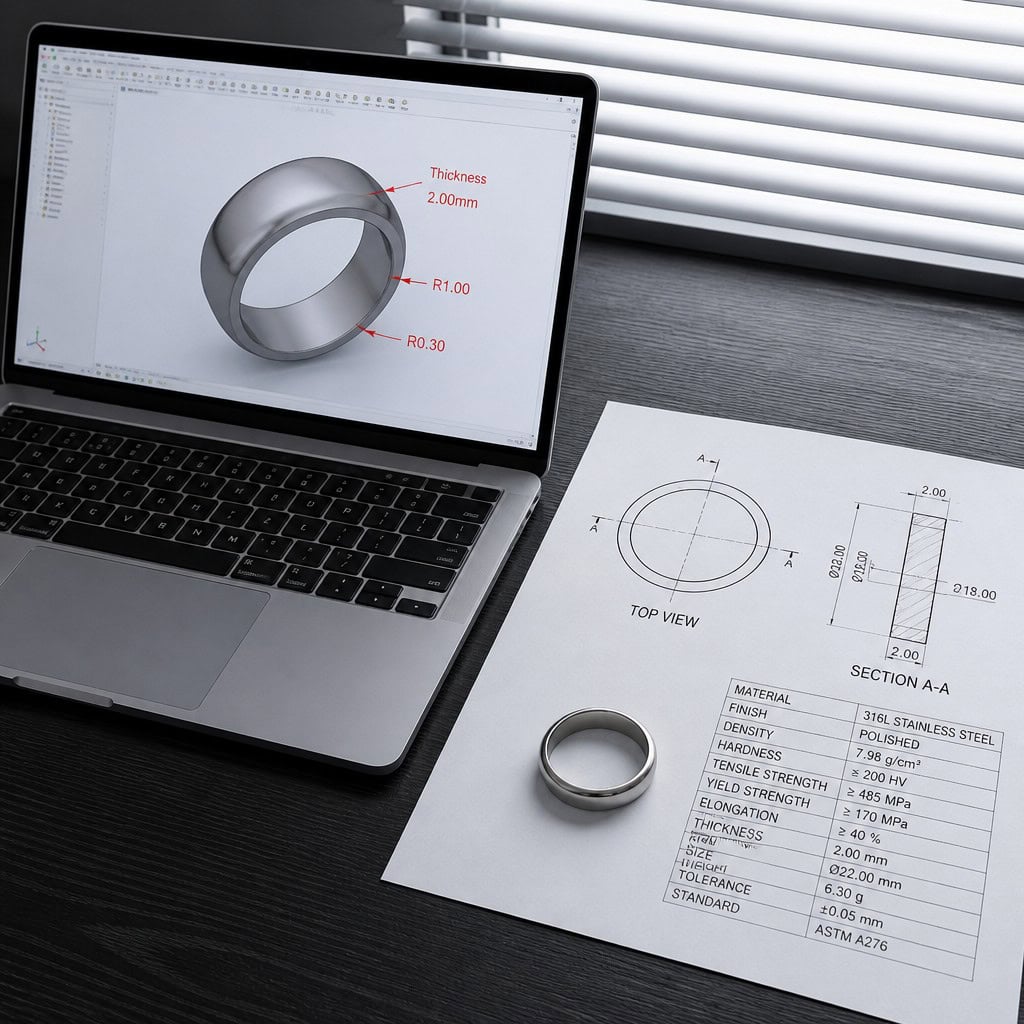
Structure Before Styling
We review load paths, wall thickness, hollow or solid form, abrupt thickness changes, closed cavities, narrow bridges, holes, deep recesses, moving clearances, and areas that cannot be polished, cleaned, plated, or inspected. When a visual concept creates a predictable weakness or process trap, we propose a radius, transition, relief change, drainage opening, reinforcement, weight adjustment, or different manufacturing route before sample approval.
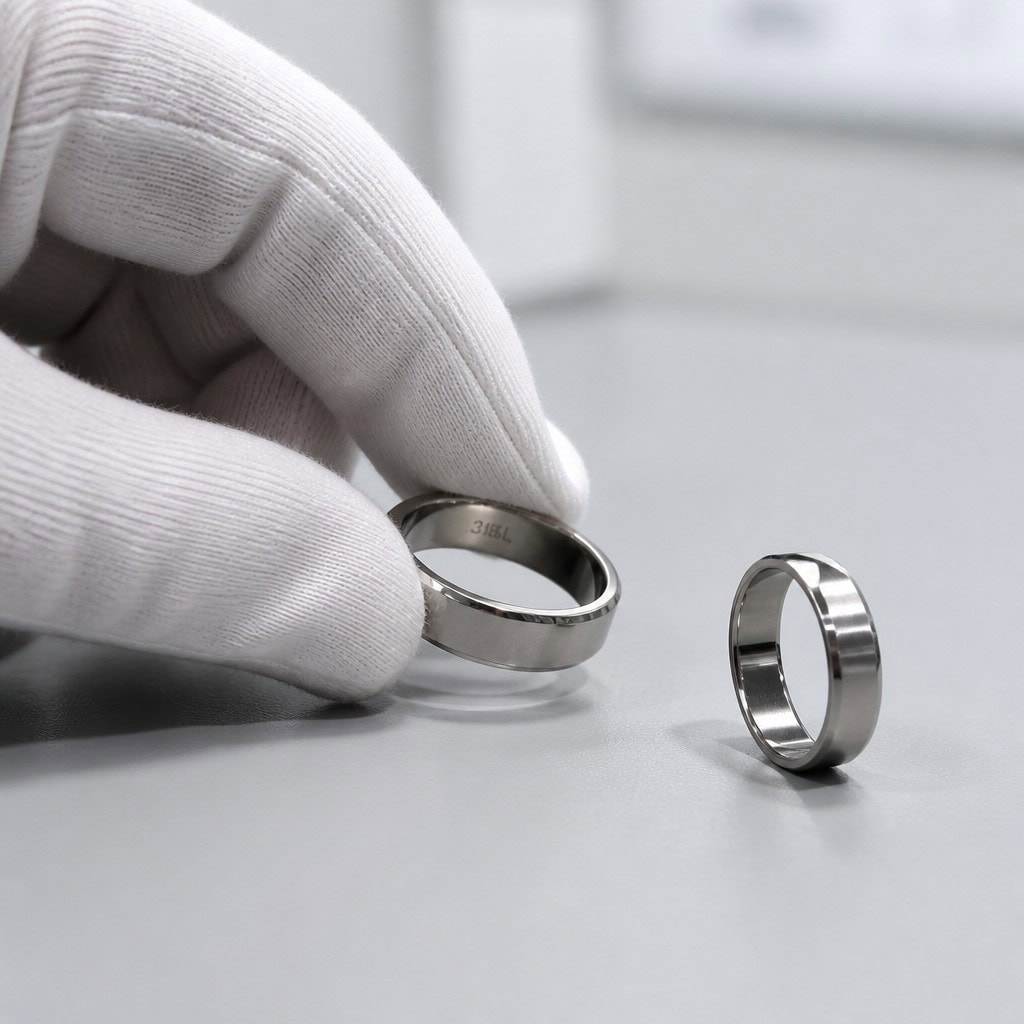
Comfortable Edges and Surfaces
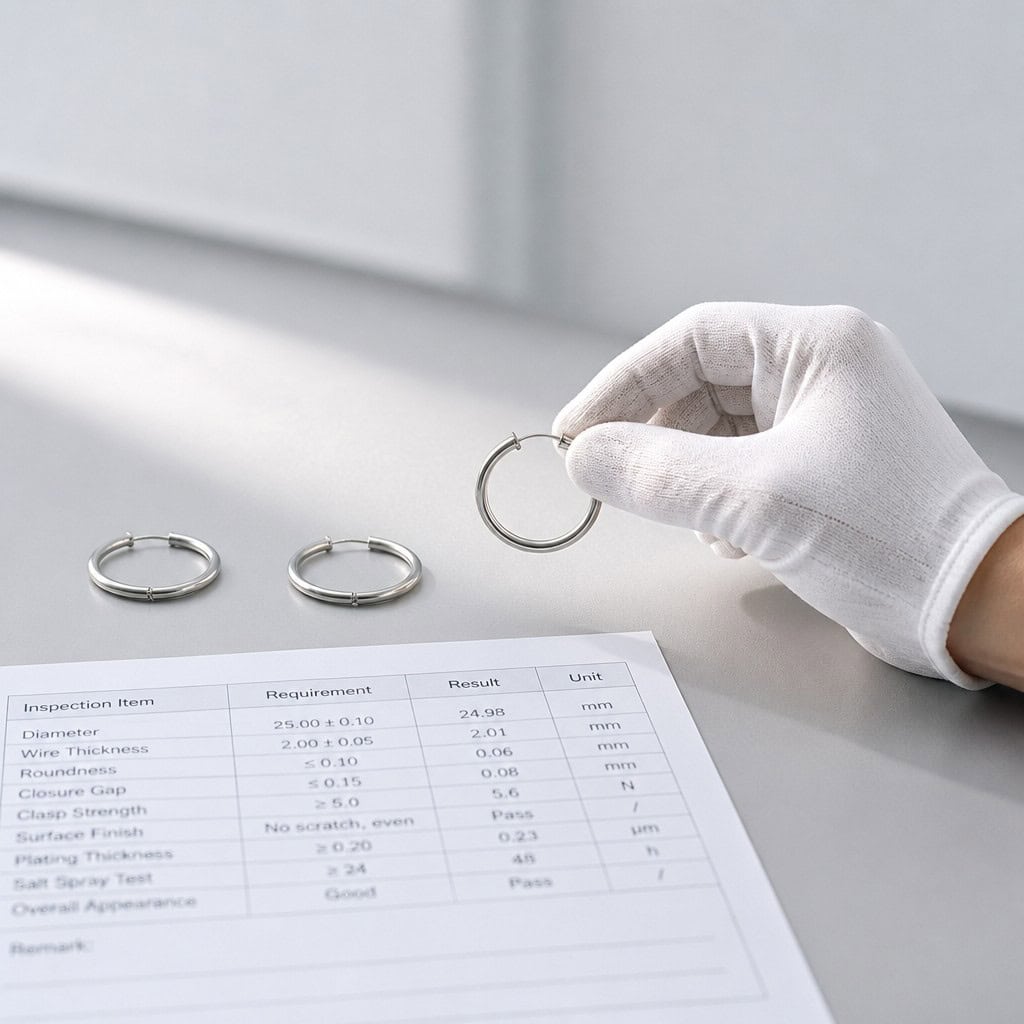
Skin-contact areas, inner ring surfaces, ear posts, bracelet openings, pendant backs, chain interfaces, engraving, cutouts, and weld zones are reviewed for burrs, sharp edges, rough transitions, excessive protrusions, and trapped polishing compound. Drawings identify critical surfaces while deburring, edge rounding, polishing, and visual inspection control the finished condition. Acceptance follows the approved sample and documented surface zones, not an undefined statement such as smooth finish.
Reliable Connections and Movement
Clasps, jump rings, chain links, bails, ear posts, hinges, springs, screws, magnets, stones, and adhesive joints are selected and tested according to the actual structure. We define connection direction, wire diameter, weld or assembly method, movement range, load point, and applicable pull, torque, opening-cycle, drop, or attachment test. A stronger component does not solve an incorrectly positioned joint, so the whole assembly is reviewed.
Finish and Transit Protection
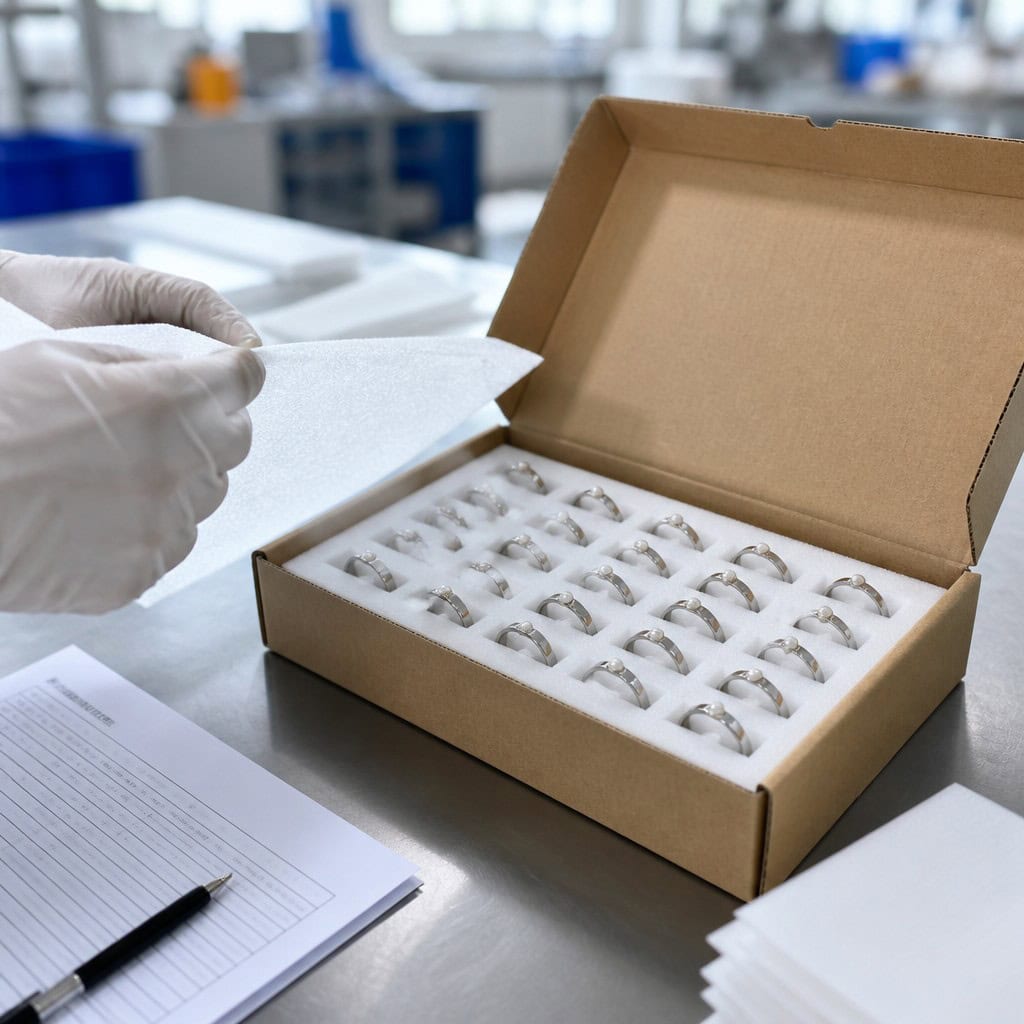
High-polish, mirror, brushed, sandblasted, plated, stone-set, resin, and mixed-finish products require different handling and packing protection. We define rack or contact zones, visible A/B/hidden surfaces, separator materials, protective film where suitable, anti-tangling methods, ear-post protection, stone clearance, product orientation, and pack-out quantity. The objective is to preserve the approved surface through inspection, storage, packing, international freight, warehouse handling, and receiving.
Control Surface Treatment From Specification to Plating Batch
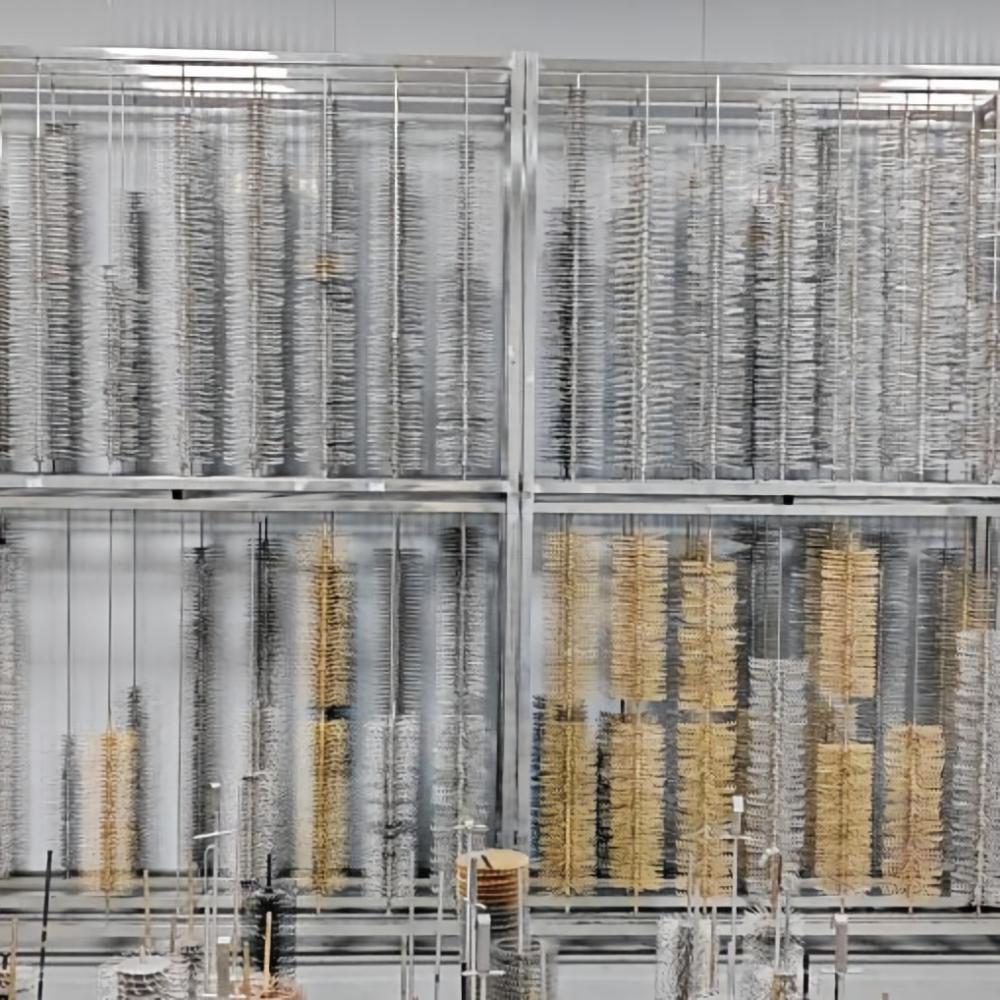
Chicolink operates an in-house plating workshop for PVD/IP, water plating, and other approved electroplating processes. We select the route according to substrate, geometry, required color, finish, layer structure, thickness, handling, testing, quantity, cost, and order conditions. In-house capability improves process coordination and record control, but it does not justify an automatic claim that every finish is environmentally preferable, waterproof, hypoallergenic, or permanently fade-free. Each approved surface system is linked to its sample, color reference, production batch, inspection method, and stated performance conditions.
Approve the Complete Surface System, Not Only a Color Name
- Preparation: We confirm the material, fabrication condition, welding, deburring, polishing or texture, cleaning, and visible surfaces before plating.
- Color reference: We define the shade, gloss, texture, physical standard, viewing condition, allowed variation, and repeat-order matching requirement.
- Process route: We use PVD for selected gold, rose gold, black, gun metal, and other approved colors. Water plating may suit rhodium, silver-color, special effects, or different structures. Engineering confirms the route.
- Layer requirement: We record the layer structure, target thickness, measurement method, critical surfaces, rack points, tests, and commercial impact. A color name does not define thickness.
- Batch control: We link the SKU, sample, substrate, color standard, plating batch, quantity, inspection, disposition, and date.
- Performance wording: We state performance under defined material, process, test, handling, and use conditions. We do not promise permanent color or zero environmental impact.
We review any change in substrate, preparation, color, layer, supplier input, or acceptance standard before repeat production.
Define Environmental Requirements With Verifiable Project Evidence
We separate environmental requirements by factory, process, material, product, packaging, logistics, and reporting scope. Before accepting a requirement or publishing a claim, we identify its evidence, owner, period, legal entity, site, supplier, product, and batch. If the evidence is unavailable or outside the project scope, we record the gap instead of presenting the requirement as completed. This separates current documentation from project-specific verification and future improvement targets.
Review Environmental Inputs Before Making an External Claim
- Factory documents: We review requests for permits, wastewater or emissions information, hazardous-waste records, contractor records, and site-level management evidence before sharing available files.
- Material and scrap: Recycled-content or recovery requirements must identify the material, percentage, batch, supplier evidence, and processor. Recyclability alone does not prove recycled content.
- Energy, water, and emissions: Numerical claims require a defined boundary, baseline, period, method, and source records. We do not create unsupported reduction or carbon-neutral statements.
- Packaging: We confirm dimensions, protection, pack quantity, cards, pouches, boxes, inserts, labels, and cartons. Right-sized packing can reduce avoidable material and volume without weakening product protection.
- Certified packaging: FSC, recycled, biodegradable, or compostable claims require supplier evidence for the ordered material, including relevant printing, coating, adhesive, and disposal conditions.
- Improvement projects: When you set an environmental target, we define the current state, change, owner, cost, MOQ, timing, evidence, and approval point before adding it to the order.
Prepare Workplace Evidence for Customer Factory Audits
We support customer factory audits and agreed third-party assessments for qualified projects. Workplace responsibility is reviewed at site level, separately from product quality and chemical testing. Before an audit, we confirm the factory identity, protocol, requested records, confidentiality, visit date, interview requirements, findings process, corrective actions, and report access. We use current records for the named site and audit period, not an old logo or unrelated document.

Match Every Social Responsibility Statement to Current Records
- Audit scope: You define whether the review covers labor, working hours, wages and benefits, health and safety, environment, business ethics, subcontracting, or another supplier code.
- Site identity: Documents must match Chicolink Jewelry (Dongguan) Co., Ltd., the audited address, activity, and period. An unrelated group or supplier document does not cover this factory.
- Document readiness: Subject to law and confidentiality, requested records may cover policies, employment, time and payroll, safety, training, incidents, emergency procedures, permits, suppliers, and previous corrective actions.
- Management systems: We use ISO 9001 wording only after verifying the version, scope, issuer, legal entity, and validity. It does not prove performance outside that scope.
- Social audits: We describe BSCI or SMETA as an audit framework or report, not as product certification. We state current status, findings, and corrective actions accurately.
- Corrective action: We record the gap, containment, root cause, action, evidence, owner, and completion date before closure.
Build Responsibility Requirements Into the Production Specification
We convert your responsibility requirements into controlled commercial and technical inputs before bulk production. The process applies to OEM designs, Chicolink-supported ODM development, private labels, packaging, and repeat programs. Each requirement receives an owner, evidence source, approval point, cost and timing impact, and applicable SKU or batch. Open questions remain visible instead of becoming factory assumptions. The resulting specification governs quotation, sampling, purchasing, process release, inspection, documents, shipment approval, and change control.

Move From Responsibility Brief to Controlled Bulk Delivery
1. Define the program: Confirm the market, channel, product, quantity, price position, launch date, destination, responsibility policy, and supplier code.
2. Classify requirements: Assign each item to the company, factory, supplier, material, component, product, plating color, packaging, logistics, document, or batch.
3. Review feasibility: Our teams assess availability, process impact, report scope, MOQ, cost, and timing.
4. Control specifications: Record materials, components, dimensions, finishes, plating, logos, packaging, quality points, and approved substitutions.
5. Plan verification: Define required product, color, function, packaging, and pre-production samples, tests, reports, and approvals.
6. Release production: Use approved drawings, BOMs, samples, color standards, quality plans, packaging files, and document checklists.
7. Inspect and document: Complete applicable incoming, process, finished-product, packaging, AQL, laboratory, or third-party checks before release.
8. Control repeat orders: Retain approved versions, batch records, issue history, and change decisions for replenishment.
We record unresolved requirements and obtain your decision before they affect production or shipment release.
Control Quality at Eight Defined Production Gates
Our quality workflow connects approved requirements to incoming materials, process checks, finished products, packaging, and shipment release. The inspection plan follows product risk, structure, market, quantity, approved sample, customer standard, and agreed AQL. Records identify the order, SKU, batch, sample basis, inspector, result, nonconforming quantity, disposition, and reinspection where applicable.
Incoming Material Control
IQC reviews approved material and component specifications, supplier identity, quantity, dimensions or condition where applicable, visible defects, stones, findings, chains, clasps, ear posts, and packaging inputs. A mismatch is identified before it reaches forming, welding, polishing, plating, assembly, or pack-out, with isolation and disposition recorded against the receiving batch.
First Article Approval
Before a process or bulk run continues, the first article can be checked against the current drawing, BOM, dimensions, structure, logo, direction, surface, color requirement, components, and packaging basis. This gate prevents a tooling, setup, assembly, file, or orientation error from being repeated across the production quantity.
In-Process Inspection
IPQC checks defined points after relevant cutting, stamping, forming, casting, machining, drilling, welding, deburring, polishing, setting, plating, and assembly stages. Inspectors look for dimensions, deformation, burrs, rough welds, poor access, missing parts, loose stones, incorrect direction, and other defects before additional value is added.
Dimension and Function
Calipers, micrometers, gauges, fixtures, or other suitable tools verify defined dimensions and tolerances. Clasps, hinges, threads, springs, magnets, ear posts, adjustable structures, stones, and connections receive applicable function or strength checks. The method, measurement location, loading direction, sample quantity, and acceptance requirement follow the drawing or inspection plan.
Surface and Plating
Inspection covers scratches, pits, burrs, polishing direction, texture, rough welds, color, brightness, coverage, exposed substrate, burning, peeling, spots, rack marks, and unacceptable variation on agreed visible surfaces. Color and thickness are compared with the approved reference and project requirement using the agreed visual or measurement method.
Finished Product Control
FQC checks appearance, dimensions, components, assembly, function, logo, decoration, stones, left-right pairing, quantity, cleanliness, and SKU identity against the approved product basis. Nonconforming pieces are separated for classification, rework, replacement, rejection, or another approved disposition before they enter final packaging.
Packaging Verification
Before pack-out, we verify product, pair or set quantity, jewelry card, pouch, box, insert, care card, barcode, SKU, FNSKU, label position, product orientation, scratch protection, anti-tangling method, ear-post protection, inner-box quantity, carton assortment, carton mark, and current approved packaging-file version.
AQL and Shipment Release
Unless you specify otherwise, our reference uses normal inspection, General Inspection Level II, Critical Ac 0/Re 1, Major AQL 1.0, and Minor AQL 2.5. We confirm your standard, sample size, defect definitions, third-party inspection, corrective work, reinspection, and shipment authority in writing.
Plan Testing by Product, Finish, Market, and Claim
We support internal evaluation and agreed third-party testing by product, body and component materials, plating structure, color, target market, customer standard, and production stage. Not every test applies to every order, and one report rarely covers unrelated SKUs or finishes. Before testing, we confirm the standard, samples, laboratory, conditioning, method, cost, timing, acceptance criteria, report owner, and shipment effect. We also document destructive samples, failures, retesting, and changes that affect report scope.
| Test or Requirement | Chicolink Reference or Support | Important Scope Conditions |
|---|---|---|
| Material verification | Material declarations, incoming records, or agreed composition analysis | Confirm the body and relevant components; appearance does not verify 304 or 316L |
| Artificial perspiration | Internal reference: 40 ± 2°C, 24 hours, pH 4.7 ± 0.2 | Define formula, contact, cleaning, measurement, samples, and acceptance |
| Salt spray | Internal references: 24 hours bare steel, 48 hours plated/PVD, 72 hours for high-corrosion requirements | Define the standard, solution, pH, temperature, sample position, inspection, and acceptance |
| Pull strength | References: 30 N for small decorative or ear-post connections, 40 N for pendant/connecting rings and clasps, 30 N for necklaces, and 60 N for bracelets | Product structure, fixture, direction, speed, 10-second hold, sample quantity, and customer standard take priority |
| Nickel-related testing | EN 1811 and EN 12472 support for applicable EU and skin-contact requirements | Confirm material, components, coating, wear preparation, limit, laboratory, and current standard |
| Lead and cadmium | Lead Free and Cadmium Free testing support by product and market | Confirm relevant materials, components, colors, decorations, and target regulation |
| REACH and Prop 65 | Review existing evidence or arrange order-specific testing | Reports cover only the named sample, materials, finish, method, date, and tested substances |
| RoHS and CE | Evaluate only where the product and channel fall within legal scope | Ordinary non-electronic jewelry is not automatically subject to CE or RoHS |
| Third-party services | Coordinate SGS, HKPC, appointed laboratories, and inspection | Confirm fees, timing, samples, access, report ownership, confidentiality, and release authority |
Trace Production Evidence and Close Quality Problems
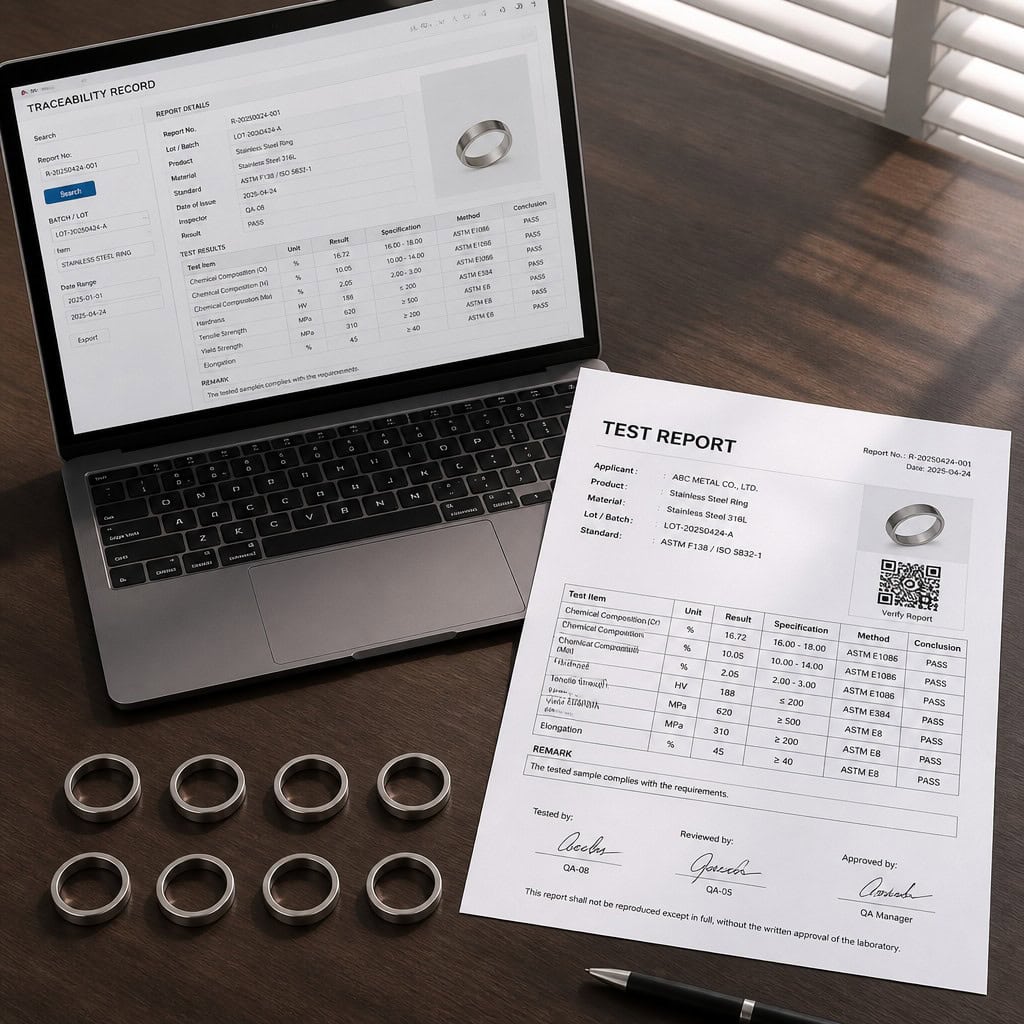
We use the order number, SKU, and production batch as core traceability references. We connect the approved product version with material, manufacturing, plating, inspection, packaging, shipment, and complaint information to isolate the affected scope. Traceability supports investigation and repeat supply; it does not replace correct specifications, process control, or testing. Record depth and retention follow our procedure, the customer agreement, market obligations, and practical process capability.
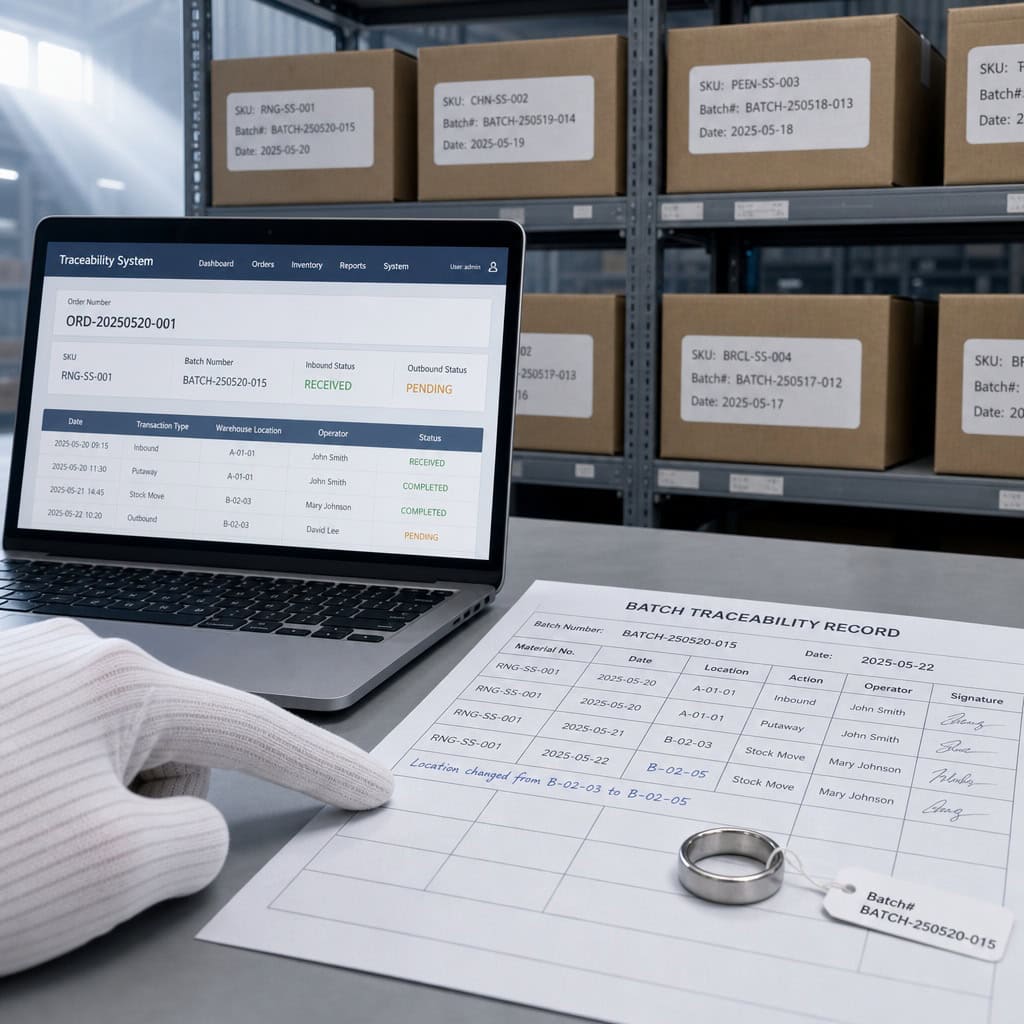
Connect the Batch Record From Material to Shipment
- Approval basis: Customer, project, SKU, drawing, BOM, artwork, sample, color, packaging file, date, and revision.
- Materials: Grade, component specification, supplier, incoming batch, receiving result, substitution, and approved deviation.
- Manufacturing: Work order, date, workshop, route, quantities, key checks, rework, and yield where recorded.
- Plating: Workshop, equipment or line, color, batch, layer requirement, quantities, inspection, disposition, and date.
- Quality and pack-out: IQC, IPQC, FQC, AQL or full inspection, tests, packaging batch, cartons, packing list, and shipment.
- Complaint input: Order, SKU, batch, quantity, images, packaging, receipt date, use or storage conditions, and requested resolution.
- Corrective action: Isolate, verify, contain, find root cause, correct, prevent recurrence, reinspect, and retain closure evidence.
- Change control: Review material, supplier, tool, drawing, component, plating, test, packaging, or process changes before approval.
These linked records let us compare repeat orders with the approved basis and investigate deviations without relying on memory or uncontrolled images.
Representative Responsible Manufacturing Project Scope
This representative scope shows how we would structure a responsible stainless steel jewelry program for a European brand. It is not a named-client testimonial or a completed-project claim. Final feasibility, evidence, pricing, testing, timing, and results follow the approved commercial and technical documents. The example shows how customer decisions, factory controls, external reports, and claim limits enter one order.
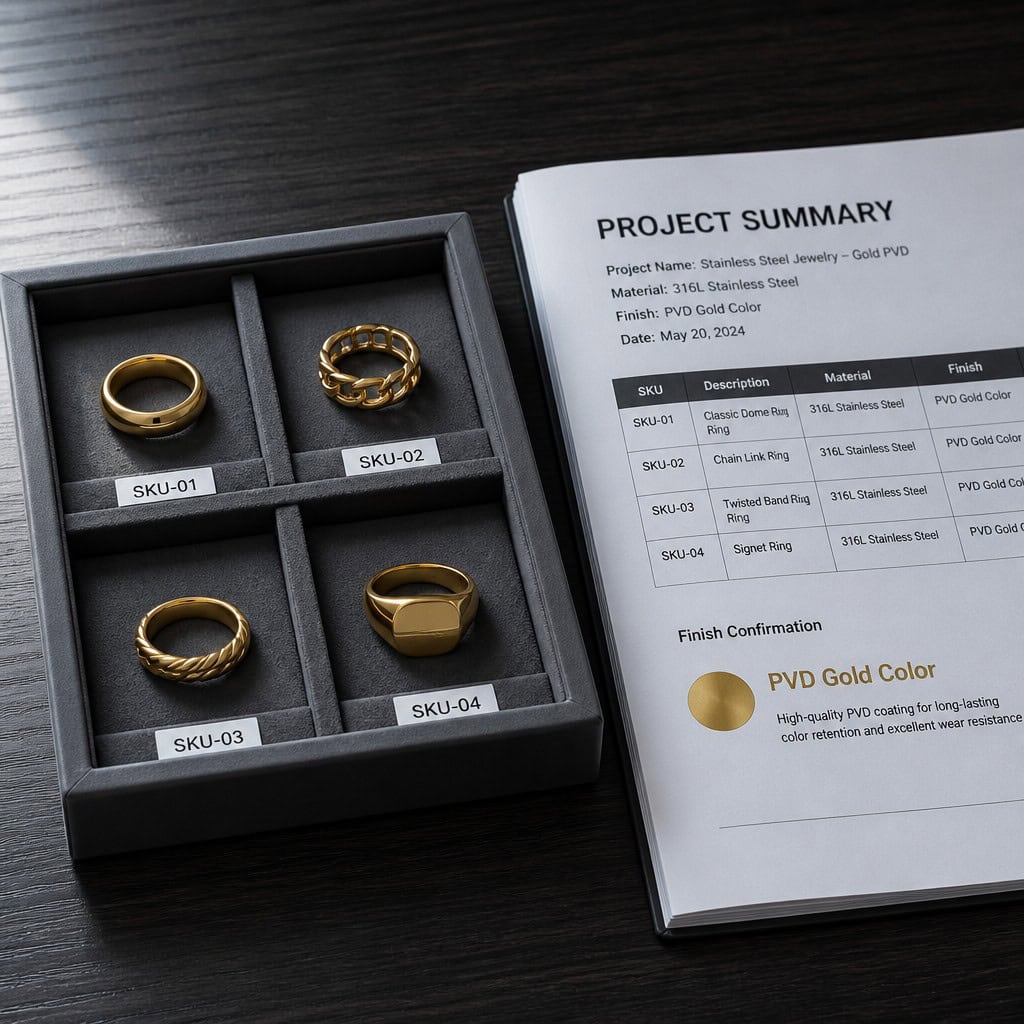
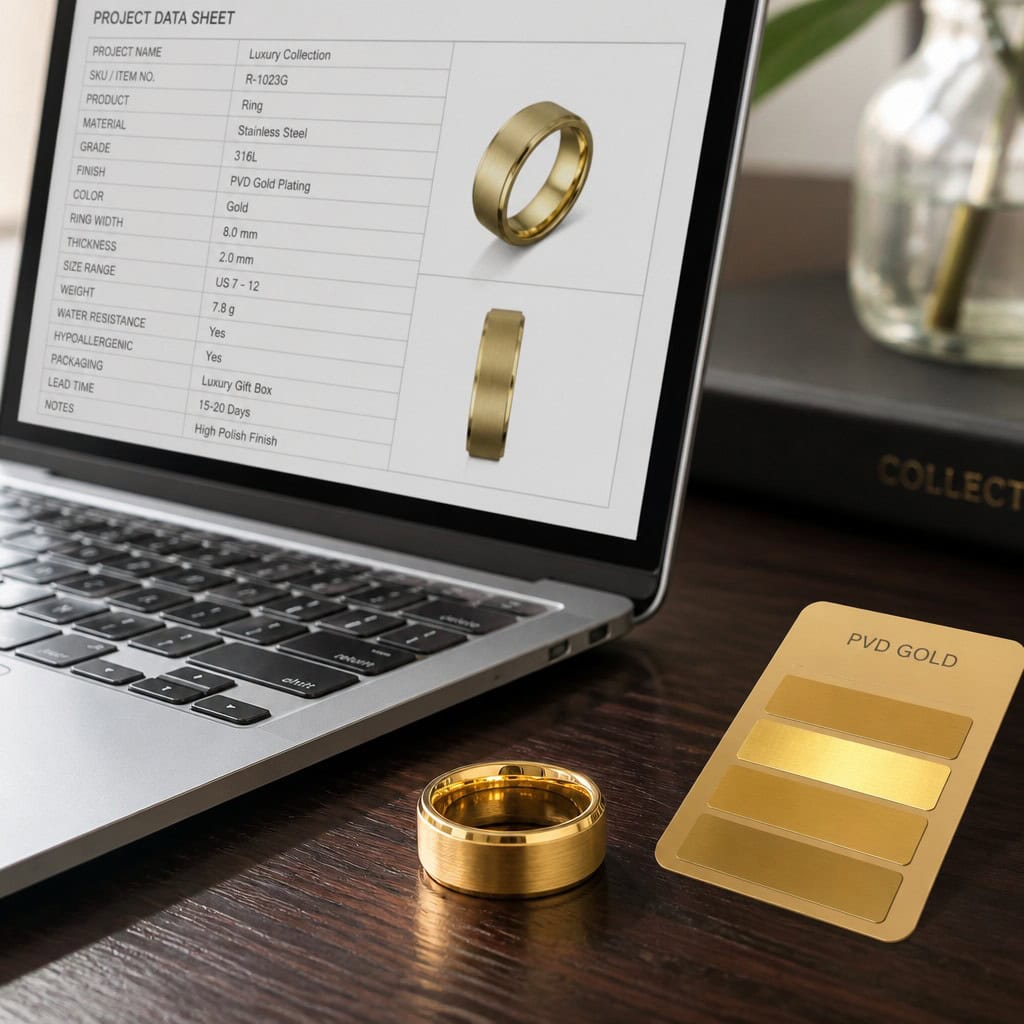
Four-SKU Responsible Manufacturing Program
Use Scenario
A European DTC and retail brand plans four gold-color stainless steel jewelry SKUs for a repeat seasonal program. Requirements include 316L main bodies, component-level material records, private-label packaging, EU-focused chemical testing, color control, pre-shipment inspection, and supplier-review files.
Key Challenge
- Separate the 316L body claim from chains, clasps, ear posts, springs, stones, and other components.
- Convert the responsibility policy into product, factory, test, packaging, and report requirements.
- Control one gold-color standard across different geometries and surfaces.
- Keep each laboratory result within its tested scope.
- Prepare repeat-order records without unsupported environmental or certification claims.
Chicolink Solution
- Approve one drawing and BOM per SKU, including body and component materials.
- Confirm preparation, PVD color, layer requirement, rack zones, test samples, and acceptance.
- Separate documented evidence, project-specific tests, customer approvals, and open gaps.
- Approve product, color, function, packaging, and pre-production samples before bulk release.
- Apply IQC, first-article review, IPQC, plating inspection, FQC, packaging checks, and agreed AQL or external inspection.
- Link material, production, plating, QC, packaging, test, and shipment files to each SKU.
Result
The release package contains approved drawings and BOMs, retained samples, color and plating requirements, applicable test reports, inspection records, packaging files, carton data, and claim limits. We release bulk shipment after closing the agreed product, packaging, test, and inspection conditions. Unverified recycled-content, carbon, social-audit, or packaging claims remain excluded until supporting evidence is approved.
Project Data
- Representative scope: 4 SKUs × 500 pieces = 2,000 pieces
- Material basis: 316L main bodies with component materials specified separately
- Finish: one approved PVD gold-color program, subject to SKU-specific geometry and surface review
- Packaging: branded card or box, barcode/SKU data, protective pack-out, and export cartons
- Sample reference: OEM/ODM sample timing commonly 25–30 working days after requirements are complete
- Bulk reference: OEM/ODM production commonly 25–45 working days after approvals, subject to testing, inspection, packaging, quantity, and active load
- Evidence: representative project scope; final documents and performance are order-specific
Responsible Jewelry Manufacturing FAQ
These answers explain how we handle claims, material evidence, factory audits, testing, traceability, packaging, and commercial planning. Final obligations follow the approved quotation, drawings, BOM, samples, quality agreement, supplier code, target-market requirements, and order evidence. Legal interpretation, current regulation, confidential audits, and laboratory scope require project-specific review.
Is stainless steel automatically a sustainable jewelry material?
We do not call stainless steel sustainable by default. We first consider the product, source, processing, use, expected life, and end-of-life route. Stainless steel is durable and can enter suitable metal-recovery systems, but recyclability does not prove recycled content or actual recovery. Our project claims follow verified materials, controlled manufacturing, and documented requirements.
Can Chicolink supply verified recycled stainless steel?
We review the required grade, recycled percentage, quantity, material form, verification method, supplier evidence, chain of custody, cost, and timing. We confirm recycled content only when acceptable evidence covers the ordered material. A recyclability statement or unsupported supplier claim is not product-level recycled-content proof.
Is PVD always more environmentally responsible than electroplating?
No. We select PVD or water plating by substrate, geometry, color, layer, performance, and commercial requirements. Any environmental comparison must also define preparation, cleaning, chemicals, energy, water, emissions, waste treatment, product life, and system boundary. We control the approved process in-house but do not treat the process name as environmental proof.
Does one REACH report cover the full collection?
Usually not. We compare the report's sample, materials, components, plating, color, decoration, tested substances, method, standard, laboratory, and date with each SKU and market. A new material, component, supplier, finish, or color may require another review or test before the result can be applied.
Can we arrange a Chicolink factory audit?
Yes. We support factory audits for qualified projects. Provide the protocol, scope, document list, confidentiality terms, timing, interview requirements, report access, and corrective-action process. We confirm whether the audit covers quality, labor, health and safety, environment, business ethics, security, or another supplier code before scheduling the visit.
Is BSCI a product sustainability certification?
No. We describe BSCI as a factory social-audit framework, not product certification. Any statement must identify the audited factory, legal entity, date, result, findings, and corrective-action status. It does not certify steel grade, recycled content, plating performance, chemical compliance, packaging, or every product made at the site.
How does Chicolink support repeat-order traceability?
We link each order and SKU to approved drawings, BOMs, samples, material records, work orders, plating batches, inspections, packaging versions, cartons, shipments, and complaints. The agreed documentation plan defines record depth. If a problem occurs, we use these records to isolate the scope, review production history, decide disposition, and control corrective action and repeat orders.
Can sustainable packaging be included in private labeling?
Yes, subject to verification. We can develop right-sized packs and review recycled, certified, or alternative materials. Claims depend on supplier documents, composition, printing, coatings, adhesives, inserts, protection, and disposal conditions. We confirm packaging MOQ, samples, cost, tests, and timing separately. Kraft color or a natural appearance is not sustainability evidence.
Which responsible manufacturing documents can Chicolink provide?
Subject to scope and confidentiality, we can review company and factory information, available management or social-audit documents, material declarations, test reports, inspection records, QC samples, packaging specifications, traceability fields, and corrective actions. Before sharing or citing a file, we verify its entity, site, issuer, number, date, validity, product, material, color, and permission.
What information starts an accurate project review?
Provide the market, product, files, materials, recycled-content request, finish, quantities, tests, audit requirements, packaging, target cost, inspection plan, launch date, destination, and required claims. Before quoting, we separate confirmed requirements, development goals, and open questions so unsupported statements do not become production obligations.