Stainless Steel Bridal Jewelry Manufacturer
- Manufacturing bridal and fashion jewelry since 2012.
- 200,000+ pcs monthly capacity supports collection launches, wholesale orders, and replenishment.
- 6 jewelry designers and 3 jewelry engineers support rings, earrings, necklaces, bracelets, pearl and zircon sets, and bridal gifts.
- Six in-house PVD vacuum coating machines help maintain approved colors across samples, bulk production, and repeat orders.
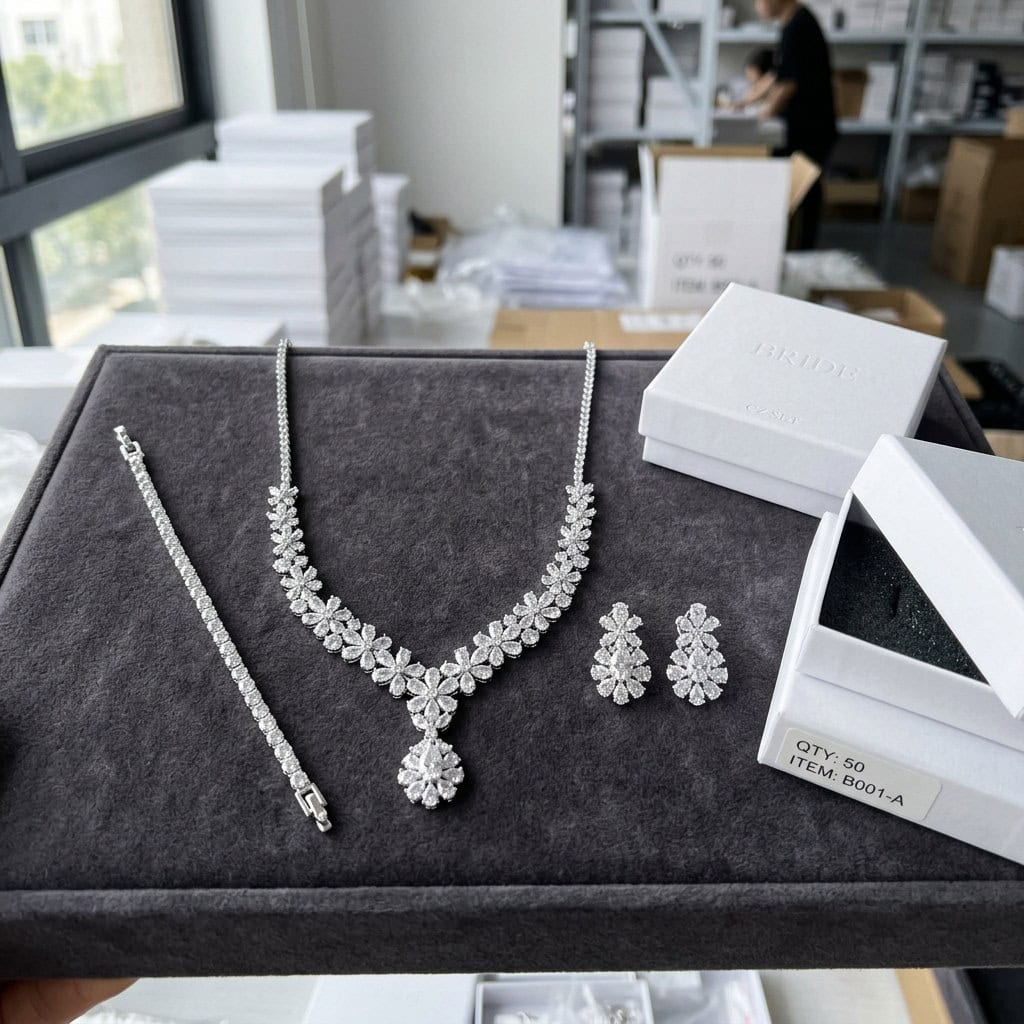
Define the Bridal Program Before Product Development
Chicolink begins a bridal project by defining the commercial program, not by assuming that every wedding product needs the same material, stone, finish, packaging, or inspection plan. Six inputs establish the quotation scope, development route, approval basis, production risk, and information required by brand, product, sourcing, and quality teams across the full sourcing cycle.
Target Bridal Customer
We record whether the collection serves brides, bridesmaids, couples, wedding guests, gift buyers, or several groups. We also review the intended age range, wearing occasion, price position, product claims, and visual direction. This context guides scale, weight, comfort, stone selection, finish, packaging, and assortment balance before engineering begins.
Sales Channel
Tell us whether the products will sell through branded stores, department stores, boutiques, DTC websites, marketplaces, wholesale distribution, or corporate gifting. The channel affects product identification, barcode structure, display format, unit protection, carton sorting, inspection evidence, and the amount of packaging information that must be controlled before shipment.
Product Architecture
We map the intended categories, including wedding bands, couple rings, earrings, necklaces, bracelets, pendants, sets, and bridesmaid gifts. The map identifies hero products, supporting products, shared design elements, sizes, colorways, and set combinations. It also prevents sample work from expanding beyond the approved commercial range.
Price and Quantity
Share the target retail position, target ex-factory or landed cost when available, initial quantity, expected size allocation, and reorder forecast. These numbers help us assess material, weight, stone, process, packaging, tooling, and plating choices. Final pricing follows the confirmed specification rather than an unsupported target alone.
Market Requirements
We record destination countries, retailer manuals, required standards, restricted-substance requirements, inspection protocols, labeling rules, and requested reports. A European chain-store program may need a different testing and documentation route from a US DTC launch. Product, color, components, contact surfaces, and report scope must be identified before testing is scheduled.
Launch Calendar
Provide the required selling date, internal review time, sample approval window, campaign photography date, third-party test or inspection period, destination, and shipping method. Chicolink works backward to identify file, sample, material, production, plating, packing, and shipment milestones. If the calendar is not feasible, we define a reduced or phased scope.
Build a Commercial Bridal Jewelry Assortment
A bridal range must work as a commercial assortment, not as a group of unrelated decorative products. Chicolink can develop coordinated products around a shared motif, pearl or zircon language, PVD color, engraving method, packaging system, and target price position. Select the categories that support the intended customer journey, average order value, store presentation, photography plan, and repeat-order strategy. Each category receives its own size, structure, material, quality, and packing specification, with approvals linked to its exact SKU and variant record.
Wedding Bands
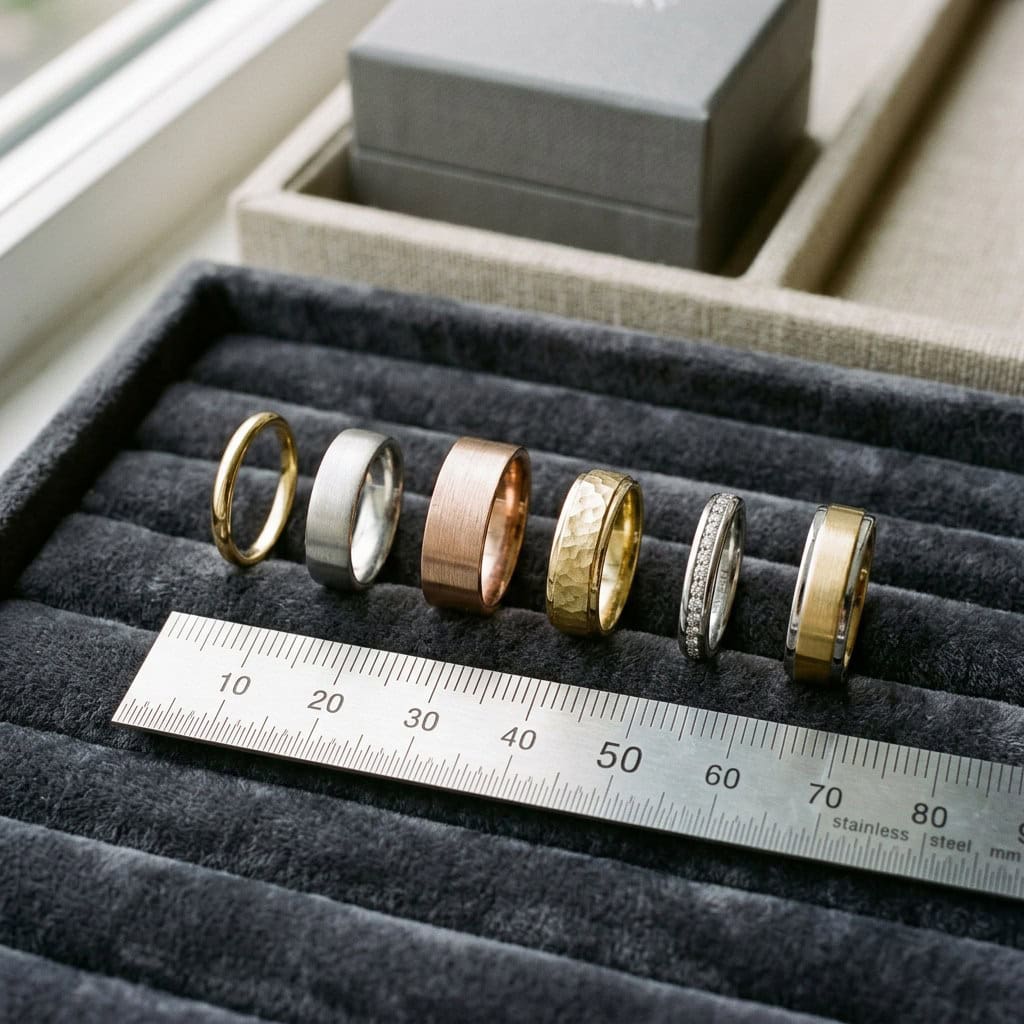
Develop plain, brushed, polished, grooved, inlaid, engraved, stone-set, or two-tone stainless steel wedding bands. Confirm the size system, internal diameter, internal circumference, band width, thickness, profile, edge comfort, finish, PVD color, engraving, and size allocation. Wide bands and non-round internal profiles require physical fitting review rather than simple size-table conversion.
Couple Rings
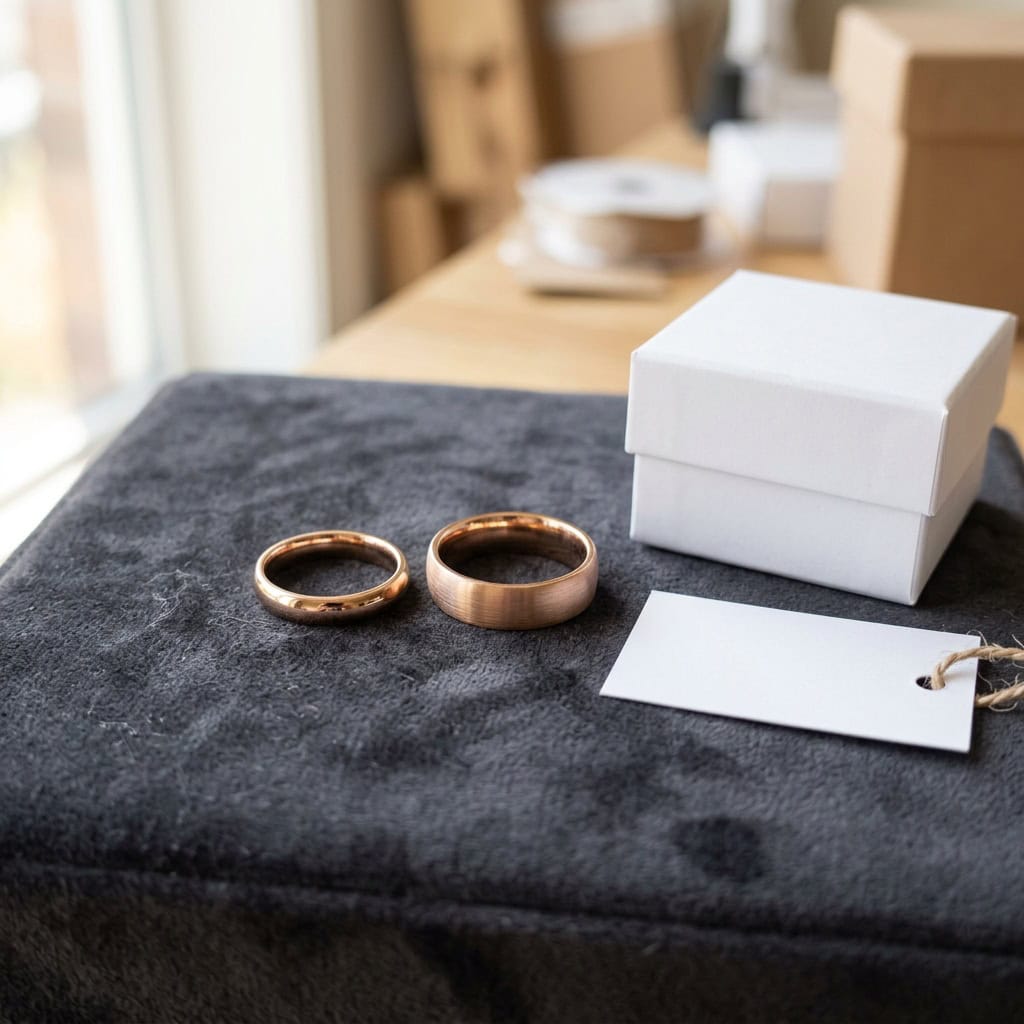
Create coordinated ring pairs through shared profiles, dates, names, symbols, stones, finishes, or complementary design details. Chicolink records each ring as an independent SKU with its own dimensions, size range, weight, color, artwork, and packing position. Pairing rules and mixed-size quantities must be defined before quotation and bulk release in production records.
Bridal Earrings
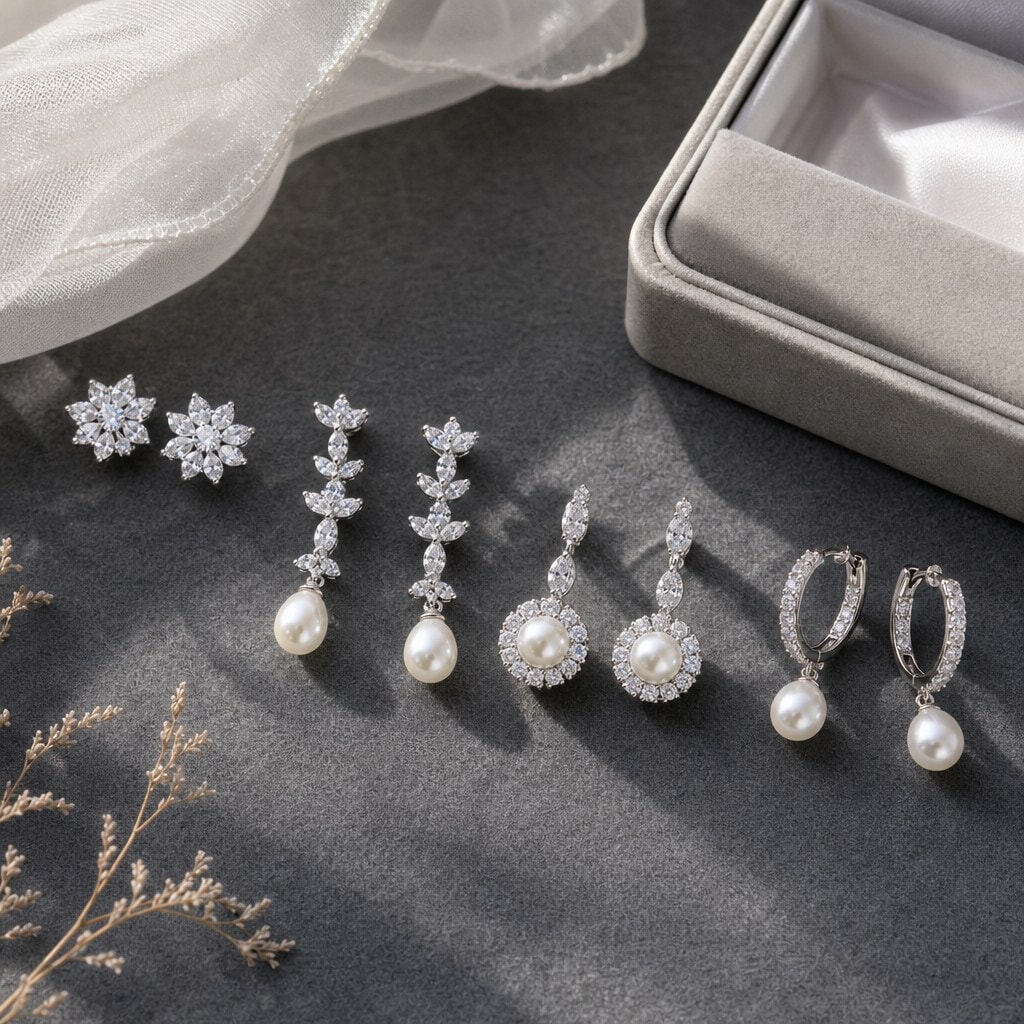
Develop studs, hoops, huggies, drops, pearl earrings, zircon clusters, and statement designs for ceremony, reception, and rehearsal events. Specifications cover total height, post diameter and effective length, left-right direction, closure, stone arrangement, single and pair weight, post welding, surface smoothness, comfort, and protective packing around posts and stones during shipment.
Bridal Necklaces
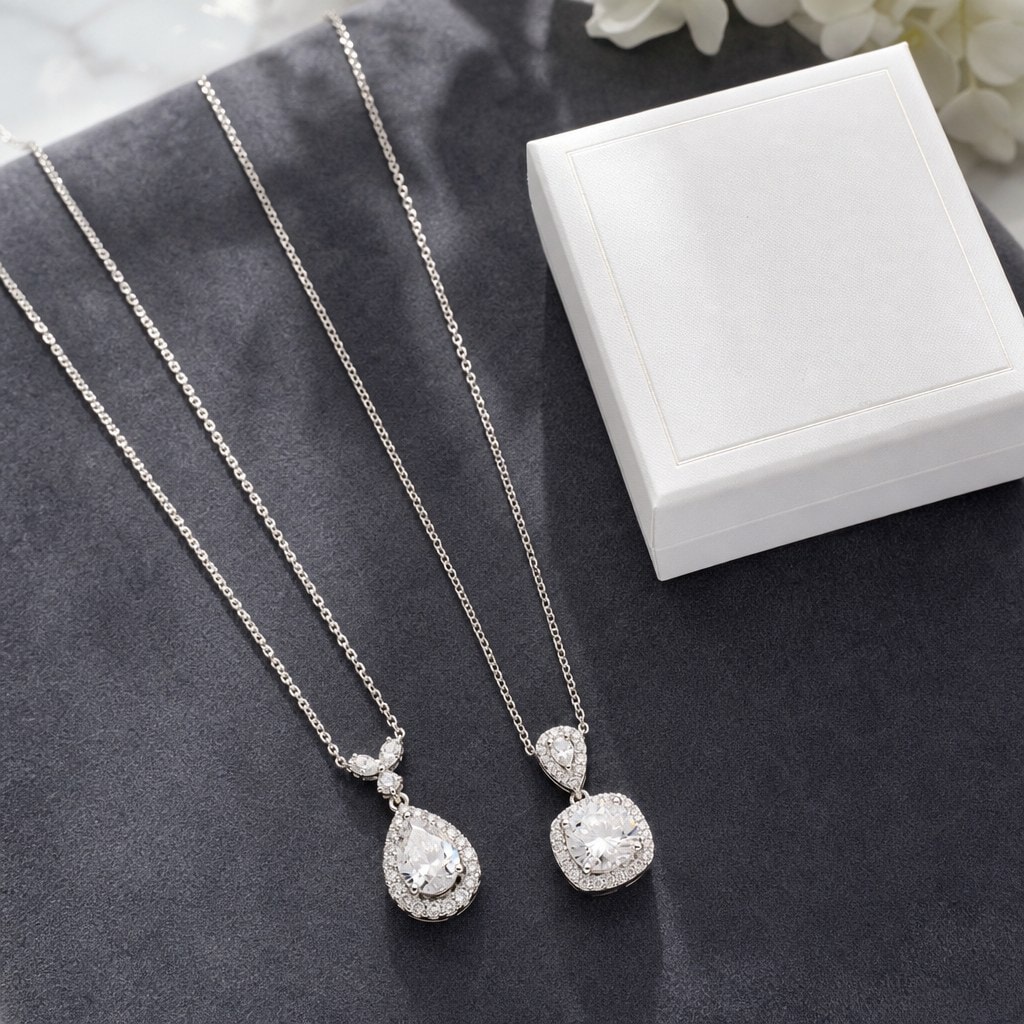
Plan pendant, pearl, zircon, tennis-inspired, layered, choker, and matching-set necklaces. Chicolink records main-chain length, extension length, clasp, pendant dimensions, stone or pearl specification, total weight, chain direction, anti-tangling method, logo tag, and gift-box position. Necklace length must be defined by actual measurement rather than a general style name alone for retail launch.
Bridal Bracelets
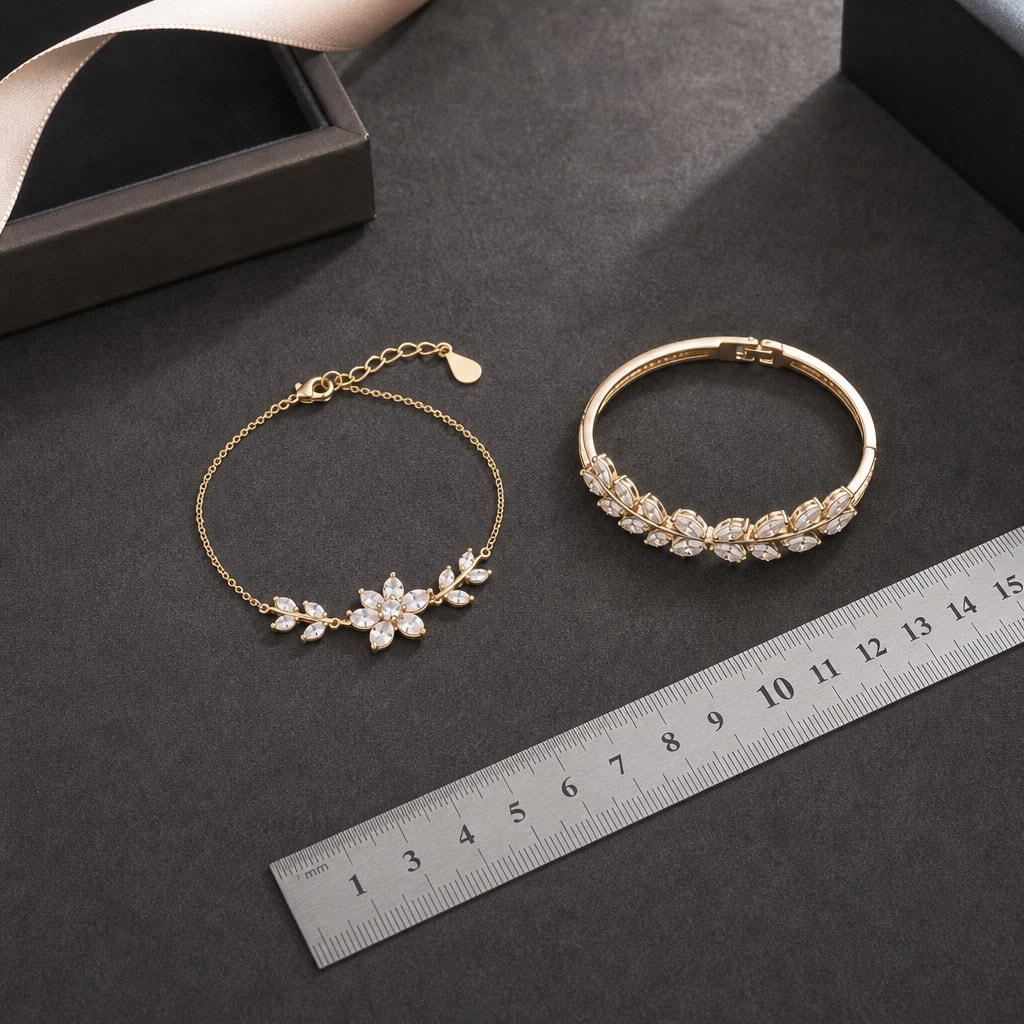
Coordinate tennis-inspired, chain, pearl, charm, sliding, hinged, or bangle structures with the rest of the bridal range. Confirm wrist fit, finished length, extension, internal dimensions, clasp, stone setting, hinge or spring function, product weight, pull requirements, and packing. Wide or rigid structures need additional allowance beyond the measured wrist circumference.
Pearl Jewelry
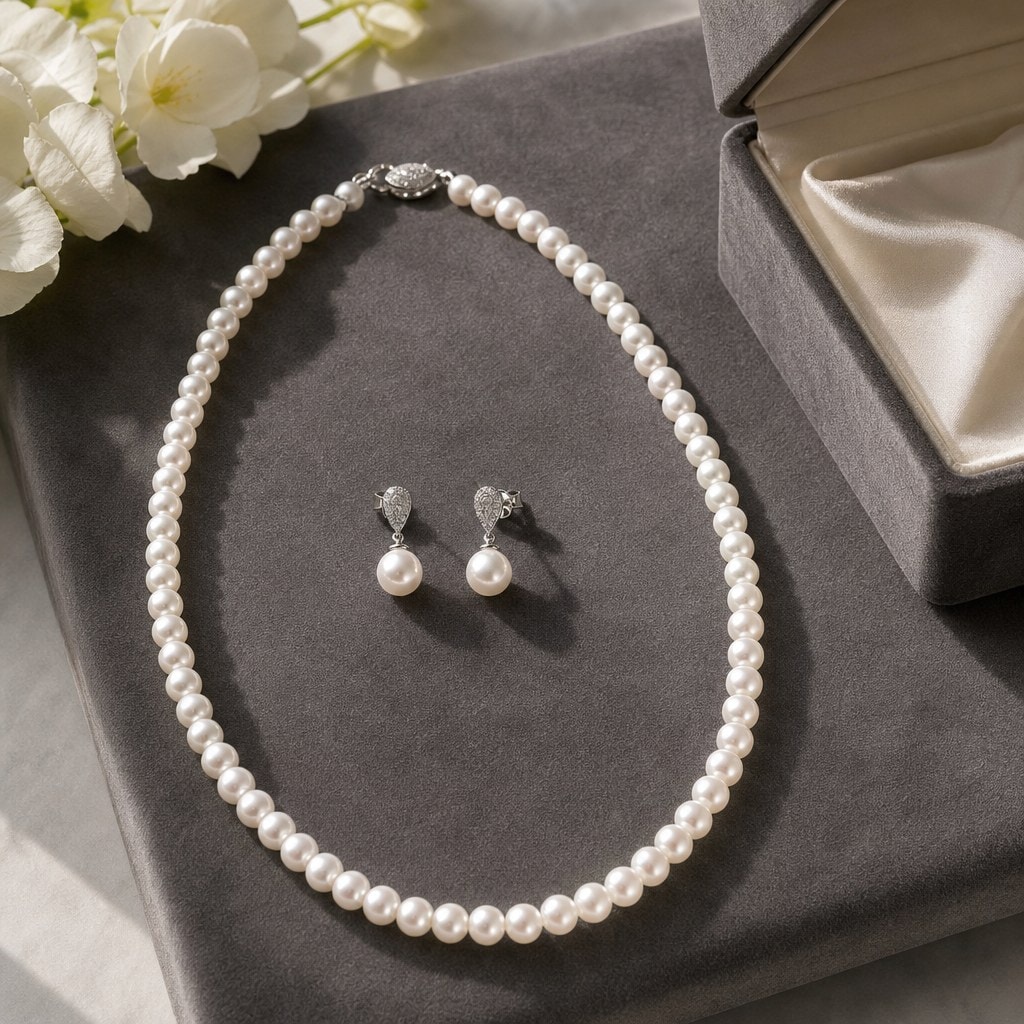
Use freshwater pearls, shell pearls, glass pearls, imitation pearls, or other confirmed materials according to appearance, consistency, cost, and brand position. Specifications cover type, size, shape, color, surface range, holes, pins, adhesives, assembly, matching tolerance, and packing protection. Natural variation must be agreed rather than treated as an undefined defect.
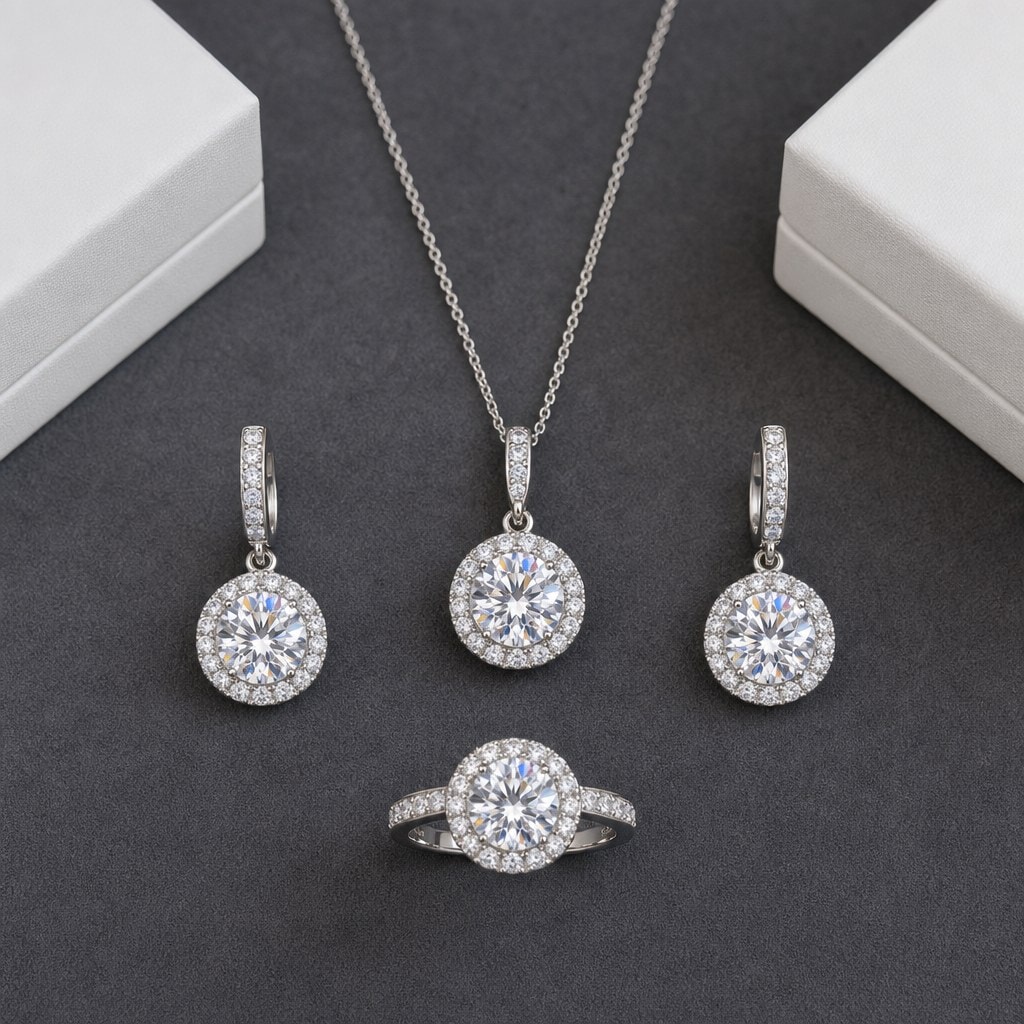
Zircon Jewelry Sets
Build matching earrings, necklaces, rings, and bracelets with clear or colored zircon. Chicolink confirms stone type, shape, cut, size, color, position map, setting method, stone height, alignment, attachment checks, and spare-component policy where applicable. Set components are controlled by individual SKU and by the final set assembly and barcode record.
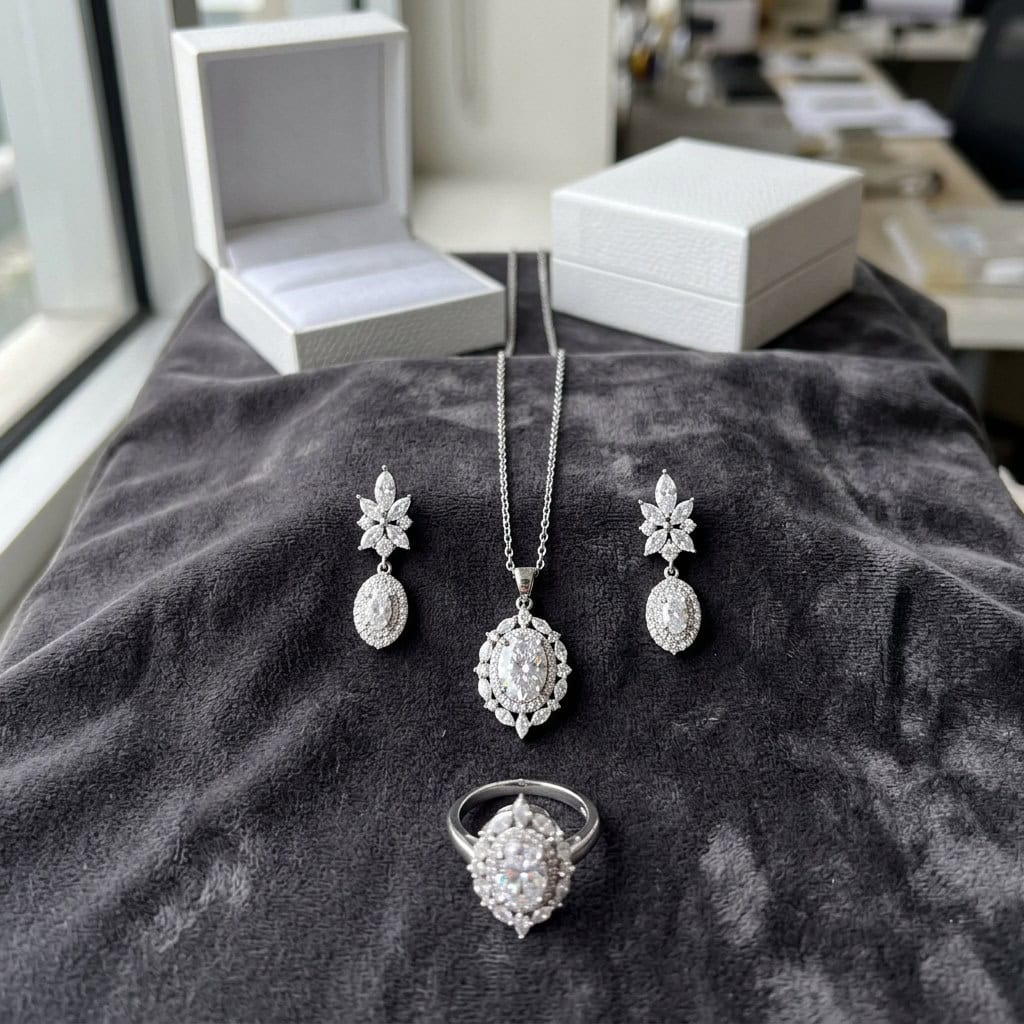
Bridesmaid Gifts
Develop name, initial, date, symbol, birthstone-color, charm, pendant, or compact set options for bridesmaid and wedding-party gifts. Commercial planning includes personalization data, artwork approval, variant control, gift card, pouch or box, packing sequence, order cut-off, and replacement policy. Personalized information must be supplied in an approved and traceable format before production.
Plan Four Commercial Bridal Collection Programs
Start by choosing the commercial result your team needs from Chicolink. A signature collection, a personalization program, a retail rollout, and a DTC launch use different decision owners, inventory logic, evidence, and handover records. We define one primary program before development, then assign its deliverables, milestones, responsibilities, and commercial boundaries. This gives purchasing teams a comparable scope and keeps attractive but nonessential work outside the first quotation. Commercial, technical, quality, and logistics teams can then review the same defined outcome.
Signature Bridal Line
Use this program when the range must express a proprietary brand language. We establish the design system, originality boundary, development ownership, number of concepts, selection stage, sample rounds, tooling terms, and final production files. The output is a release-ready collection package rather than a catalog shortlist. Optional extensions remain outside scope until the core products pass design, engineering, and commercial review.

Bridesmaid Gift Program
Use this program when every order can contain different names, dates, initials, symbols, or recipient messages. We define the data template, character rules, artwork proof, order cut-off, error handling, replacement route, and responsibility for supplied information. The output is a repeatable personalization workflow that purchasing and customer-service teams can operate before orders open, not merely a list of engravable products.
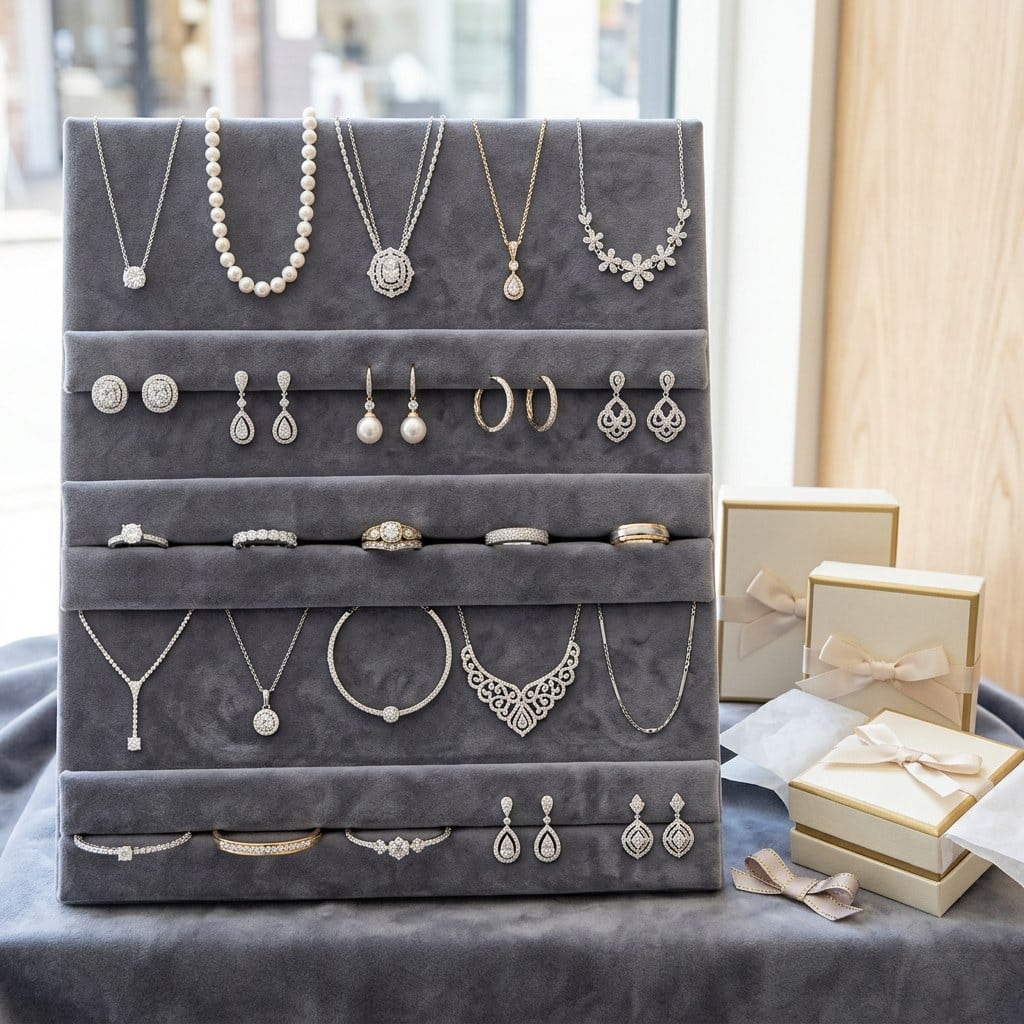
Retail Wedding Collection
Use this program for store, department-store, or chain distribution with formal vendor requirements. We translate the buyer manual into a launch matrix covering store allocation, size and color ratios, receiving data, evidence packages, delivery windows, and replenishment ownership. The output is a purchasing-ready rollout plan. Retailer rules enter the project before samples so later operational changes do not disrupt production.
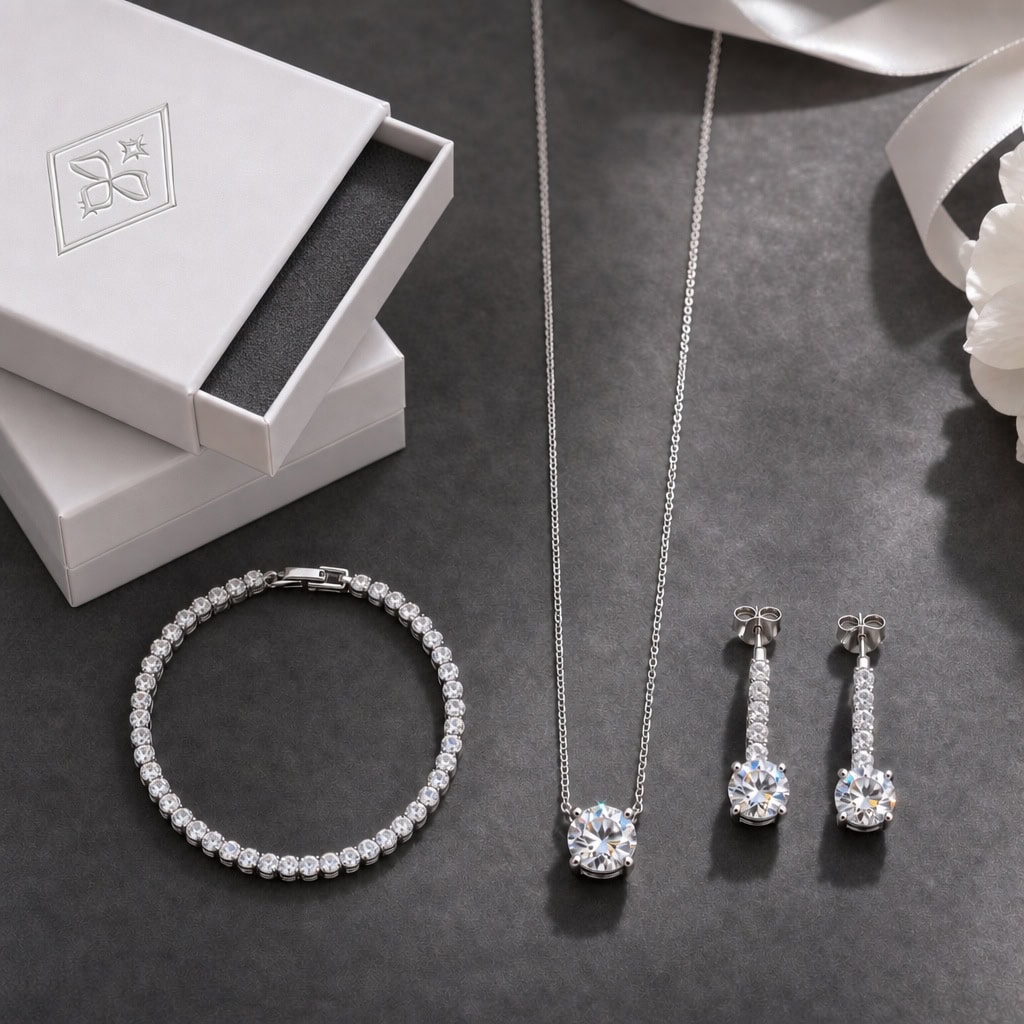
DTC Bridal Drop
Use this program for a timed online launch where photography, variant clarity, fulfillment, and return handling shape the offer. We define the hero SKU, supporting products, set logic, launch quantities, content-sample date, fulfillment data, and replenishment trigger. The output is a compact drop that can be photographed, listed, packed, and reordered without turning the first release into an oversized collection.
Select Stainless Steel by Product and Market
Chicolink selects stainless steel according to the product structure, intended use, contact areas, manufacturing route, finish, target market, buyer specification, cost objective, and test plan. Both 304 and 316L can be appropriate for jewelry when the complete specification is controlled. The correct decision cannot be made from a material name alone because posts, springs, screws, clasps, solder, stones, and other components may use different materials that must be recorded separately in the BOM and verified against the approved product configuration.
| Decision Area | 304 Stainless Steel | 316L Stainless Steel | Chicolink Confirmation |
|---|---|---|---|
| Typical use | Applicable sheet, wire, tube, machined, stamped, and selected cast structures | Applicable premium-positioned, close-contact, PVD, and selected ring or bridal structures | Final suitability follows the design, manufacturing route, use environment, and buyer requirement |
| Processing | Generally offers flexible sourcing and processing for many structures | Higher hardness can increase forming, machining, welding, polishing, and correction difficulty | Engineering reviews geometry, thickness, tolerances, tools, finish, and production quantity |
| Surface and finish | Supports polished, brushed, textured, and confirmed plated finishes | Often selected when a brand requires a refined premium presentation | Approved physical samples and finish references control appearance, not the material name alone |
| Cost and MOQ | Often supports more flexible commercial routes | May increase material and processing cost and can affect MOQ | Price and MOQ are quoted by style, color, size, material form, process, and packaging version |
| Compliance | Material grade does not replace product-specific compliance review | Material grade does not justify an absolute hypoallergenic claim | Target market, contact areas, components, finish, claims, and test requirements are confirmed before release |
| Traceability | Supplier, material form, specification, and incoming batch can be recorded | Supplier, material form, specification, and incoming batch can be recorded | The product specification and BOM identify the material assigned to each applicable component |
Specify Pearls, Zircon, and Stone Security
Pearls and zircon determine the mood, price position, photography, and perceived ceremony value of a bridal range. At this stage, we help product teams choose the material family, visual hierarchy, setting architecture, consistency target, and budget boundary. The goal is a coherent decorative-material brief before engineering begins. Attachment testing, incoming checks, defect criteria, and packing protection are handled later in the dedicated quality modules, so this section remains focused on product creation. This sequence shortens later revisions and sourcing changes.
Pearl Material Strategy
Choose freshwater, shell, glass, imitation, or another available pearl family according to the desired natural character, repeatability, price tier, photography style, and order volume. We compare shape, diameter, color, luster, surface character, hole format, and sourcing range. The decision brief states where natural variation adds value and where the collection needs a more uniform appearance across matching earrings, necklaces, and bracelets.
Zircon Palette and Cut
Build a clear or colored zircon palette around the brand's bridal direction. We review shape, cut, back structure, dimensions, transparency, color relationships, surface treatment, and the number of sizes needed across the range. A restrained stone library can simplify sourcing and strengthen collection recognition. Marketing grade terms are used only when they correspond to a supplier definition and a selected physical comparison.
Setting Architecture
Select prong, bezel, channel, pave, flush, glue, inlay, pearl-pin, or a combined route according to the design language and metal structure. We examine how the setting changes stone exposure, profile height, visual weight, cleaning access, polish access, plating access, repairability, and tooling. Engineering dimensions are finalized after the preferred architecture is selected, preventing technical detail from driving the visual concept too early.
Collection Visual Hierarchy
Decide which decorative element leads the collection and which elements support it. A hero pearl, a repeated zircon shape, a graduated stone rhythm, or a signature metal frame can connect several products without making every SKU identical. We map focal points, scale changes, negative space, symmetry, and matching rules so the collection reads clearly in close-up photography, worn images, gift sets, and store presentation.
Cost and Consistency
Natural character, tight color matching, multiple stone sizes, complex settings, and special cuts can increase sourcing time, sorting, labor, and replacement risk. We show which choices create visible customer value and which mainly add hidden complexity. Product teams can then protect the signature feature while simplifying secondary details, aligning the material decision with target cost, quantity, launch timing, and planned replenishment.
Approved Material Library
The selected pearl and zircon options are assembled into a project library with supplier references, dimensions, colors, sample photographs, intended SKUs, and allowed alternatives. This library gives design, engineering, purchasing, and costing teams one shared source during development. When a component becomes unavailable or changes materially, we present the impact and an alternative for approval rather than substituting it silently in the collection.
Choose Bridal Colors and Surface Finishes
Color and surface finish must remain coherent across wedding bands, earrings, necklaces, bracelets, sets, logo tags, and repeat orders. Chicolink reviews the substrate, product geometry, polishing level, texture, PVD/IP or water-plating route, color reference, target layer structure, test requirement, and packing protection together. A verbal color name alone cannot control a bridal collection. We use customer-approved samples or confirmed references as the production basis and record separate colors as separate controlled variants throughout production and inspection.
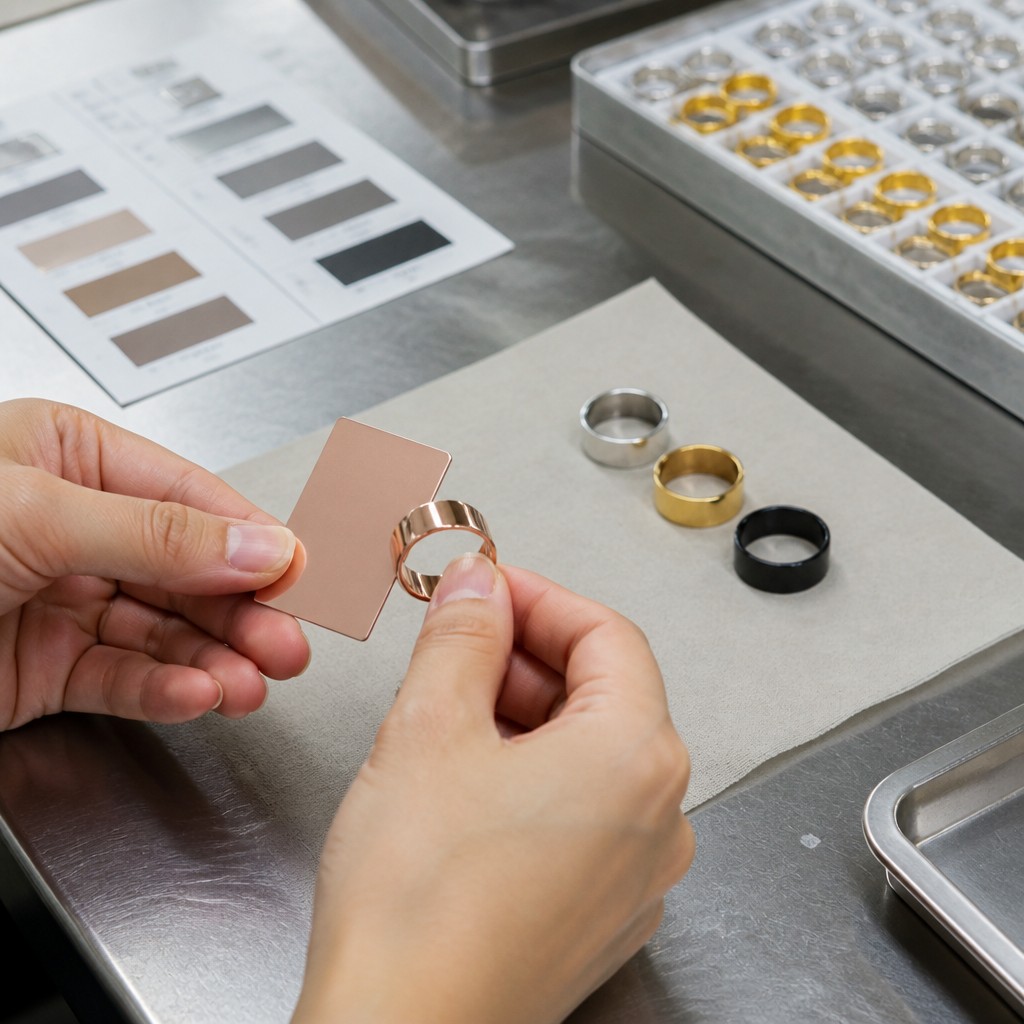
Bridal Color Direction
Define the color family according to the collection concept, target market, product category, and approved physical reference. Available directions may include 24K Gold, 18K Gold, 14K Gold, Rose Gold, White Gold or Platinum Color, Steel Color, Silver Color, Rhodium Color, and other confirmed standards. Similar commercial color names may produce visibly different results, so the project specification links each name to an approved sample or controlled reference rather than relying on wording alone.
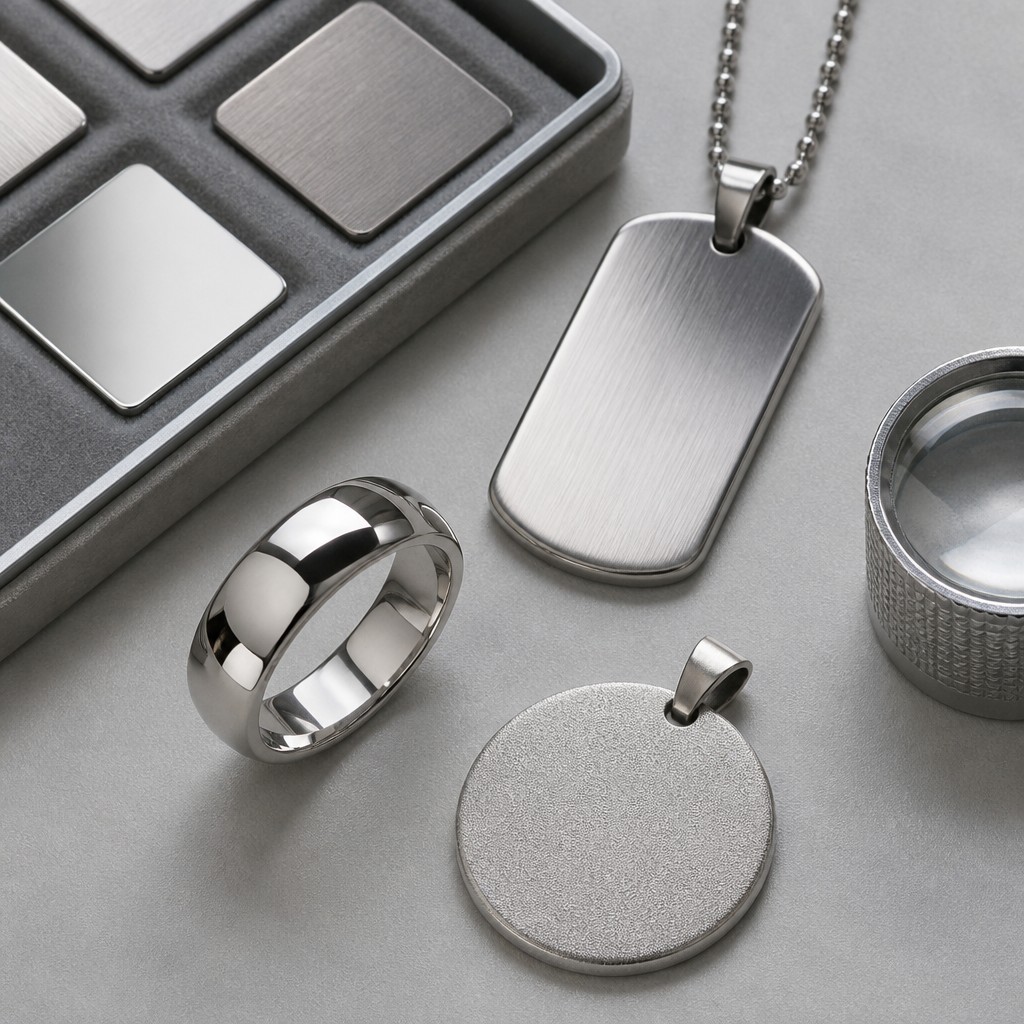
Surface Preparation
Select high polish, mirror, brushed, matte, sandblasted, textured, or mixed surfaces according to the desired bridal character and product geometry. Surface preparation affects brightness, perceived color, reflection, scratch visibility, plating coverage, and consistency between matching products. We identify the primary appearance faces, texture direction, transition areas, and acceptable process marks before color approval so the same finish can be evaluated consistently across rings, earrings, necklaces, and bracelets.
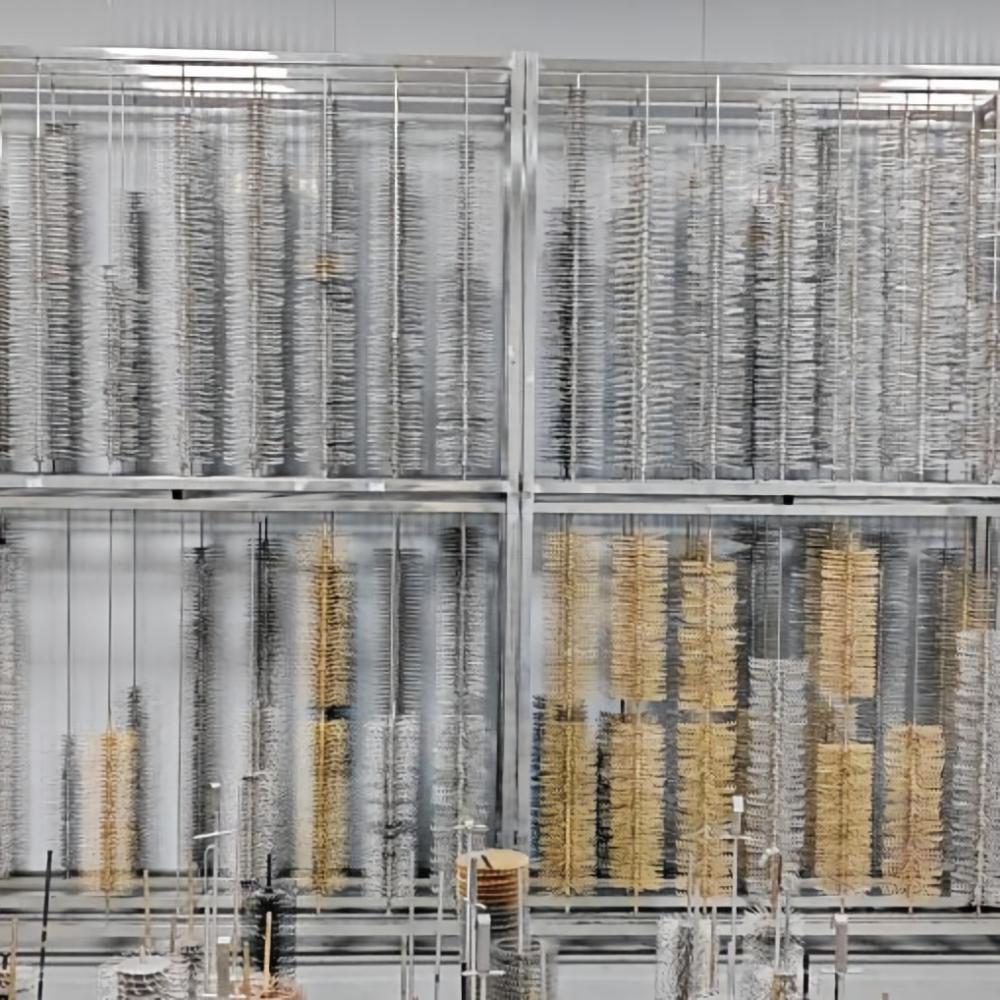
PVD/IP Layer Structure
Choose the PVD/IP structure according to the required appearance, substrate, geometry, target durability, testing plan, and commercial position. Chicolink’s internal E1 reference uses approximately 0.4 micrometers of TiN with 0.05 micrometers of Au/Gold, while E2 uses approximately 0.7 micrometers of TiN with 0.1 micrometers of Au/Gold. These are internal reference structures rather than universal specifications. The final coating system, thickness, color, and process parameters are confirmed for each project before bulk production.
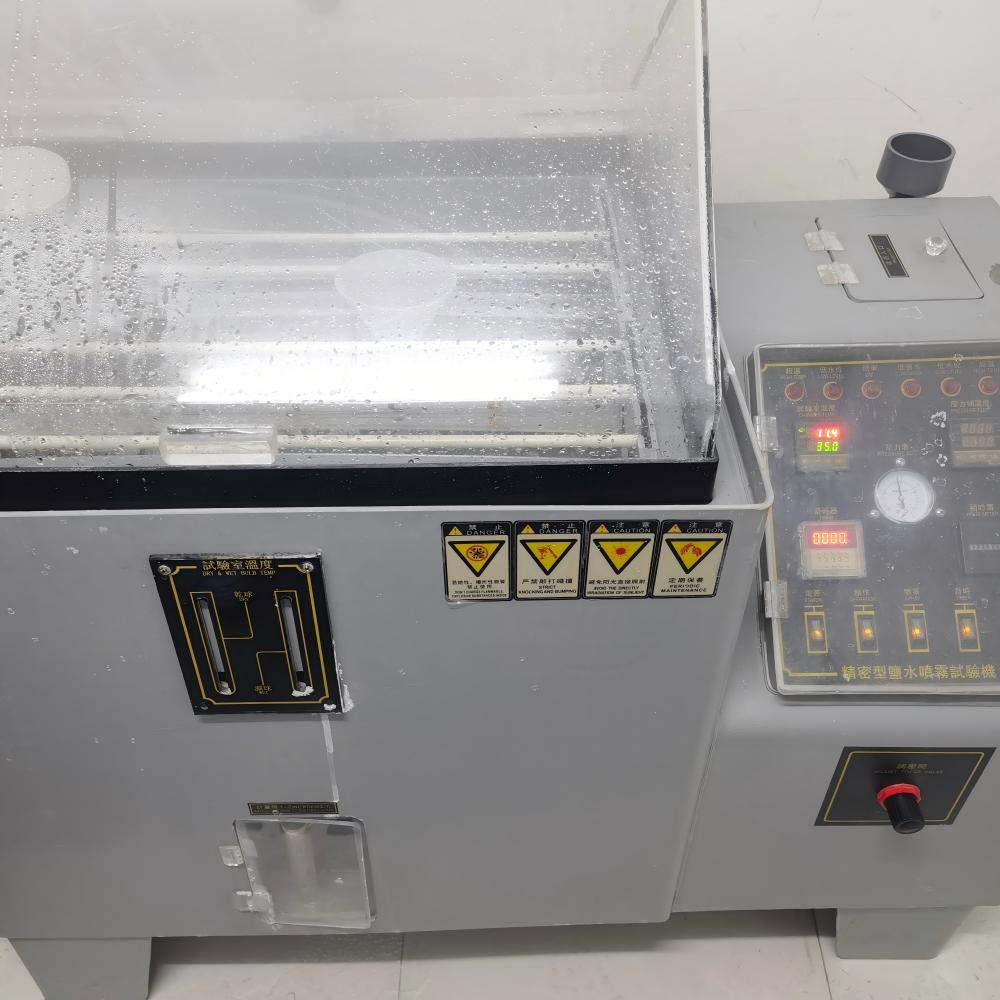
Durability, Testing, and Care Claims
Use durability language that reflects the actual coating system and test conditions. Chicolink does not describe plated finishes as permanently colorfast because appearance can be affected by preparation, layer structure, thickness, geometry, friction, perspiration, chemicals, storage, wear, and care. Artificial-perspiration, salt-spray, coating-thickness, color, or other checks can be planned according to the product and buyer requirement. Results apply only to the tested samples and stated conditions and should be supported by appropriate customer care guidance.
Define the Product Before Branding and Packaging
Before we add logos, cards, boxes, or retail data, we define the jewelry itself. These eight decisions turn a bridal concept into a physical product with a clear fit, construction, function, comfort target, weight, personalization area, set relationship, and variant plan. Material, pearl, zircon, and finish choices follow the dedicated technical sections instead of being repeated here.
Scale and Fit
Set the visible scale and the body-contact dimensions separately. A ring needs its internal diameter, circumference, profile, width, and height; an earring needs total height and post position; a necklace or bracelet needs a defined finished length and extension. We record actual millimeters alongside the named size system so styling language never replaces a measurable fit requirement.
Product Construction
Choose whether the piece is solid, hollow, tubular, layered, hinged, linked, cast, machined, stamped, or assembled from several parts. Construction influences weight, strength, polish access, plating access, tooling, cost, and repair. We compare routes against the intended look and quantity, then carry the selected construction into DFM review rather than treating the render as a complete engineering answer.
Wearing Comfort
Review the areas that touch, press, swing, or catch during wear. We consider ring-edge profile, earring weight and balance, post angle, necklace pendant movement, bracelet clearance, clasp reach, sharp transitions, and the back of stone settings. Comfort targets are documented early because late changes to a contact surface can affect tooling, weight, polish, plating, and visual proportions.
Functional Hardware
Select clasps, hinges, springs, screws, ear backs, connecting rings, extension chains, pendant bails, and other moving or load-bearing parts for the intended use. We define opening direction, movement, mating dimensions, replacement access, and connection method. Decorative appearance cannot override secure operation, but hardware should still support the visual language of the bridal collection.
Personalization Zone
Reserve a realistic area for names, dates, initials, coordinates, or symbols before the product is finalized. We review available surface, curvature, character count, font, line width, depth, orientation, safe margins, and readability after polishing or plating. The buyer supplies authorized artwork and accurate personalization data; we apply the released file and variant rules to production.
Weight Target
Set a target weight range instead of leaving weight as an accidental outcome of styling. Weight affects comfort, metal use, shipping, perceived value, casting behavior, and the feasibility of hollow or reduced structures. We compare the design target with the sample result and identify where weight can change without weakening the product or altering the intended bridal silhouette.
Set Relationships
Define what makes separate pieces belong to one set: motif, proportion, stone rhythm, pearl size, metal profile, engraving language, or finish direction. We also record which components sell individually and which only appear in a set. This prevents a matching collection from becoming mechanically identical and gives merchandising teams clear combinations for ceremony, gifting, and add-on sales.
Variant Architecture
Decide which physical variants are commercially necessary before opening samples for every possible combination. We map ring sizes, chain lengths, earring directions, personalization options, stone palettes, and set configurations, then identify shared and unique parts. A controlled variant architecture reduces sample duplication, purchasing fragmentation, and slow-moving inventory while preserving the choices that matter to the bridal customer.
Execute Approved Bridal Designs Through OEM
Choose OEM when your team owns the product direction and expects Chicolink to execute it faithfully. Our first task is not to repeat the RFQ fields; it is to decide whether the design is ready to enter engineering, sampling, and controlled production. We identify gaps, name the approval authority, and establish what evidence will release each stage. This keeps the customer’s design intent intact while giving our factory a practical manufacturing basis under one release path.
Design Authority and Readiness
Identify the files, reference samples, specifications, and instructions that define the intended product, together with the person authorized to resolve conflicts between them. We separate fixed design features from open engineering decisions and flag missing dimensions, unsupported materials, unclear functions, unrealistic tolerances, or details requiring DFM review. The result is a defined technical starting point rather than an RFQ that leaves production-critical decisions unresolved.
Approval Responsibility
Define who can approve structure, appearance, color, branding, packaging, quality requirements, and commercial changes. One documented approval hierarchy prevents comments from different departments from becoming conflicting factory instructions. When several stakeholders are involved, we record which decisions require final customer authority and which may be resolved through agreed technical rules. This keeps review cycles focused and ensures that accepted samples represent an authorized project decision.
Change and Version Control
Establish how revisions are requested, evaluated, costed, sampled, approved, and made effective. Each accepted update receives a controlled version, while superseded files and samples are withdrawn from purchasing, production, and inspection. When a change affects appearance, function, tooling, testing, price, timing, or packing, we reopen only the affected decisions. This preserves approved work while preventing outdated instructions from entering bulk production or repeat orders.
Release and OEM Execution
Define the evidence required to move from engineering to sampling, from approved samples to bulk production, and from finished goods to shipment. After each release gate is complete, Chicolink coordinates feasibility review, quotation, tooling, samples, customer sign-off, production planning, manufacturing, in-house plating where applicable, QC, packing, and shipment preparation. Sample and bulk records remain linked by version, specification, and approval evidence throughout the program.
Develop a Coherent Bridal Collection Through ODM
Choose ODM when the commercial program is defined but the product language is still open. Chicolink’s 6 jewelry designers and 3 jewelry engineers translate the brief into recognizable design rules, a balanced product range, and selected concepts ready for technical review. The project follows an agreed number of directions, revisions, approval points, and sample decisions. This keeps creative development focused while giving purchasing and product teams a realistic path toward sourcing and production.
Brand Codes and Design Rules
Extract a focused set of brand codes from moodboards, existing products, customer profiles, and visual references. These may include line shape, proportion, pearl scale, stone rhythm, negative space, surface treatment, or engraving language. We define how each code should appear across the collection and identify which features are essential to brand recognition. The result is a practical design system rather than a group of unrelated bridal jewelry concepts.
Collection Range Architecture
Assign a clear commercial role to each proposed product, including hero pieces, entry-price items, matching products, sets, and optional extensions. A range grid can show category, price position, visual relationship, technical difficulty, and development priority. Shared details connect the collection without repeating one motif on every SKU. This helps the range appear coordinated while preserving enough variation for merchandising, gifting, and different customer preferences.
Concept Review and Selection
Present selected directions with their design logic, intended customer value, manufacturing questions, and next approval decision. We distinguish collection-defining features from details that may change during engineering to improve comfort, strength, cost, sourcing, or production stability. Product teams can compare concepts against the commercial brief before investing in CAD, tooling, or samples. Unselected directions remain outside the active development scope unless added through a later approval.
ODM Deliverables and Boundaries
The agreed output may include a design-code sheet, range grid, selected concepts, drawings or CAD files, preliminary construction notes, and a grouped sampling plan. We document the included directions and revision rounds, customer approval responsibilities, and the point at which engineering or sample costs begin. Ownership, exclusivity, tooling, file use, sample fees, and production terms are confirmed separately so creative deliverables and manufacturing commitments remain commercially clear.
Engineer Bridal Pieces for Stable Bulk Production
A visually successful sample is not enough for a brand program. The design must remain manufacturable, measurable, polishable, plateable, inspectable, packable, and repeatable across the approved quantity. Chicolink performs design-for-manufacturability review before or during quotation and sampling. Reference values support internal screening only; final dimensions and process limits are approved according to the actual material, geometry, equipment, tooling, sample, quantity, finish, and buyer requirements, with unresolved risks returned for documented customer decisions before bulk release.
Wedding Band Engineering
Review the inner profile, sizing method, wall thickness, symmetry, comfort edges, engraving depth, stone seats, polishing allowance, and dimensions after plating. We identify which measurements control fit, appearance, and repeatability, and where polishing or coating may alter the finished result. Critical dimensions are linked to the approved drawing and sample so ring sizes, profiles, engraving, and stone placement can be inspected consistently during production and replenishment.
Earring Construction
Confirm post diameter, effective length, welding position, post angle, closure alignment, left-right orientation, single-piece weight, sharp points, and packing protection. We review how the earring sits when worn and whether the closure remains accessible and aligned after polishing and plating. Construction details that influence comfort, balance, strength, or pair matching are documented before sampling, reducing the risk of approved appearance hiding an unstable bulk-production structure.
Pearl Attachment
Review pearl variation, pin length, bonding area, metal-to-pearl contact, adhesive selection, curing conditions, pull direction, and exposure to pressure or abrasion. The attachment route must support both the intended visual effect and the handling expected during production, packing, transport, and use. We define the relevant pearl reference, bonding method, assembly condition, and inspection point so natural variation and attachment security are controlled without treating every pearl as visually identical.
Zircon Setting
Evaluate stone seats, prong or bezel dimensions, stone height, polishing access, plating access, cleaning, visible adhesive, stone movement, and inspection visibility. The setting architecture must protect the intended sparkle and profile while remaining practical for assembly and quality control. We identify dimensions and appearance points that require approval before tooling or sampling, helping prevent loose stones, hidden defects, blocked plating areas, or excessive rework during bulk production.
Chains, Pendants, and Sets
Review link closure, clasp compatibility, pendant orientation, extension length, anti-tangling needs, component weight, pull points, set pairing, and packing layout. Matching products must remain visually coordinated while also working as separate production and packing units. We define the correct component relationships, orientation rules, and set configuration before approval so assembly, inspection, retail presentation, and replenishment do not depend on informal operator judgment.
PVD Access and DFM Release
Identify drainage, cleaning, hanging, shielding, recessed areas, sharp edges, and contact points that may disrupt pretreatment, coating coverage, inspection, or color consistency. The final DFM record summarizes confirmed requirements, open decisions, proposed changes, critical dimensions, process route, tooling, quality points, and cost or timing effects. After approval, the drawing, sample, BOM, finish reference, and inspection criteria are version-controlled for purchasing, production, plating, QC, and packing.
Approve Samples Before Bridal Production Begins
Chicolink separates appearance, structure, color, function, packaging, and pre-production approvals so one sample is not expected to answer every project question. Each sample receives a purpose, corresponding file version, inspection status, open-issue list, and approval record. Existing-style samples commonly require 3–7 working days, while OEM/ODM custom samples commonly require 25–30 working days. Actual timing depends on engineering, tooling, materials, components, stones, plating, packaging, payment, revision rounds, and the speed of buyer feedback and approval at each documented stage.
| Sample Stage | Main Purpose | Buyer Approval | Production Control |
|---|---|---|---|
| Concept or reference review | Confirm visual direction, category, target scale, commercial route, and missing information | Selected direction and written comments | Not a bulk-production standard |
| Structure prototype | Review geometry, assembly, movement, comfort, fitting, stone location, and manufacturing feasibility | Dimensions, structure, size, function, and required revisions | Links engineering changes to the next drawing or sample version |
| Metal or white sample | Review metal form, weight, edges, welding, polishing access, setting, and assembly before final color | Product structure and surface preparation | Prevents plating from hiding unresolved structural problems |
| Plating color sample | Confirm approved color, surface preparation, brightness, texture, viewing condition, and layer requirement | Signed sample, approved plate, or written color reference | Controls the applicable production plating batch and inspection reference |
| Packaging sample | Confirm product fit, orientation, protection, artwork, labels, set layout, and unboxing sequence | Packaging proof, physical sample, artwork version, and packing instruction | Controls procurement, assembly, barcode placement, and pre-packing checks |
| Pre-production sample | Verify the complete approved product and packaging configuration before normal production | Final signed or written approval with closed issue list | Becomes the golden-sample or approved reference when explicitly authorized |
| Retained batch sample | Preserve evidence from the approved production batch for repeat orders or complaint review | Retention method and period when required | Supports batch comparison, traceability, and corrective-action review |
Match Manufacturing Processes to Bridal Structures
Chicolink selects the manufacturing route from the product geometry, material form, quantity, tolerances, surface requirement, stones, activity, target weight, cost, and delivery plan. A bridal ring, pearl earring, zircon pendant, and stamped bridesmaid charm should not be forced through the same route. Our Dongguan factory combines casting, CNC, stamping, laser cutting, welding, polishing, setting, assembly, plating, inspection, and packing resources under one project specification, approved sample system, and documented quality plan linked to the applicable buyer approvals and production records.
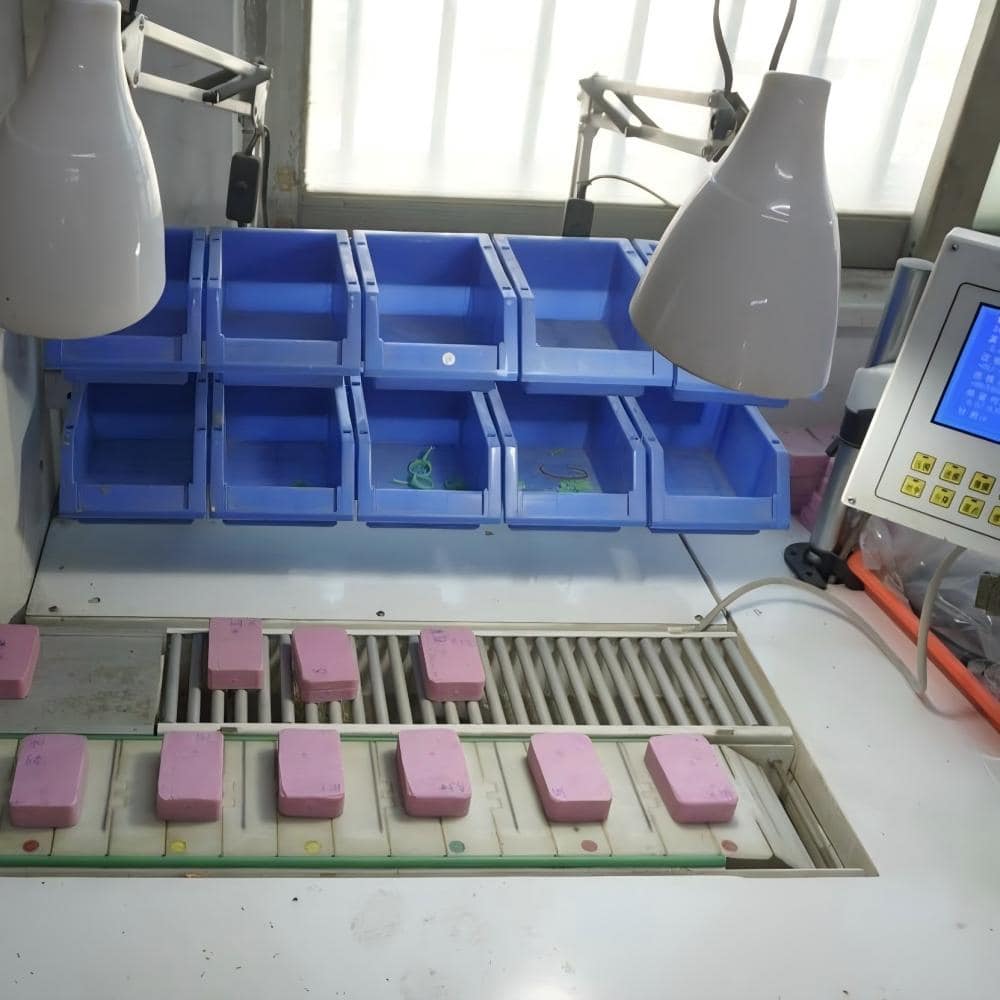
Casting and Molds
Casting can support complex three-dimensional rings, pendants, earrings, and decorative structures. Chicolink reviews wall thickness, shrinkage, feed points, porosity, deformation, weight, polishing allowance, stone seats, and tooling. The approved master, mold, wax or prototype, metal sample, and drawing must remain linked to the final product version before bulk casting begins and during documented later reorders or approved design revisions throughout production.
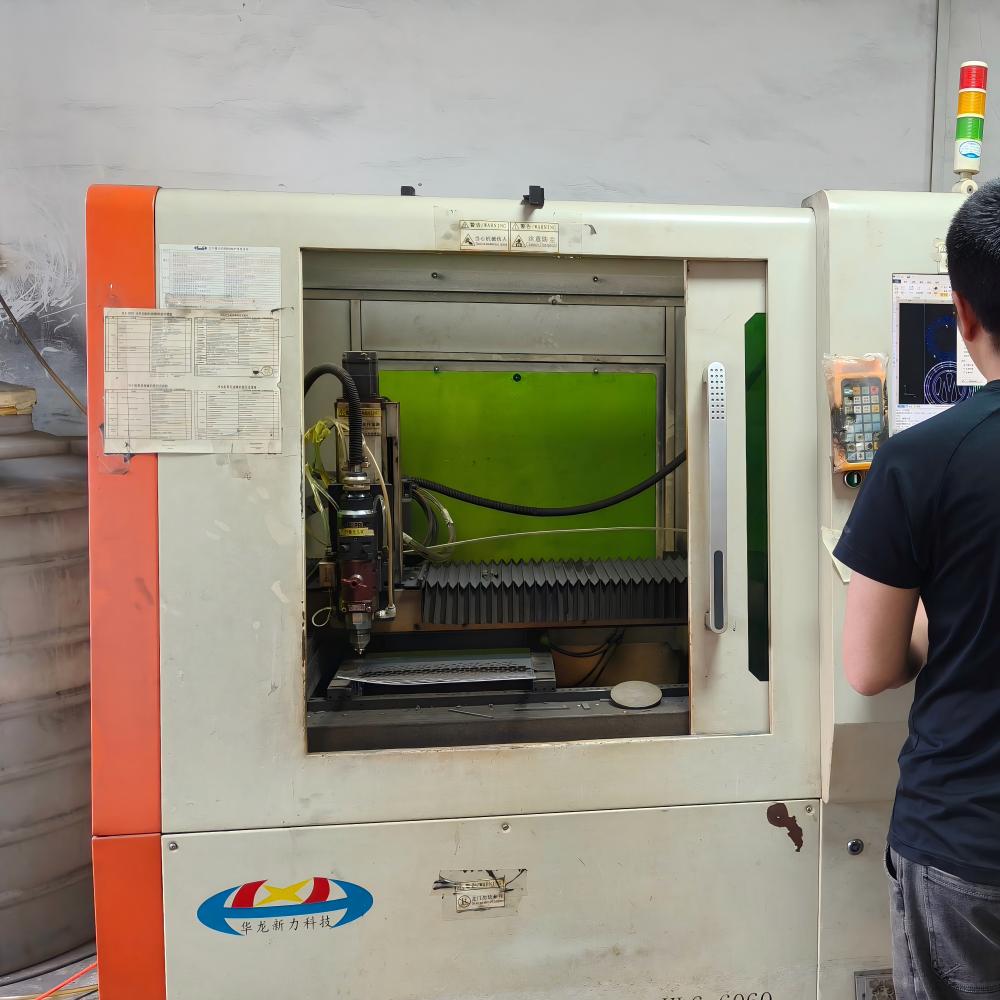
CNC and Turning
CNC and lathe routes support precise ring profiles, grooves, screw structures, round components, engraving areas, and controlled mating features. Internal corners, deep slots, thin sections, tool access, machining time, burr removal, polishing, and post-plating dimensions are reviewed. Chicolink has five CNC machines and three lathes among its major production equipment for applicable structures, tolerances, quantities, and finish requirements established for the approved project.
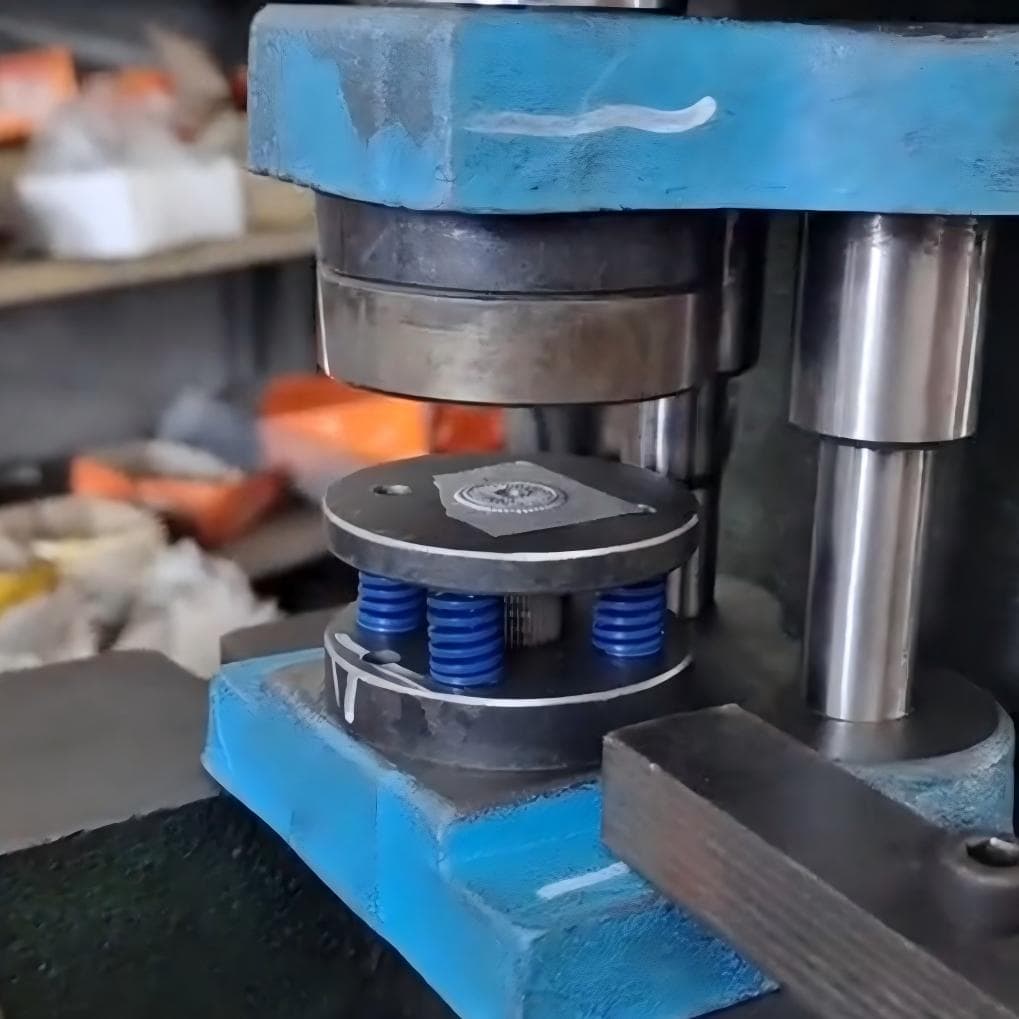
Stamping and Cutting
Stamping, hydraulic forming, laser cutting, or wire cutting can support flat, curved, lightweight, repeated, or personalized components. Chicolink reviews material thickness, hole and bridge dimensions, edge quality, deformation, bend radius, orientation, deburring, polishing loss, and fixture needs. Six stamping machines and three laser cutters support applicable production routes, subject to geometry, quantity, tolerances, surface finish, and inspection methods established for the approved project.
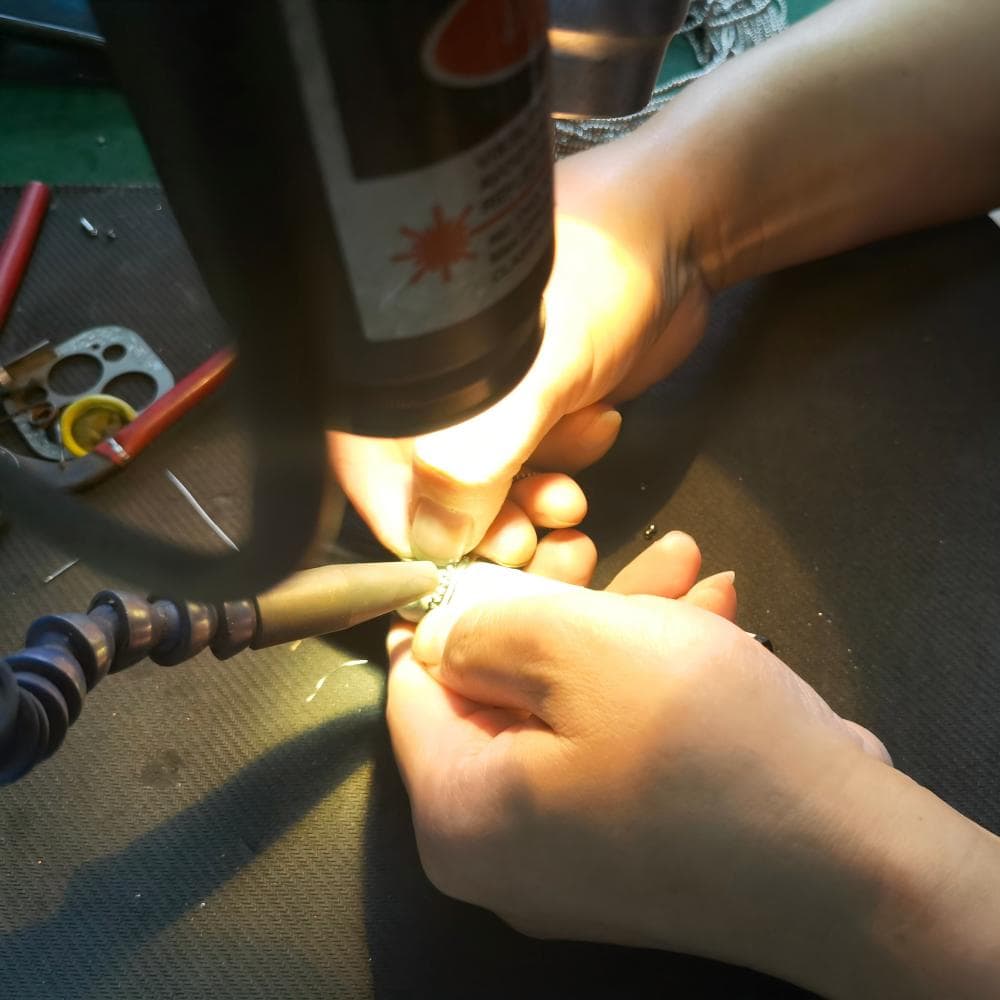
Welding and Assembly
Laser welding and controlled assembly connect posts, rings, chains, pins, hinges, clasps, tags, and set components. The specification identifies joint location, loading direction, appearance face, alignment, heat effect, polishing access, and functional check. Five laser welding machines support applicable work, while connection strength is verified according to the product risk, actual wearing direction, agreed acceptance criteria, and documented sampling plan.
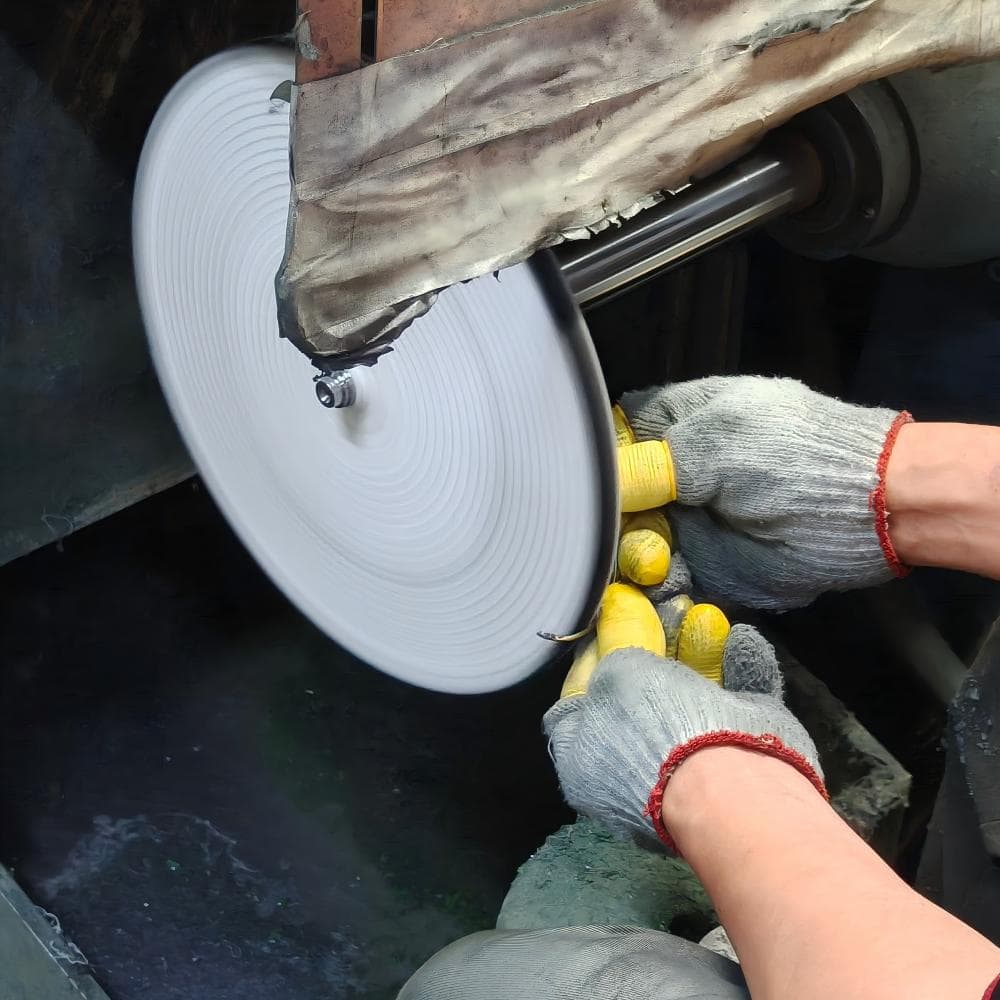
Polishing and Setting
Polishing establishes the surface required for mirror, high-polish, brushed, matte, textured, or plated finishes. Stone and pearl setting follows the approved map, seat, attachment, height, direction, and inspection method. Chicolink uses eight polishing machines together with manual operations where applicable. Sharp edges, over-polishing, visible glue, loose stones, and uneven surfaces are controlled before plating or final assembly and checked again where the process can alter them.
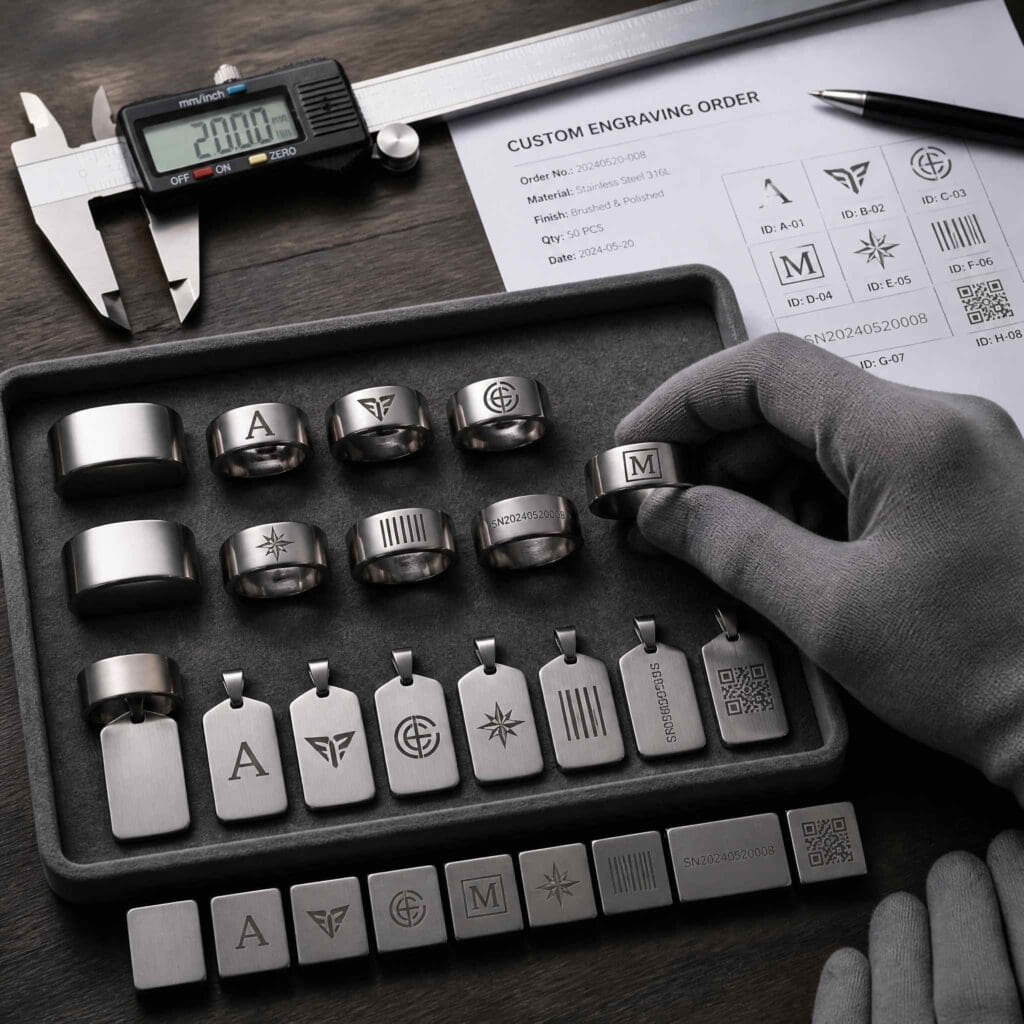
Logo and Personalization
Laser logo equipment can apply approved brand marks, dates, names, coordinates, symbols, or identifiers where the design and surface allow. Chicolink has three laser logo machines. Artwork, font, dimensions, depth, direction, safety margin, legibility, data file, variant rule, and inspection method are approved before personalized bulk work begins and remain consistently linked to the relevant SKU, order, and artwork record.
Control Plating Inside the Chicolink Production System
Chicolink operates an in-house plating workshop with six PVD vacuum coating machines. Applicable PVD/IP, water-plating, and other approved electroplating processes are coordinated with metal preparation, polishing, sample approval, production scheduling, inspection, exception handling, and batch traceability. This structure reduces the handoff gap between product manufacturing and surface finishing, but every bridal project still requires a defined substrate, geometry, color reference, layer requirement, test condition, acceptance standard, approved inspection reference, and responsible approval owner for every batch.
Product and Surface Readiness
Confirm the substrate, product structure, polishing level, texture, primary appearance faces, and areas that may be difficult to clean or coat. Stones, pearls, resin, welds, recesses, sharp edges, hanging points, and electrical contact points are reviewed before the plating route is released. These features can affect pretreatment, coating coverage, drainage, shielding, color appearance, and inspection access. The result is a plating-ready product specification rather than an assumption that one process can be applied equally to every bridal design.
Plating Route and Color Standard
Define the commercial color name together with an approved physical reference and inspection condition. We confirm whether the product uses PVD/IP, water plating, or another approved route, along with its base layers, top layer, target thickness, surface finish, and permitted appearance variation. The specification also identifies the primary viewing faces and areas where process marks may be acceptable. This gives production and inspection teams a measurable standard beyond broad terms such as gold, silver, or rose gold.
Batch Traceability
Record the plating batch, equipment, process route, input quantity, output quantity, inspection status, exceptions, rework, and final disposition. Batch records remain connected to the approved product version, color reference, and relevant production order. When an issue occurs, the team can identify which quantity, process stage, or approval decision may be affected rather than treating the entire project as one undifferentiated lot. This supports controlled release, corrective action, and clearer communication with purchasing and quality teams.
Appearance Inspection and Testing
Inspect the applicable coating thickness, coverage, color, brightness, staining, pinholes, burning, scratches, peeling, exposed substrate, and uneven appearance. Inspection conditions are defined according to the approved sample, surface type, product geometry, and buyer requirement. Artificial-perspiration, salt-spray, abrasion, color, thickness, or other tests may be added when relevant to the product and sales channel. Test results apply to the submitted samples and stated conditions and are recorded separately from visual production acceptance.
Assembly and Packing Protection
Protect plated surfaces after coating because assembly, handling, packing, and shipment can introduce contact marks that were not created during plating. High-polish products, textured surfaces, chains, stone-set pieces, pearls, matching sets, and projecting components may require different separation, wrapping, carding, or tray arrangements. We review contact points and movement within the package so the approved finish is maintained through later operations. Packing protection is therefore treated as part of finish control, not only as a logistics decision.
Repeat-Order Color Control
Retain the approved sample or color reference, surface-preparation requirement, layer specification, inspection condition, and packing method with the project record. Before a reorder is confirmed, we review the current substrate, components, process route, reference condition, and available standard for material changes. Industrial color reproduction is not described as mathematically identical under every light, surface, geometry, or batch condition. Visible and instrumental acceptance criteria are agreed according to the project and used to manage reasonable consistency across repeat orders.
Plan Capacity and Reorders Around Launch Dates
Chicolink combines more than 5,500 square meters of factory space, 400+ employees, 58 major machines, an in-house plating workshop, and monthly capacity above 200,000 pieces across applicable product and process combinations. Capacity is not presented as an unlimited promise. PMC reviews each bridal program against design complexity, material readiness, tooling, stone setting, color and size mix, plating batches, packaging versions, inspection, testing, current commitments, and the requested shipment date before confirming the production plan.
Production Planning Window
Existing-style bulk orders commonly require 20–30 working days, while OEM/ODM custom bulk orders commonly require 25–45 working days. Sampling is scheduled separately and is not counted again as bulk production time. The production clock begins only after the quotation conditions are complete, including approved samples, files, payment, materials, artwork, packaging, and commercial decisions. Final timing is confirmed against the actual product mix and factory schedule.
Capacity by Product Mix
A program with multiple ring sizes, small color splits, personalized data, complex stone settings, or several packaging versions uses capacity differently from one repeated SKU. We review tooling, component availability, assembly steps, plating batches, inspection workload, and packing changes together. Third-party testing, buyer inspection, rework, split shipments, and fixed retailer delivery windows require additional schedule allowance. This gives purchasing teams a realistic plan instead of a lead time based only on total quantity.
Launch-Date Coordination
Share launch dates, photography deadlines, retailer delivery windows, promotion calendars, and initial allocation plans before bulk confirmation. Chicolink can then coordinate material reservations, shared components, tooling, production routes, plating batches, packaging stock, inspection bookings, and shipment options around the same commercial calendar. Critical dates and dependencies are recorded so a delay in content samples, artwork, testing, or customer approval can be assessed before it affects the full launch.
Reorder Control
Repeat orders reference the approved specification, sample, finish, artwork, packaging file, and relevant batch records. Before confirmation, we review current materials, components, process availability, color references, packaging stock, and requested delivery timing. Quantity tolerance, partial shipment, excess or shortage treatment, leftover branded materials, and additional freight responsibility are confirmed in writing. This keeps replenishment aligned with the approved product while allowing necessary changes to be reviewed before production.
Control Bridal Quality From Material to Packing
Chicolink defines quality through approved specifications, samples, finish references, test plans, and packaging files, then checks the applicable requirements across IQC, IPQC, FQC, and packing. The exact tolerances, sample level, defect classification, test method, evidence, and acceptance criteria follow the buyer agreement. Customer or third-party inspection can be coordinated before shipment.
Incoming Material
IQC checks applicable stainless steel, stones, pearls, chains, clasps, posts, springs, screws, packaging, and supplied components against purchasing and project requirements. Material grade, form, dimensions, surface, color, quantity, supplier batch, and required documentation are reviewed before release. Nonconforming inputs are identified and separated for disposition.
First Production Piece
The first production output is compared with the approved drawing, sample, BOM, finish reference, artwork, and critical quality points. This confirmation can identify tooling, setup, dimension, assembly, engraving, setting, polishing, or plating problems before they affect the full batch. Approval status and required correction are recorded.
Dimensions and Fit
Chicolink checks the measurements that control fit and assembly: ring diameter and circumference, band profile, chain length, bracelet fit, post diameter and effective length, stone seats, holes, openings, hinges, clasps, and set components. Measuring points, tools, product condition, and tolerances follow the confirmed specification.
Surface and Edges
Inspection covers applicable polish, texture, scratches, pits, burrs, sharp edges, welding marks, deformation, symmetry, contamination, and other visible process defects. Main appearance faces, hidden areas, lighting, viewing distance, and approved reference should be defined for premium bridal finishes so appearance decisions do not rely on different individual expectations.
Stone and Pearl
Applicable checks cover material, count, color, position, orientation, height, alignment, prongs, bezels, glue, pearl pairing, pins, movement, and attachment. The method follows the structure rather than applying one tape test to every stone. Packing is also inspected because pressure and product-to-product contact can damage an otherwise acceptable setting.
Plating and Color
Chicolink checks approved PVD/IP or water-plated products for applicable thickness, coverage, color, brightness, exposed substrate, staining, pinholes, burning, scratches, peeling, and uneven appearance. The approved sample or color reference and agreed viewing or measurement condition provide the basis. Test results are linked to the relevant product and batch.
Function and Strength
Product-specific checks can cover clasp operation, jump rings, chain links, post welding, hinge closure, spring return, screw engagement, stone security, pearl pins, pendant orientation, and set matching. Test force, direction, speed, hold time, cycle count, sample quantity, and acceptance criteria are confirmed according to design and buyer risk.
Packing and Traceability
Before shipment, Chicolink verifies applicable SKU, size, color, logo, personalization, card, pouch, box, insert, barcode, label, set combination, quantity, carton mark, and packing sequence. Order, material, production, plating, inspection, packaging, and shipment records support investigation and repeat-order comparison when traceability is required.
Apply Product-Specific Bridal Test Requirements
Testing should follow the product structure, expected use, target market, buyer protocol, and failure risk. Chicolink's internal reference conditions apply only when the customer or order has not established a higher-priority requirement. Contract, quality agreement, approved drawing, approved sample, and buyer test standard take precedence. Equipment, calibration status, sample quantity, loading direction, environment, original data, result, and disposition are recorded. Samples used for destructive or appearance-changing tests are not shipped as acceptable goods, and failed batches require controlled review before any retest.
| Product Risk | Chicolink Internal Reference | Acceptance Direction | Project Condition |
|---|---|---|---|
| Small decorative part or ear-post connection | Five pieces; 30 N; hold 10 seconds after reaching load | No breakage, detachment, open weld, open ring, or obvious permanent deformation | Final force, direction, fixture, speed, sample level, and post-test inspection follow the agreed standard |
| Pendant ring, connecting ring, or clasp | Five pieces; 40 N; hold 10 seconds | Connection remains closed and functional without prohibited deformation | Match the loading direction to the actual wearing condition |
| Necklace main structure | Five pieces; 30 N, approximately 3 kgf; hold 10 seconds | No breakage, detachment, open weld, open link, or defined functional failure | Special chains and buyer protocols may require another condition |
| Bracelet main structure | Five pieces; 60 N, approximately 6 kgf; hold 10 seconds | No breakage, detachment, open weld, open link, or defined functional failure | Rigid, hinged, magnetic, or unusual structures require separate evaluation |
| Pearl or large glued component | Defined pull, push, or torque method according to structure | No detachment, prohibited movement, adhesive failure, or structural damage | Define fixture, load or torque, speed, direction, hold time, and sample size |
| Prong-set zircon | Movement, probe, or defined-load inspection | No loose stone, damaged prong, prohibited movement, misalignment, or unacceptable stone height | Stone map, prong condition, and approved sample control the result |
| Product drop | Five pieces; one meter; front, back, and side, three drops total | No breakage, stone loss, open weld, detached part, severe deformation, sharp edge, or functional failure | Default reference is unpackaged product unless a packaging-drop protocol is requested |
| Artificial perspiration | 40 +/- 2 C; 24 hours; pH 4.7 +/- 0.2 | No defined blackening, corrosion, blistering, peeling, exposed substrate, or abnormal function | Formula, preparation, contact method, cleaning, color measurement, and acceptance criteria must be agreed |
| Neutral salt spray | Bare stainless steel: 24 hours; plated/PVD: 48 hours; high-corrosion program: 72 hours or buyer requirement | No defined red rust, pitting, blistering, peeling, exposed substrate, obvious discoloration, or functional failure | Standard, solution, pH, temperature, angle, cleaning, inspection interval, and evaluation follow the plan |
Plan Compliance for Europe and North America
Compliance depends on the destination market, product, contact area, material, solder, stone, component, coating, claim, retailer, age group, and standard version. Chicolink can review project inputs, prepare samples, coordinate internal checks, support third-party testing or inspection, and provide applicable existing documents for buyer review. No certificate or report should be treated as universal coverage for every SKU, material, color, layer structure, component, production batch, or country. Confirm the required scope, laboratory, fee, samples, timing, and report addressee before production scheduling.
| Requirement | Chicolink Support | Scope to Confirm | Important Boundary |
|---|---|---|---|
| Nickel release | Support for applicable EN 1811 and EN 12472-related testing through an agreed laboratory | Product, skin-contact areas, material, color, wear simulation, standard version, samples, limits, and report name | Do not replace a test result with an absolute “nickel-free” or “hypoallergenic” claim |
| Lead and cadmium | Component review and third-party testing based on buyer requirements | Main body, solder, stones, coatings, components, method, limit, sample plan, and destination | A result applies to the tested configuration and conditions |
| REACH | Review available relevant documents and arrange product-specific support when required | Applicable substances, article, market, SKU, color, components, standard or buyer protocol, and report validity | Use “testing/report support based on product and target-market requirements,” not blanket compliance |
| California Proposition 65 | Evaluate testing or documentation support against the buyer's California program | Exposure assessment, product, components, warnings, test method, limits, and legal review | Chicolink supports manufacturing information and does not provide legal advice |
| RoHS | Review applicability for channels or products that specifically request it | Product scope, applicable substances, standard version, components, and report | RoHS is not presented as a universal requirement for ordinary non-electronic jewelry |
| CE | Review only when the actual product is governed by applicable CE legislation | Product function, applicable legislation, conformity route, technical file, and authorized claims | Ordinary non-electronic stainless steel jewelry is not automatically CE-marked |
| Third-party testing | Coordinate SGS, HKPC, Intertek, BV, buyer-appointed, or another approved organization | Laboratory, quotation, samples, method, timing, report addressee, and retest policy | Booking and report scope must be agreed before shipment deadlines |
| Third-party inspection | Support factory access and pre-shipment inspection | Protocol, AQL, sample level, defects, packing, documents, booking, fees, and reinspection | Buyer standard and agreed inspection plan take precedence |
Turn Products Into a Branded Bridal Collection
Once the physical products are defined, we turn them into a brand system that stores, warehouses, customers, and reorder teams can recognize and manage. Product marks, cards, boxes, inserts, consumer information, labels, and set assembly become separate deliverables with their own artwork, MOQ, fee, sample, and lead time. A packaging BOM links each component to the correct product, market, channel, order, and packing instruction before purchasing begins. This separates brand execution from product engineering and makes future packaging changes easier to manage.
Product Logo System
We build a practical logo system instead of forcing one marking method onto every product. Laser, etching, stamping, embossing, or a logo tag can be assigned according to surface, scale, curvature, visibility, and cost. The artwork record includes position, orientation, dimensions, depth, contrast, safe margin, minimum line, and negative space, allowing rings, earrings, necklaces, and set components to carry the brand coherently.
Bridal Jewelry Cards
Jewelry cards should fit the product and the way it will be photographed, displayed, stored, and removed by the customer. We develop card formats for earrings, necklaces, bracelets, rings, bridesmaid gifts, or sets, then define board, thickness, color, print, foil, holes, cuts, text, and barcode area. One physical proof and artwork version become the reference for production and later market variants.
Gift Boxes and Inserts
We design the box around the product combination and opening moment: a single piece, couple-ring pair, necklace-and-earring set, or full wedding set. Insert layout must hold the jewelry without stone pressure, pearl abrasion, exposed posts, or tangled chains. Material, color, logo process, outer sleeve, carton volume, and assembly time are costed together. Custom boxes and inserts can carry separate tooling, MOQ, and stock obligations.
Care and Story Content
Care guidance, material information, a collection story, QR code, gift message, or collection name can live on a card, insert, label, or digital destination. Your team owns the legal, claim, language, and marketing decisions; we apply the released content to the correct packing version. Separate languages or markets are logged independently when their text, claims, symbols, or regulatory information differ.
SKU and Barcode Control
We connect every physical variant to the correct identity data before labels are printed. The record can include product code, size, color, personalization, set, packaging version, barcode, UPC, EAN, FNSKU, or buyer code. Label dimensions, placement, scan requirement, inner-box quantity, carton sorting, and mixed-SKU rules then become part of the packing instruction, reducing receiving and replenishment errors across every shipment.
Set Assembly Control
A bridal set is managed as both several products and one sellable unit. We define the component count, pairing, size, color, direction, card, insert, care item, identity data, presentation order, and carton quantity. A set photograph and packing sequence give assembly teams a visual reference, while the component records preserve traceability when one item needs correction, replacement, or future replenishment.
Review Representative Bridal Manufacturing Scenarios
We use the following scenarios to show how four common bridal programs can be scoped. They are planning examples, not named-customer case studies or claims about sales performance. After we receive your files, we replace the representative quantities and assumptions with project-specific materials, costs, timing, tests, inspection, packaging, ownership, and deliverables. Select the closest scenario to identify the first decisions; it does not limit the final manufacturing route. This format gives internal teams a shared starting point while keeping unverified commercial outcomes off the page.
Custom Wedding Bands
Use Scenario: A bridal brand needs coordinated men's and women's stainless steel wedding bands in multiple sizes.
Key Challenge: Control profile, comfort, engraving, size conversion, finish, and paired packaging across variants.
chicolink Solution: Review ring drawings, material, internal dimensions, PVD direction, engraving artwork, size allocation, sample plan, golden sample, and couple-box layout before production.
Result: A defined OEM route ready for engineering quotation and sample approval.
Project Data: Representative project scope: 4 custom ring styles x 500 pieces/style = 2,000 pieces; size and color allocation subject to review.
Pearl Bridesmaid Gifts
Use Scenario: A DTC brand plans personalized pearl earrings and necklaces for bridesmaid gifting.
Key Challenge: Control pearl appearance, name or initial data, card versions, gift presentation, and delivery cut-off.
chicolink Solution: Define pearl type and range, attachment, personalization file, SKU rules, artwork proof, protective packing, inspection points, and replacement records.
Result: A structured private-label route ready for quotation and personalization-data testing.
Project Data: Representative project scope: 3 product structures, 2 approved finish directions, and quantities confirmed after personalization and packaging review.
Retail Bridal Sets
Use Scenario: A chain retailer needs coordinated zircon earrings, necklaces, bracelets, and sets for a seasonal wedding program.
Key Challenge: Maintain stone alignment, finish consistency, set completeness, barcodes, carton sorting, and third-party inspection readiness.
chicolink Solution: Build a controlled assortment, stone map, finish reference, packaging BOM, SKU file, QC plan, AQL protocol, inspection booking, and shipment milestone schedule.
Result: A sourcing framework ready for buyer manual and sample-stage approval.
Project Data: Representative project scope: 10 SKUs x 500 pieces/SKU = 5,000 pieces; actual variants and order allocation subject to confirmation.
ODM Bridal Collection
Use Scenario: An established fashion brand has a bridal moodboard but no production-ready jewelry files.
Key Challenge: Convert the visual direction into a coherent, manufacturable, cost-controlled product series.
chicolink Solution: Define customer and channel, propose product architecture, review shared motifs, materials, PVD, pearls or zircon, DFM, sample groups, private labeling, testing, and launch schedule.
Result: A defined ODM development plan with approval stages and commercial boundaries.
Project Data: Representative project scope: 6 proposed styles with quantities, tooling, samples, and exclusivity confirmed after concept and engineering review.
Prepare a Complete Bridal Jewelry RFQ
Use this RFQ as the handoff between your brand, design, product, sourcing, quality, packaging, logistics, and compliance teams and ours. It is not another product-specification module. Its purpose is to place decisions, open questions, files, owners, and deadlines in one submission before quotation. We return a gap list and proposed sourcing route, then reuse the completed record to organize commercial review, sample release, production planning, and future reorder discussions. It replaces repeated email requests with a shared, reviewable manufacturing brief.
| Information Group | Details to Provide | How We Use It |
|---|---|---|
| Commercial program | Customer, channel, retail position, assortment, target cost, initial quantity, forecast, launch date, and destination | Determines the development depth, capacity review, packaging route, and quotation scope |
| Product files | Sketch, CAD, 3D file, reference image, physical-sample details, moodboard, size chart, or buyer manual | Establishes design intent and identifies missing dimensions, structures, and approval references |
| Product specification | Category, dimensions, size system, weight target, tolerance, chain, clasp, post, hinge, activity, and set content | Supports feasibility, process selection, measurement, inspection, and repeat-order control |
| Materials and components | 304 or 316L preference, material form, stone, pearl, solder, spring, screw, clasp, and supplied components | Defines BOM, cost, process compatibility, compliance scope, and incoming inspection |
| Finish and color | PVD/IP or water plating, color reference, layer requirement, polish, texture, appearance faces, and durability expectations | Establishes sample, plating, color approval, inspection, test, and packing requirements |
| Logo and personalization | Logo file, font, names, dates, symbols, method, dimensions, position, data format, and authorization | Controls artwork review, legibility, variant data, production, and inspection |
| Packaging and identity | Card, pouch, box, insert, care card, story card, barcode, SKU label, set label, and carton mark | Defines component MOQ, artwork, sample work, assembly, packing verification, and channel readiness |
| Quality and compliance | Target market, restricted substances, tests, standards, tolerances, AQL, third-party inspection, and report requirements | Allows Chicolink to plan samples, fees, laboratory timing, acceptance criteria, and documentation scope |
| Delivery and terms | Required date, delivery country and postal code, trade term, shipping method, carton requirement, and insurance need | Supports production planning, packing data, logistics review, and commercial quotation |
| Approval contacts | Design, product, sourcing, quality, packaging, finance, and final-approval owners | Prevents conflicting instructions and records who can approve each controlled item |
Bridal Jewelry Manufacturing FAQ
Use these answers to settle the commercial, technical, quality, and compliance questions that often hold up a stainless steel bridal jewelry project. Final conditions still depend on your design, material, finish, stones, quantities, sizes, packaging, market, testing, inspection, and delivery requirements. Send the actual files and we will respond with the conditions that apply to your manufacturing route.
What is your bridal jewelry MOQ?
Existing or standard styles commonly start at 120 pieces per style. OEM/ODM projects commonly start at 500 pieces per style. MOQ can also be calculated by color, size, plating batch, stone, packaging version, mold, or production route. Mixed sizes or colors are not assumed and must be confirmed in the quotation.
How long does bridal sampling take?
Existing-style samples commonly require 3–7 working days. OEM/ODM custom samples commonly require 25–30 working days. Timing depends on file completeness, engineering, tooling, materials, pearls or stones, plating, packaging, payment, and revision rounds. Chicolink confirms the sample purpose and schedule before work begins.
Should we choose 304 or 316L?
The decision depends on product structure, use, contact areas, processing route, finish, market position, cost, MOQ, and buyer requirements. Chicolink can evaluate both grades for applicable products. Material grade does not replace component-level specifications or product-specific compliance testing.
Can you manufacture custom wedding bands?
Yes. Chicolink can evaluate plain, polished, brushed, grooved, engraved, stone-set, inlaid, and other manufacturable stainless steel band designs. Send the size system, internal dimensions, profile, width, thickness, material, finish, artwork, size allocation, quantity, packaging, and target market for engineering review.
Can you match our bridal PVD color?
Chicolink can develop and control a color against an approved physical reference or confirmed sample. The substrate, preparation, texture, layer structure, geometry, viewing condition, acceptable variation, test plan, and packaging must be defined. We do not promise mathematically identical reproduction under every material, process, and lighting condition.
How do you control pearls and zircon?
We record type, shape, size, color, position, quantity, acceptable appearance range, setting or attachment, and inspection method. Natural pearl variation is agreed separately. Zircon products may use movement, prong, probe, tape, push, or pull checks according to the actual structure. Packing protection is also verified.
Can you provide private label packaging?
Yes. Options include product logos, jewelry cards, velvet pouches, gift boxes, inserts, care cards, story cards, barcodes, SKU labels, set labels, and channel-specific packing. Each component can have a separate MOQ, fee, sample process, artwork approval, lead time, and remaining-stock condition.
Can you support European and US compliance?
Chicolink can support project-specific testing, document review, sample preparation, and third-party coordination for requirements such as nickel release, lead, cadmium, REACH, California Proposition 65, and buyer-defined protocols. Scope, standard, laboratory, fee, samples, timing, limits, and report validity must be confirmed for the actual product.
How long does bulk production take?
Existing-style bulk orders commonly require 20–30 working days. OEM/ODM custom bulk orders commonly require 25–45 working days. Timing depends on approval, quantity, style mix, sizes, materials, tooling, stones, plating, packaging, tests, inspection, payment, and current capacity. The applicable quotation establishes the project schedule.
Can buyers arrange third-party inspection?
Yes. Chicolink supports factory audits and agreed pre-shipment inspection by the buyer or an approved third party. Confirm the protocol, AQL, sample level, defect definitions, test requirements, packing checks, documents, booking, fees, access, reporting, rework, and reinspection conditions before the planned shipment date.